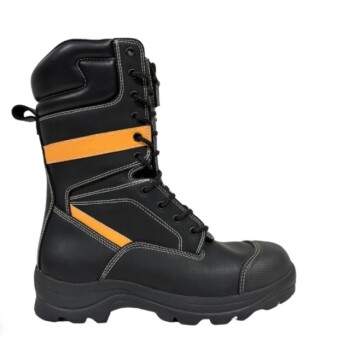
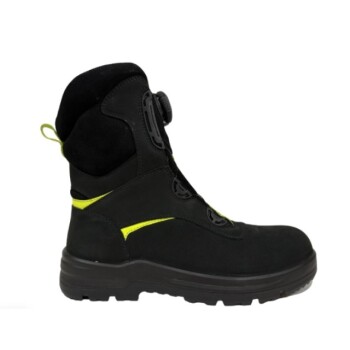
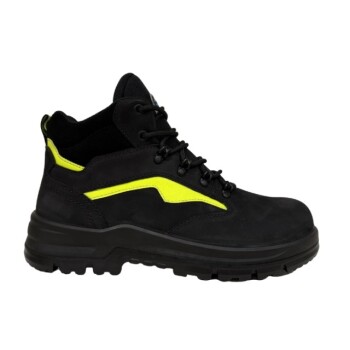
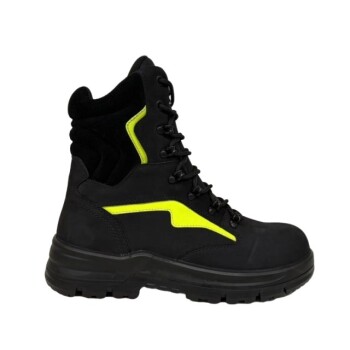
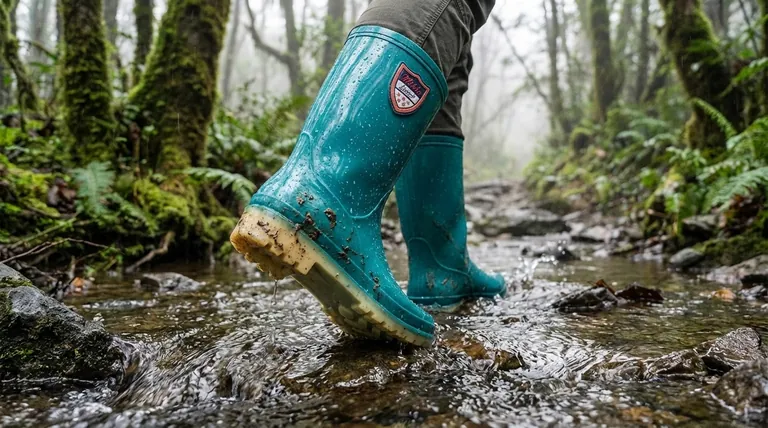
The primary benefit of waterproof hiking boots is their ability to create a reliable barrier against external moisture. This keeps your feet dry through rain, mud, snow, and shallow stream crossings, which is fundamental to maintaining comfort, preventing blisters, and ensuring foot health on the trail.
While waterproof boots are unmatched at blocking external water, their core trade-off is reduced breathability. The correct choice for you is not simply about avoiding rain, but about matching the boot's moisture management capabilities to your specific hiking environment and intensity.
The Core Function: A Barrier Against Moisture
The most obvious advantage of a waterproof boot is its capacity to keep water out. This single function has several critical downstream effects for any hiker.
Preventing Water Intrusion
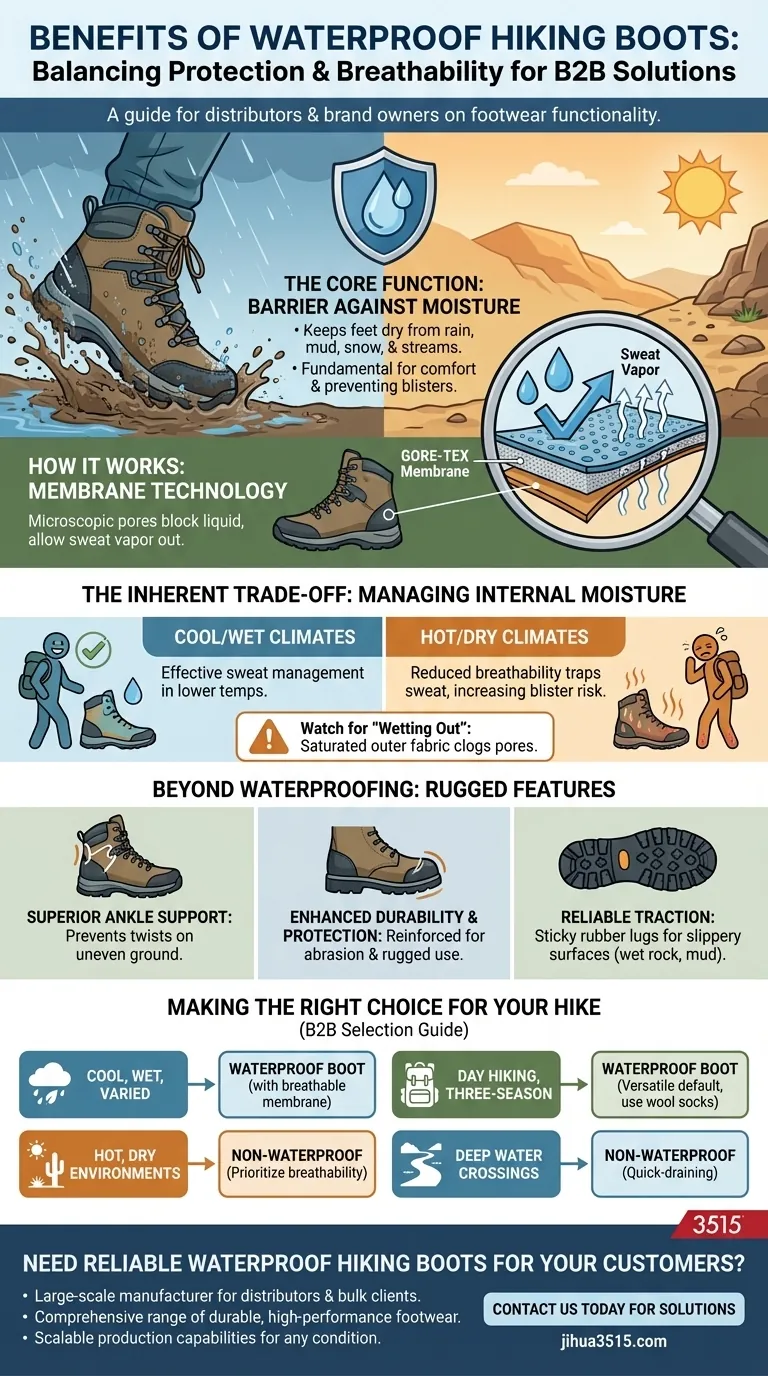
Modern waterproof boots typically use a membrane, like Gore-Tex, built into the boot's lining. This membrane contains billions of microscopic pores that are small enough to block liquid water molecules but large enough to allow water vapor (sweat) to escape.
This technology ensures your feet stay dry when navigating wet trails, unexpected downpours, or crossing small creeks.
Enhancing Comfort and Foot Health
Wet feet are a hiker's worst enemy. Moisture softens the skin, making it extremely susceptible to friction and leading to painful blisters that can end a trip prematurely.
By keeping your feet dry, waterproof boots dramatically reduce this risk. They also help maintain a stable and comfortable internal temperature, as wet feet lose heat much faster than dry ones.
The Inherent Trade-Off: Managing Internal Moisture
No technology is without its compromises. The very barrier that blocks external water also impacts how well the boot handles moisture generated from within—namely, sweat.
The Breathability Challenge
Even the most advanced "waterproof-breathable" membranes have limits. While they are designed to vent water vapor, the process is far slower and less efficient than the ventilation offered by non-waterproof mesh footwear.
On a hot day or during a period of intense exertion, you can produce sweat faster than the membrane can transport it out of the boot.
When Waterproofing Works Against You
In hot, arid climates, external water is rarely the primary concern. Instead, the main challenge is managing internal sweat.
In these conditions, a waterproof boot can become a liability, trapping moisture against your skin. Ironically, this can lead to the same blister-causing environment you were trying to avoid.
The Impact of "Wetting Out"
A membrane's breathability also depends on the boot's outer fabric. If this external layer becomes saturated with water (a condition known as "wetting out"), it clogs the membrane's pores from the outside, severely impairing its ability to vent sweat.
Beyond Waterproofing: Features of Rugged Footwear
Waterproof boots are often designed for more demanding conditions, and as a result, they typically incorporate other features essential for rugged terrain. It's important to recognize these are associated benefits, not a direct result of the waterproofing itself.
Superior Ankle Support
Many waterproof models are mid- or high-cut boots. This design provides crucial ankle support, which helps prevent twists and sprains when navigating uneven ground or carrying a heavy pack.
Enhanced Durability and Protection
Built for challenging environments, these boots often feature reinforced toe caps and heel counters. Their uppers and stable soles are constructed from durable materials designed to withstand abrasion from rocks, roots, and rugged use for over 1,000 miles.
Reliable Traction on Slippery Surfaces
The outsoles on waterproof hiking boots are typically made of sticky rubber compounds with deep, aggressive lugs. This tread pattern is engineered to provide confident traction on slippery surfaces like wet rock, mud, and snow.
Making the Right Choice for Your Hike
Selecting the right boot requires you to honestly assess where and how you hike.
- If your primary focus is hiking in cool, wet climates or through spring and fall: A waterproof boot with a quality breathable membrane is almost certainly your best choice.
- If your primary focus is hiking in hot, dry environments: Prioritize maximum breathability with non-waterproof footwear to manage sweat effectively.
- If your primary focus is day hiking in varied, three-season conditions: A waterproof boot is a versatile default, but pay close attention to sock choice (merino wool) to help wick moisture from your skin.
- If your primary focus is trekking with deep, unavoidable water crossings: Consider non-waterproof, quick-draining boots, as any boot will get swamped and a non-waterproof one will dry out much faster.
Choosing the right footwear is about understanding this critical balance between external protection and internal moisture management.
Summary Table:
| Benefit | Key Features | Ideal For |
|---|---|---|
| Moisture Protection | Gore-Tex membrane, water barrier | Rain, snow, mud, stream crossings |
| Foot Health & Comfort | Reduces blister risk, maintains temperature | Long hikes, wet conditions |
| Durability & Support | Ankle support, reinforced toe/heel | Rugged terrain, heavy packs |
| Superior Traction | Aggressive lug soles, sticky rubber | Slippery surfaces like wet rock or mud |
Need reliable waterproof hiking boots for your customers?
As a large-scale manufacturer, 3515 produces a comprehensive range of durable, high-performance footwear for distributors, brand owners, and bulk clients. Our production capabilities encompass all types of waterproof boots designed to keep feet dry and comfortable in any condition.
Contact us today to discuss your specific needs and discover how we can support your business with quality, scalable footwear solutions.
Visual Guide
Related Products
- High Performance Fire-Retardant Waterproof Safety Boots
- Premium Flame-Retardant Waterproof Safety Boots and Shoes
- Wholesale Waterproof Tactical Boots Custom Suede & High-Traction Soles
- Premium High-Cut Waterproof Safety Boots Manufacturing & Wholesale Solutions
- Durable Waterproof Rain Boots | Custom Manufacturer for Wholesale & Brands
People Also Ask
- Why are waterproof safety boots recommended for certain work environments? Essential Protection for Wet & Hazardous Jobs
- What roles do 3D vision systems and industrial robots play in the manufacturing of fire safety boots? Smart Automation
- What is a drawback of waterproof boots? The Hidden Cost of Trapped Sweat and Heat
- What is the difference between waterproof, water-resistant, and water-repellent boots? Choose the Right Protection for Your Feet
- How does boot construction affect waterproofing? The Science Behind Truly Dry Feet