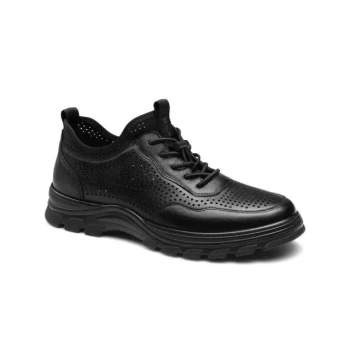
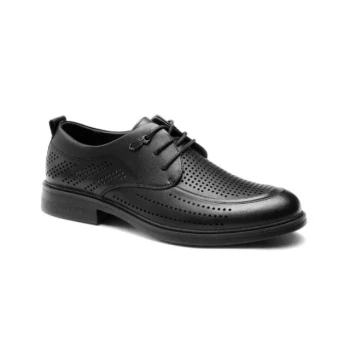
The primary benefit of combining quality leather uppers with Goodyear or Norwegian construction is longevity through repairability. This pairing creates a shoe that is not disposable but is instead designed to be rebuilt multiple times, allowing a single pair to last for years, or even decades, making the initial investment worthwhile.
The core principle is simple: the durable leather upper is built to outlast the sole. Welted construction methods like Goodyear or Norwegian are the mechanism that allows you to easily replace the sole, effectively restoring the shoe to a near-new condition without replacing the entire product.
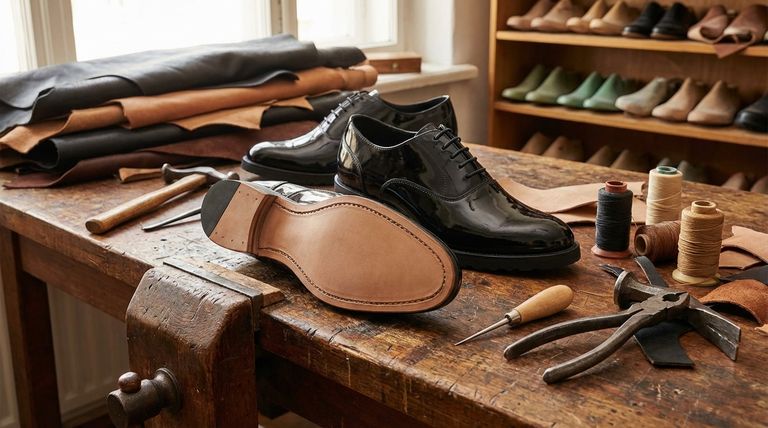
Why the Upper Leather is the Foundation
The quality of the upper is paramount because it is the part of the shoe intended to last the longest. It is the chassis upon which everything else is built.
Durability and Aging Gracefully
High-quality, full-grain leather is selected for its strength and resilience. Unlike cheaper, corrected-grain leathers, it doesn't just wear out; it wears in.
Over time, this leather develops a unique patina—a subtle sheen and character that cannot be replicated. The shoe is designed to look better with age, assuming it is cared for.
The Ability to Refurbish
Scuffs, scratches, and dullness are not a death sentence for quality leather. It can be professionally cleaned, conditioned, and polished multiple times.
This ability to restore the finish of the upper is critical. It ensures that when you attach a new sole, the rest of the shoe still looks excellent.
The Role of Welted Construction
While the upper provides the lasting structure, the construction method determines whether the shoe can be reborn. This is where Goodyear and Norwegian welts excel.
The Power of Resoling
Both Goodyear and Norwegian construction involve stitching the upper to the sole via a strip of leather called a welt. This creates a durable, water-resistant bond.
Crucially, this means the sole is not permanently glued to the upper. When the sole wears down, a cobbler can cut the welt stitches, remove the old sole, and stitch a new one on without ever compromising the shoe's main leather structure.
The Contrast with Glued Soles
The vast majority of mass-market shoes use cemented, or glued, construction. The sole is attached directly to the upper with a strong adhesive.
Once the sole on a glued shoe wears through, it is typically unrepairable and the entire shoe must be discarded. This makes them a short-term, disposable product.
Understanding the Trade-offs
Investing in high-quality, welted footwear is a strategic decision, not an automatic one. It comes with clear considerations.
Higher Initial Cost
The materials and labor-intensive stitching process make welted shoes significantly more expensive upfront than their glued counterparts. You are paying for future repairability.
The Break-in Period
The multi-layered construction of a Goodyear-welted shoe often results in a stiffer feel out of the box. They typically require a break-in period to mold to your foot for optimal comfort.
The Requirement of Care
The entire system fails if the leather uppers are neglected. Without regular cleaning and conditioning, the leather will dry out, crack, and fail long before you get the chance to resole the shoe, negating the primary benefit.
Making the Right Investment for Your Needs
Choosing the right shoe depends on balancing long-term value against immediate needs.
- If your primary focus is long-term value and sustainability: A Goodyear or Norwegian welted shoe is the clear winner, as its ability to be resoled makes it the most economical and environmentally sound choice over many years.
- If your primary focus is maximum durability and water resistance: Norwegian construction is often considered the most robust and water-resistant option, making it ideal for harsher conditions.
- If your primary focus is a lower initial cost for infrequent use: A high-quality glued or Blake-stitched shoe can serve its purpose, but you must accept its fundamentally limited lifespan.
Ultimately, choosing a shoe with a quality leather upper and welted construction is an investment in a product designed to endure, not to be replaced.
Summary Table:
| Feature | Benefit |
|---|---|
| Quality Leather Upper | Develops a unique patina, can be refurbished, and forms the lasting structure of the shoe. |
| Goodyear/Norwegian Welt | Allows for multiple resoles, separating the shoe from disposable, glued-sole alternatives. |
| Combined Effect | Creates a long-term, sustainable investment where the initial cost is justified by decades of use. |
Ready to offer your customers footwear built to last?
As a large-scale manufacturer, 3515 produces a comprehensive range of durable, welted footwear for distributors, brand owners, and bulk clients. Our production capabilities encompass all types of shoes and boots, including those featuring the long-lasting benefits of quality leather and Goodyear or Norwegian construction.
Contact us today to discuss how we can help you build a sustainable and profitable footwear line.
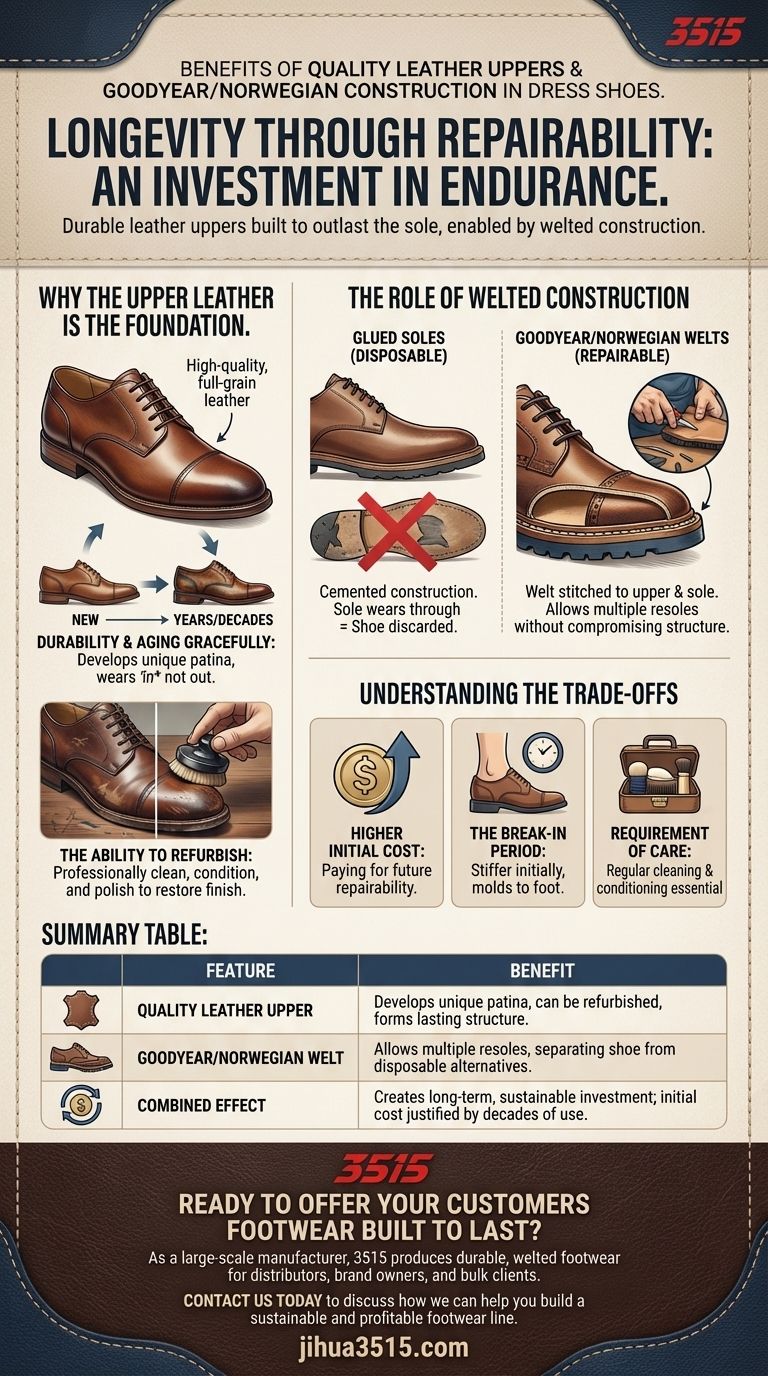
Visual Guide
Related Products
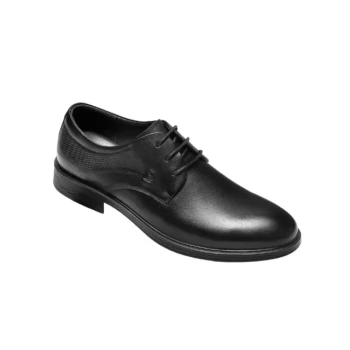
- Classic Leather Derby Dress Shoes Wholesale & Custom Manufacturing
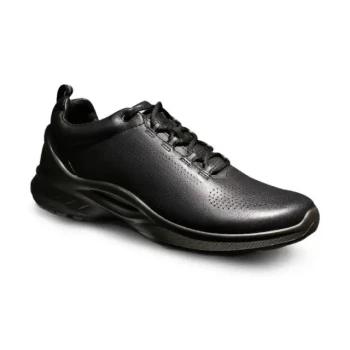
- Wholesale Comfort Dress Shoes with Dial Closure for Custom Manufacturing
- Wholesale Leather Derby Dress Shoes Custom Manufacturer for Brands
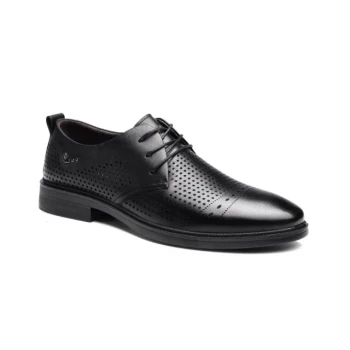
- Wholesale Perforated Comfort Dress Shoes | Custom Derby Shoe Manufacturer
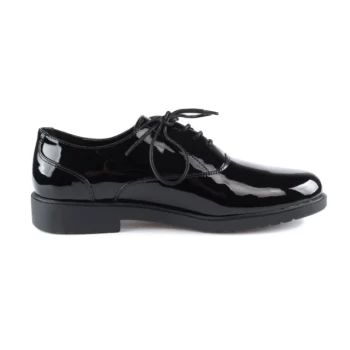
- Wholesale Patent Oxford Dress Shoes | Custom & Bulk Manufacturing
People Also Ask
- How often should leather dress shoes be cleaned and polished? A 3-Tier Care Guide for Longevity
- How can you remove salt stains from leather dress shoes? Save Your Shoes with a Simple Vinegar Solution
- What are the basic steps to clean leather dress shoes? A Guide to Preserving Your Investment
- How should you dry wet leather dress shoes? A Step-by-Step Guide to Save Your Investment
- What historical figure is associated with the Derby shoe? The Earl of Derby's Comfort Revolution