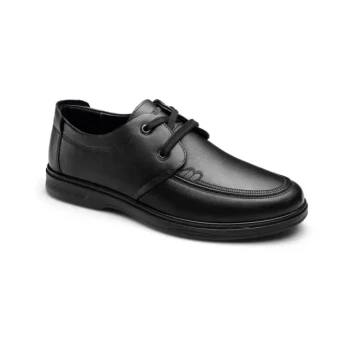
Expanded polyurethane backing pads provide superior surface adaptability, controlled compound delivery, and scratch-free finishing for high-volume robotic shoe polishing. By utilizing a porous, elastic structure, these pads conform to complex leather textures while generating the necessary heat to drive polishing waxes deep into the material. This ensures a consistent, high-gloss finish that maintains its integrity long after the production line, meeting the rigorous standards of global footwear brands.
Core Takeaway: For large-scale manufacturers, expanded polyurethane pads represent a critical balance between precision and efficiency. They solve the problem of mechanical surface damage while enhancing the longevity of the leather’s aesthetic through superior chemical penetration and sustainable material properties.
Superior Finishing through Material Elasticity
High Adaptability to Leather Textures
Expanded polyurethane (PU) offers exceptional elasticity, allowing the backing pad to conform to the subtle undulations and unique textures of natural leather. This ensures that the robotic arm maintains consistent contact across the entire surface of the shoe, even on complex curved sections.
Significant Reduction in Mechanical Scratches
Unlike rigid backing materials, PU pads provide a gentler contact force during high-speed rotation. This cushioning effect significantly reduces the risk of mechanical scratches or "burn-through" on delicate leather surfaces, ensuring a flawless finish.
Precision Coverage for Complex Geometry
The selection of specific pad sizes, such as 30mm diameters, allows for a perfect balance between operational coverage and adaptability. This precision is vital for robotic systems that must navigate the tight corners and varying heights of modern footwear designs.
Chemical Integration and Durability
Enhanced Compound Storage and Release
The porous structure of expanded polyurethane acts as a reservoir for polishing compounds and waxes. This allows for a uniform, metered release of the product during the polishing cycle, preventing clumps or uneven applications that can occur with non-porous pads.
Improved Wax Penetration and Density
The friction generated by the PU pad during high-speed rotation creates localized heat that promotes the deep penetration of wax components. This process increases the leather's surface density and fold resistance, ensuring the shoe remains durable under stress.
Long-Term Brightness Retention
Because the PU pad facilitates deeper chemical integration, the resulting finish is not merely a surface layer. Finished shoes maintain excellent brightness durability for 72 hours or more after production, a critical requirement for international shipping and retail display.
Manufacturing Strength and Global Compliance
Large-Scale Production Consistency
Utilizing PU backing pads within an automated robotic framework allows for massive production scales without sacrificing quality. This consistency is backed by manufacturing heritages dating back to 1951, ensuring that every unit meets the same premium standard.
Alignment with ESG and Sustainability Trends
Polyurethane is recognized for being more environmentally friendly than traditional rubber alternatives due to cleaner production processes. Its faster degradation rates and lower environmental impact help brand owners meet modern Environmental, Social, and Governance (ESG) targets.
Robust Supply Chain Stability
Choosing PU-based components within a state-of-the-art manufacturing ecosystem ensures supply chain reliability. Distributors and wholesalers benefit from consistent large-volume delivery and the peace of mind that comes with comprehensive international certifications.
Understanding the Trade-offs
Wear Resistance vs. Operational Lifespan
While PU is highly resistant to wear, the "expanded" or porous nature of these pads means they are designed to be consumable components. Over time, the cell structure will compress, requiring scheduled replacements to maintain the high standards of finish consistency.
Heat Management Sensitivity
The heat generation that aids wax penetration must be carefully calibrated within the robotic programming. Excessive friction can lead to leather discoloration or "glazing" if the robot's dwell time or pressure settings are not precisely optimized for the PU material.
Initial Integration Complexity
Transitioning from manual buffing to robotic PU polishing requires an initial investment in high-precision equipment and specialized training. However, this is offset by the long-term gains in volume, reduced reject rates, and the ability to fulfill massive OEM/ODM orders.
How to Apply This to Your Project
Identifying the right polishing strategy depends on your specific volume requirements and brand positioning.
- If your primary focus is Premium Quality and Consistency: Prioritize expanded PU pads to ensure a scratch-free, high-density finish that reflects the heritage of luxury craftsmanship.
- If your primary focus is Global Distribution and Scale: Leverage the stability of PU-based robotic systems to maintain high-volume output and uniform delivery across international markets.
- If your primary focus is Sustainability and ESG Goals: Adopt PU materials to align your manufacturing process with eco-friendly standards and cleaner production certifications.
By integrating expanded polyurethane backing pads into your robotic polishing lines, you secure a competitive advantage through technical precision and manufacturing excellence.
Summary Table:
| Feature | Advantage | Business Impact |
|---|---|---|
| Porous PU Structure | Controlled compound storage & release | Reduced chemical waste & uniform finish |
| High Elasticity | Conforms to complex leather textures | Consistent quality across all shoe designs |
| Soft Contact Force | Eliminates mechanical scratches/burns | Lower reject rates & premium aesthetics |
| Heat Generation | Drives wax deep into leather fibers | 72h+ brightness retention for global shipping |
| ESG Compliance | Cleaner production & faster degradation | Aligns with international sustainability goals |
Partner with 3515 for World-Class Footwear Manufacturing
Scale your brand with the precision of automated polishing and the heritage of 3515. As a large-scale manufacturer serving distributors and brand owners since 1951, 3515 offers comprehensive production capabilities for all footwear types. While anchored by our flagship Safety Shoes series, our extensive portfolio covers work and tactical boots, outdoor shoes, training shoes, and sneakers, as well as Dress & Formal shoes to meet your diverse bulk requirements.
Why Choose 3515?
- Massive Production Scale: Consistent large-volume delivery and robust supply chain stability.
- Premium OEM/ODM Capabilities: Tailored solutions with state-of-the-art robotic equipment.
- Certified Excellence: Comprehensive international certifications to ensure global market access.
- Heritage & Quality: Over 70 years of manufacturing expertise driving your profit margins.
Ready to elevate your product line? Contact us today to discuss your project!
References
- Marianna Ciccarelli, Michele Germani. Advancing human–robot collaboration in handcrafted manufacturing: cobot-assisted polishing design boosted by virtual reality and human-in-the-loop. DOI: 10.1007/s00170-024-13639-z
This article is also based on technical information from 3515 Knowledge Base .
Related Products
- Durable Rubber Sole Outdoor Shoes Wholesale & Custom Manufacturing
- Lightweight Breathable Sneakers with Wet-Traction Grip for Wholesale & Private Label
- Wholesale Durable Safety Boots Manufacturer Customizable Steel Toe Work Boots
- Wholesale Durable Camouflage Canvas Shoes with High-Traction Cleated Rubber Sole
- Durable Leather Moc Toe Work Boots for Wholesale & Custom Manufacturing
People Also Ask
- What is the function of the sole in outdoor shoes? Find the Perfect Grip and Support
- What role do outdoor shoes and sneakers play in navigating external terrains? Engineered Stability for Every Surface
- How is AI utilized in the design of outdoor and safety footwear? Harnessing Big Data for Market-Driven Shoe Innovation
- Why is durability important when selecting outdoor shoes? A Guide to Safety & Long-Term Value
- What are the key components of outdoor shoes that affect comfort and sturdiness? A Guide to Durable, High-Performance Footwear