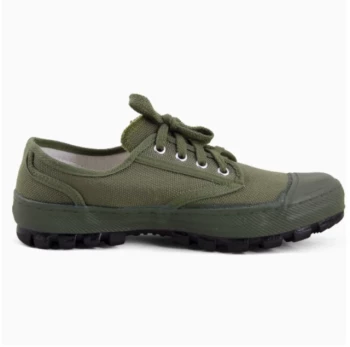
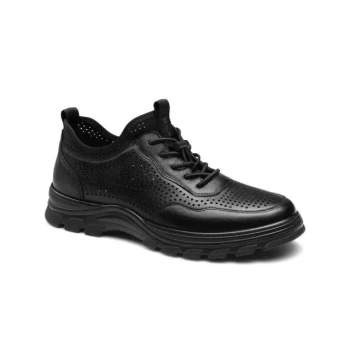
Beyond simple tradition, rubber soles have become the default choice for most modern footwear for a clear reason. They offer an unparalleled combination of exceptional traction, high durability, and all-weather water resistance, making them a functionally superior material for everything from work boots to daily sneakers.
The core advantage of a rubber sole is not one single feature, but its uniquely balanced blend of practical benefits. It provides the reliable foundation for footwear intended to perform safely in the real world, prioritizing longevity and grip where other materials compromise.
The Core Functional Advantages of Rubber
The widespread use of rubber soles is rooted in a few key performance characteristics that are difficult to match. These advantages directly impact the safety, comfort, and lifespan of your footwear.
Unmatched Grip and Traction
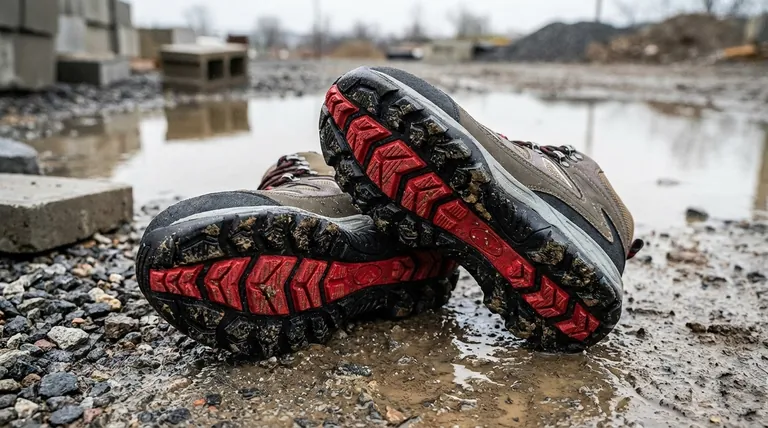
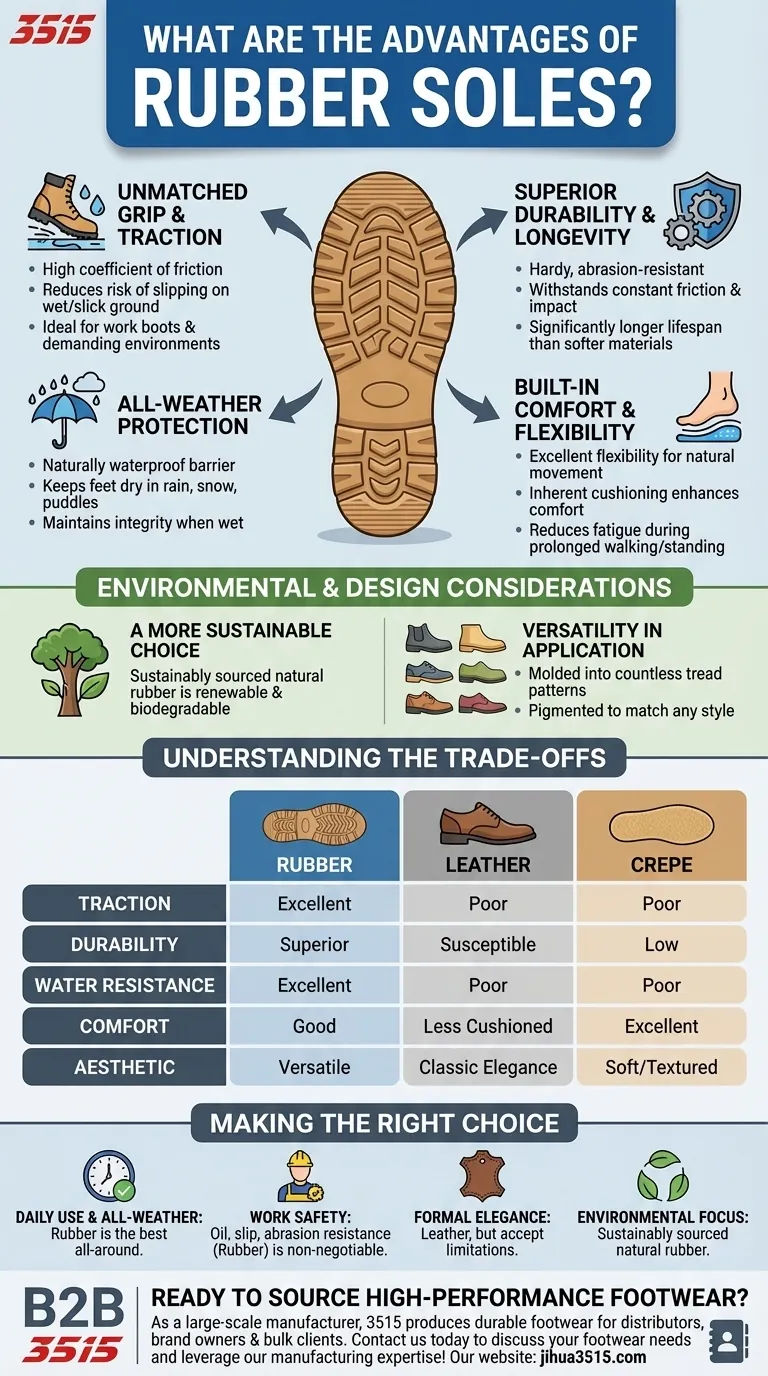
A rubber sole’s primary safety feature is its ability to grip surfaces. Its high coefficient of friction provides excellent traction, significantly reducing the risk of slipping on wet or slick ground.
This makes it the standard for work boots, where oil and abrasion resistance are also critical for maintaining stability in demanding environments.
Superior Durability and Longevity
Rubber is an inherently hardy and abrasion-resistant material. It is engineered to withstand constant friction and impact without cracking or wearing down quickly.
This resistance to wear and tear means that shoes with rubber soles typically have a much longer lifespan than those with softer materials like crepe.
All-Weather Protection
Rubber is naturally waterproof. This provides a reliable barrier against rain, puddles, and snow, keeping your feet dry and comfortable in inclement weather.
Unlike porous materials such as leather, which can be easily damaged by moisture, rubber maintains its integrity and performance when wet.
Built-in Comfort and Flexibility
High-quality rubber offers excellent flexibility, allowing the shoe to bend naturally with the movement of your foot.
This flexibility, combined with rubber's inherent cushioning properties, enhances comfort during prolonged periods of walking or standing.
Environmental and Design Considerations
Beyond its raw performance, rubber also offers benefits related to sustainability and manufacturing versatility.
A More Sustainable Choice
When sourced correctly, natural rubber is a renewable and biodegradable material. It is harvested from rubber trees, making it a more sustainable option compared to many fully synthetic, petroleum-based sole materials.
Versatility in Application
Rubber can be easily molded into countless tread patterns and designs, allowing manufacturers to fine-tune grip and performance for specific activities.
It can also be pigmented to match any shoe style, from the neutral tan of a classic gum sole to the black of a heavy-duty work boot.
Understanding the Trade-offs
No material is perfect for every situation. Objectivity requires understanding where rubber excels and where other materials may be preferred.
Rubber vs. Leather
Leather soles offer a classic elegance and are highly breathable, making them a traditional choice for formal dress shoes. However, they provide very poor traction in wet conditions and are susceptible to water damage.
Rubber provides superior grip and all-weather durability but lacks the traditional aesthetic and breathability of a leather sole.
Rubber vs. Crepe
Crepe, another form of natural rubber, is exceptionally soft and lightweight, providing a very cushioned feel. Its primary drawback is its low durability, as it wears down very quickly with regular use.
Standard rubber offers a far more durable and long-lasting sole, though it may feel firmer and heavier than crepe.
Specialized vs. Standard Rubber
Not all rubber is created equal. Materials like Dainite rubber are a denser, harder compound often formed with low-profile studs. They offer the water resistance and grip of rubber but with enhanced durability and a sleeker profile suitable for dressier boots.
Making the Right Choice for Your Footwear
Your final decision should be guided by the primary purpose of your footwear.
- If your primary focus is daily use and all-weather reliability: Rubber is the undisputed best all-around choice for its balance of grip, durability, and water resistance.
- If your primary focus is safety in a work environment: The oil, slip, and abrasion resistance of a high-quality rubber sole is non-negotiable.
- If your primary focus is formal elegance and breathability: A leather sole remains the classic choice, but you must accept its limitations in poor weather.
- If your primary focus is environmental impact: A sole made from sustainably sourced natural rubber is one of the best options available.
Ultimately, choosing a rubber sole is a decision for practicality and performance in virtually any condition.
Summary Table:
| Advantage | Key Benefit | Ideal For |
|---|---|---|
| Traction & Grip | Excellent slip resistance on wet/slick surfaces | Work boots, safety footwear |
| Durability | High abrasion resistance for long-lasting wear | Daily use, demanding environments |
| Water Resistance | Natural waterproof barrier for all-weather use | Rain, snow, wet conditions |
| Comfort & Flexibility | Cushioning and natural foot movement | Long periods of walking or standing |
Ready to source high-performance footwear with superior rubber soles?
As a large-scale manufacturer, 3515 produces a comprehensive range of durable and comfortable footwear for distributors, brand owners, and bulk clients. Our production capabilities encompass all types of shoes and boots, ensuring you get the perfect balance of safety, longevity, and comfort.
Contact us today to discuss your footwear needs and leverage our manufacturing expertise!
Visual Guide
Related Products
- Durable Rubber Sole Outdoor Shoes Wholesale & Custom Manufacturing
- Durable Rubber-Soled Utility Shoes for Wholesale & Custom Brand Manufacturing
- Wholesale Durable Camouflage Canvas Shoes with High-Traction Cleated Rubber Sole
- Durable Canvas Work Shoes with Rubber Lug Sole | Wholesale Manufacturer
- Wholesale Durable Camo Canvas Shoes with High-Traction Rubber Soles
People Also Ask
- What is the function of the sole in outdoor shoes? Find the Perfect Grip and Support
- What role do outdoor shoes and sneakers play in navigating external terrains? Engineered Stability for Every Surface
- How is AI utilized in the design of outdoor and safety footwear? Harnessing Big Data for Market-Driven Shoe Innovation
- Why is durability important when selecting outdoor shoes? A Guide to Safety & Long-Term Value
- What are the key components of outdoor shoes that affect comfort and sturdiness? A Guide to Durable, High-Performance Footwear