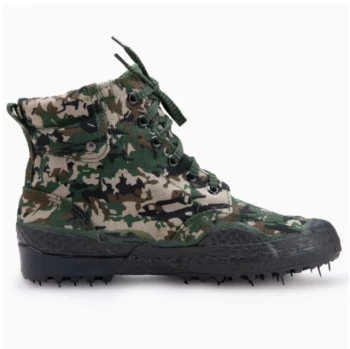
The key to maintaining your hunting boots is a disciplined, multi-step process that goes beyond a simple cleaning. It involves a consistent routine of cleaning after every use, treating the materials to preserve their integrity, and storing them in a way that maintains both their physical condition and scent profile for the next hunt.
Your hunting boots are a critical piece of equipment subjected to extreme abuse. Proper maintenance isn't about keeping them looking new; it's about ensuring they continue to provide essential waterproofing, scent control, and durability when you need them most.
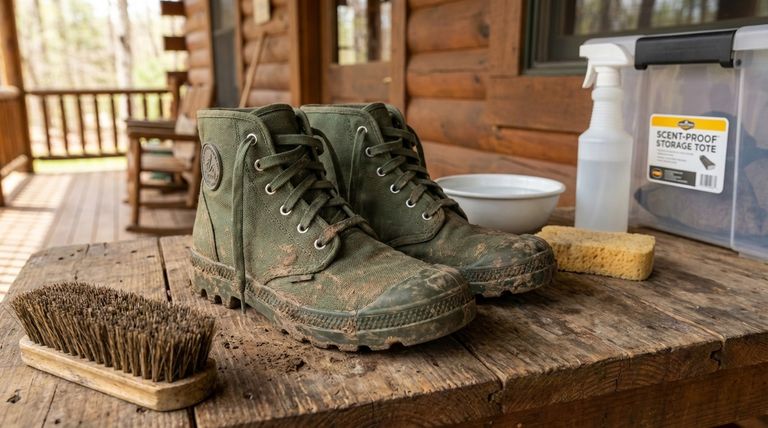
The Foundation: A Post-Hunt Routine
The work begins the moment you take your boots off. Neglecting immediate care allows moisture, mud, and debris to degrade the materials over time.
Remove Surface Debris Immediately
After each hunt, knock off all caked-on mud and remove any dirt from the soles and uppers. This simple step prevents abrasive grit from wearing down stitching and materials.
Perform a Deeper Clean
Use a gentle cleaner and a brush to scrub away any remaining dirt. A thorough cleaning is essential before applying any waterproofing or conditioning treatments.
Dry Boots Correctly
Never use direct heat from a fire or heater to dry your boots, as this can crack leather and damage adhesives. Instead, remove the insoles and allow them to air-dry in a well-ventilated space away from direct sunlight.
Protecting the Materials: Conditioning and Waterproofing
With the boots clean and dry, the next step is to restore their protective qualities. This is what keeps your feet dry and the boot materials from failing.
Reapply Waterproofing Treatments
Most boots require periodic re-application of a waterproof protectant, especially after a deep cleaning. This should be done at least monthly during the hunting season or whenever you notice water is no longer beading on the surface.
Inspect for Damage
Regularly check for any rips, tears, or separating seams. Catching minor damage early allows you to make a repair before it becomes a catastrophic failure in the field.
Replace Worn Components
Keep an eye on your laces and treads. Frayed laces can snap at the worst possible moment, and worn-out treads compromise your traction and safety.
The Hunter's Edge: Scent and Use Discipline
For a hunter, a boot's performance isn't just about durability; it's also about stealth. How you use and store your boots directly impacts your scent signature.
Dedicate Boots for Hunting Only
While durable hunting boots can double as excellent snow boots, this practice contaminates them with foreign scents from gas stations, stores, and garages. To maintain scent integrity, use them exclusively for hunting.
Use Scent Control Products
After cleaning, apply scent-eliminating sprays or products as a final step before storage or your next hunt. This is especially critical for whitetail and other scent-sensitive game.
Store for Scent-Free Readiness
Store your boots in a sealed container, tote, or bag. This prevents them from absorbing ambient odors from your home or vehicle, ensuring they are as scent-neutral as possible when you head out.
Understanding the Trade-offs
Proper maintenance requires effort, but it directly addresses the inherent challenges of high-performance footwear.
High Cost Justifies High Care
Quality hunting boots are a significant financial investment due to their robust construction and specialized features. A consistent maintenance routine is the best way to protect that investment and maximize their lifespan.
Specialized Use vs. General Wear
Using your hunting boots for everyday chores is convenient, but it comes at a cost. You trade their specialized scent-control and performance features for general utility, potentially compromising their effectiveness during the hunt.
Heavier Build Demands Inspection
The heavy-duty construction that makes hunting boots so durable also means there are more potential failure points—more seams, eyelets, and bonded layers. Regular inspection is non-negotiable.
Your Maintenance Strategy Based on Boot Type
Apply these principles based on the primary material of your boots.
- If your primary focus is on leather boots: Prioritize regular cleaning and conditioning to prevent the leather from drying out and cracking.
- If your primary focus is on rubber or neoprene boots: Concentrate on meticulous scent control and carefully inspect for punctures or seam separation.
- If your primary focus is on synthetic or hybrid boots: Pay close attention to reapplying waterproofing sprays, as the factory DWR (Durable Water Repellent) coating will wear off with use.
Ultimately, taking care of your boots is about taking care of your most fundamental tool in the field.
Summary Table:
| Maintenance Step | Key Action | Primary Benefit |
|---|---|---|
| Post-Hunt Routine | Clean debris, air-dry, remove insoles | Prevents material degradation |
| Material Protection | Reapply waterproofing, inspect for damage | Maintains waterproofing & structural integrity |
| Scent & Use Discipline | Use for hunting only, store in sealed container | Preserves scent control for stealth |
| Type-Specific Care | Condition leather; check rubber for punctures | Tailored care for optimal performance |
Ready to equip yourself with superior footwear? As a large-scale manufacturer, 3515 produces a comprehensive range of durable hunting, tactical, and outdoor boots for distributors, brand owners, and bulk clients. Our expertise ensures your footwear is built to last in the toughest conditions. Contact our team today to discuss your production needs and discover how we can support your business with reliable, high-performance footwear.
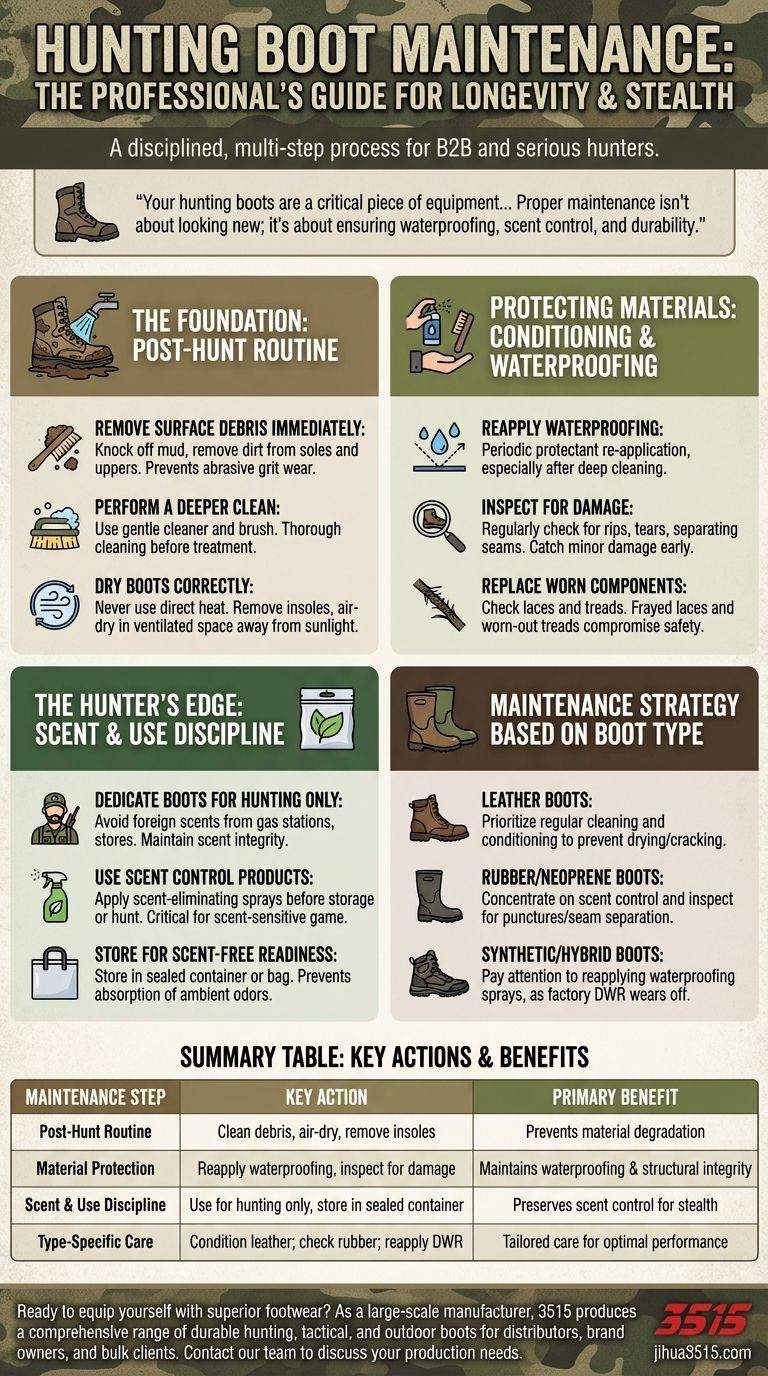
Visual Guide
Related Products
- Wholesale Lightweight Tactical Boots Custom Manufacturer for Desert & Combat Use
- High-Traction Suede Tactical Boots Wholesale & Custom Manufacturing
- Durable Leather Tactical Boots Wholesale & Custom Manufacturing for Brands
- Durable Military Combat Boots with Water Drainage for Wholesale & OEM
- Wholesale Waterproof Tactical Boots Custom Suede & High-Traction Soles
People Also Ask
- What are the common types of combat boots? Find the Right Boot for Your Mission
- What specialized protections do tactical boots offer? Maximize Endurance with High-Performance Footwear
- What is the role of high-frequency acquisition hardware in technical skill analysis for outdoor and tactical boots?
- How does additive manufacturing equipment reduce environmental risks? Sustainable Tactics for Modern Footwear Production
- How is the compatibility of polymer materials demonstrated in smart footwear? Enhancing Tactical & Training Performance