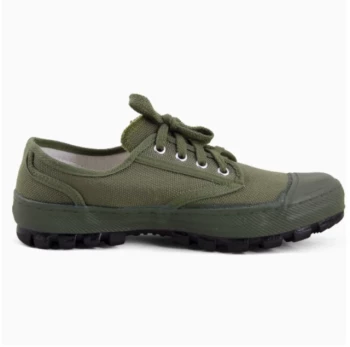
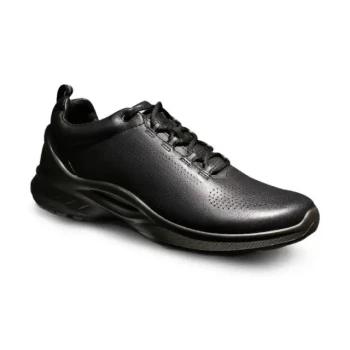
To find the right walking shoes, you need a strategy that goes beyond just your shoe size. The key is to shop in the afternoon when your feet are largest, wear the type of socks you'll walk in, and ensure the shoe has a low heel, flexes at the ball of the foot, and leaves about a finger's width of space in front of your longest toe.
The search for the right walking shoe is not about finding a "good" shoe, but about finding the right shoe for your foot and your specific activities. A perfect fit should feel comfortable immediately, matching your foot's mechanics without needing a "break-in" period.
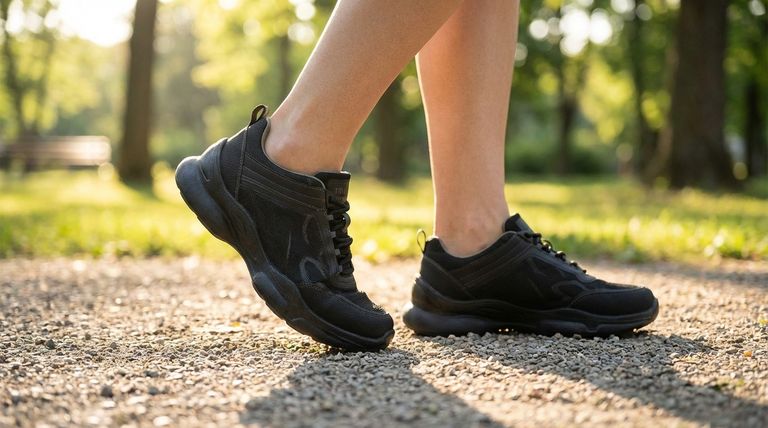
The Anatomy of a Proper Fit
Getting the fit right is the foundational step. It prevents discomfort and potential injury by ensuring the shoe works with your foot, not against it.
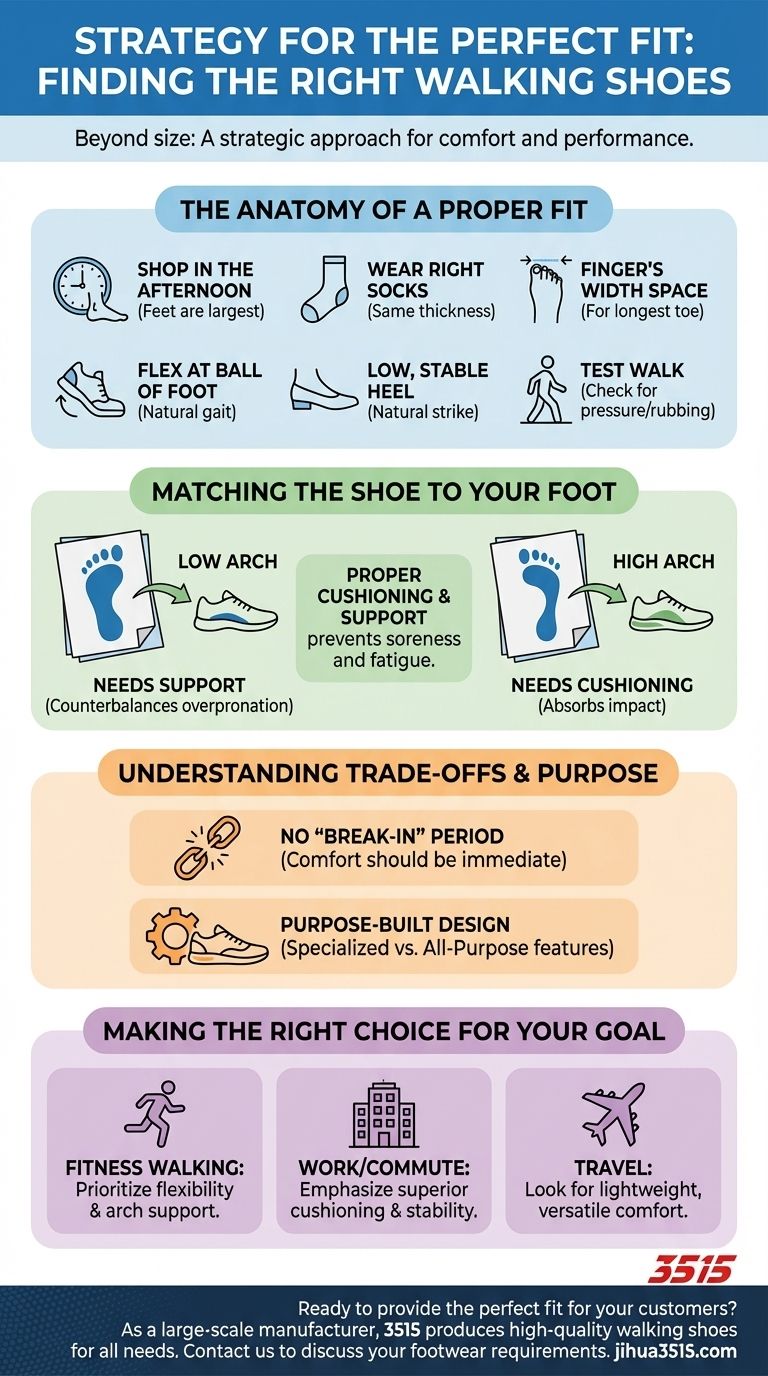
Shop When Your Feet Are Largest
Your feet naturally swell throughout the day. By shopping in the late afternoon or evening, you measure them at their largest, preventing the purchase of a shoe that will feel too tight when you actually use it.
Bring the Right Socks
The thickness of your sock can significantly alter how a shoe fits. Always try on shoes with the same type of socks you intend to wear for walking. Avoid 100% cotton, which traps moisture and can lead to blisters.
Ensure Adequate Wiggle Room
A proper fit allows for space. There should be at least one finger's width of room between your longest toe (which isn't always the big toe) and the front end of the shoe. This space prevents your toes from jamming into the shoe with each step.
Test the Shoe's Flexibility
A good walking shoe should bend easily at the ball of the foot, mirroring your foot's natural flexion point. If the shoe is too stiff or bends in the middle of the arch, it will hinder your natural gait and cause strain.
Look for a Low, Stable Heel
The heel should be relatively low and not significantly built up compared to the front of the shoe. This promotes a more natural foot strike and enhances stability while you walk.
Always Take a Test Walk
Never buy a shoe without walking around the store for a few minutes. This is the only way to check for rubbing, pinching, or uncomfortable pressure points. Your heel should not slip, and the shoe should feel secure.
Matching the Shoe to Your Foot
Beyond the basic fit, the shoe's internal structure must support your unique foot mechanics. This is critical for preventing fatigue and long-term strain.
Understand Your Arch Type
You can get a rough idea of your arch type by looking at your footprint. Wet your foot and step onto a piece of paper or concrete.
A full, wide footprint suggests a low arch, which often leads to overpronation (foot rolling inward). A footprint showing mostly the heel and ball of the foot suggests a high arch, which can lead to underpronation (foot rolling outward). The right shoe provides the correct support to counterbalance these tendencies.
The Role of Cushioning and Support
Proper cushioning absorbs impact, reducing stress on your joints, while good support holds your foot in a stable, neutral position. This combination is essential for preventing soreness and fatigue, especially when walking on hard surfaces.
Understanding the Trade-offs
Choosing the right shoe involves recognizing that no single design is perfect for every person or situation.
The Myth of the "Break-In" Period
A well-fitting walking shoe should feel comfortable from the moment you put it on. Unlike some heavy-duty boots, quality walking shoes do not require a painful break-in period. If it doesn't feel right in the store, it won't feel right on the road.
Specialized vs. All-Purpose Shoes
Consider how you will use the shoes most often. A shoe designed for standing all day at work will prioritize cushioning and slip-resistance, while a shoe for travel and commuting may focus on being lightweight and easy to take on and off. One shoe rarely excels in all categories.
The Importance of Purpose-Built Design
Safety shoes for work, for example, have different requirements than athletic trainers. They often have features like protective toecaps and soles designed for specific surfaces. Their rigid construction means an improper fit will cause immediate discomfort and can even alter your gait.
Making the Right Choice for Your Goal
Your primary activity should guide your final selection.
- If your primary focus is fitness walking: Prioritize a shoe with excellent flexibility at the ball of the foot and support that matches your arch type.
- If your primary focus is all-day comfort for work or commuting: Emphasize superior cushioning and a stable, supportive structure to fight fatigue on hard surfaces.
- If your primary focus is travel: Look for a lightweight, versatile, and comfortable shoe that is easy to wear for long periods.
By aligning the shoe's features with your foot and your purpose, you invest in miles of comfortable and injury-free movement.
Summary Table:
| Key Tip | Why It Matters |
|---|---|
| Shop in the Afternoon | Feet swell during the day; ensures a comfortable fit. |
| Test Flexibility at the Ball of the Foot | Matches your natural gait for efficient walking. |
| Ensure a Finger's Width of Space | Prevents toes from jamming and causing blisters. |
| Understand Your Arch Type | Provides the correct support to prevent strain. |
| Choose Based on Your Primary Activity | Aligns shoe features with your specific needs for comfort. |
Ready to Find the Perfect Walking Shoe for Your Needs?
As a large-scale manufacturer, 3515 produces a comprehensive range of high-quality footwear for distributors, brand owners, and bulk clients. Our production capabilities encompass all types of walking shoes, from cushioned options for all-day comfort to flexible designs for fitness walking.
We can help you provide the perfect fit for your customers.
Contact us today to discuss your footwear needs and discover how our manufacturing expertise can benefit your business.
Visual Guide
Related Products
- Wholesale Durable Camouflage Canvas Shoes with High-Traction Cleated Rubber Sole
- Durable Rubber Sole Outdoor Shoes Wholesale & Custom Manufacturing
- Premium Suede Sport Safety Shoes for Wholesale & Bulk Orders
- Durable Goodyear Welt Leather Work Boots for Wholesale & Private Label
- Wholesale Comfortable Business Casual Shoes Custom Manufacturing
People Also Ask
- Why is the selection of high-strength fabric materials necessary in the production of canvas shoes and training shoes?
- What are the properties of canvas as a shoe material? A Guide to Lightweight Comfort & Style
- Can canvas shoes be worn in rainy conditions? The Truth About Water Resistance
- What are some examples of vulcanized shoes? Discover the Flexibility and Board Feel of Classic Sneakers
- What are the characteristics of canvas as a shoe material? A Guide to Lightweight, Breathable Footwear