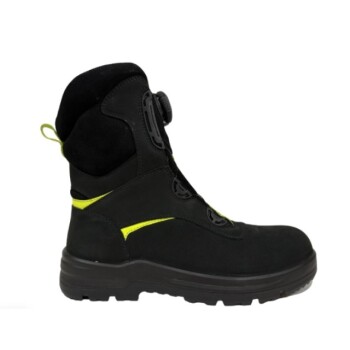
The primary drawbacks of full-height boots center on comfort during extended use, aesthetics with certain attire, and increased maintenance. While they offer superior protection, the taller shaft can lead to significant chafing on the shins and calves and can be more difficult to keep clean than their shorter counterparts.
The core trade-off with full-height boots is simple: you are exchanging a degree of long-term comfort, convenience, and agility for maximum ankle support and protection from the elements. Understanding this balance is key to choosing the right footwear for your specific mission.
The Functional Impact on Comfort and Mobility
While valued for their protective qualities, the very design of full-height boots introduces specific physical challenges, especially over long periods of wear.
The Inevitable Risk of Chafing
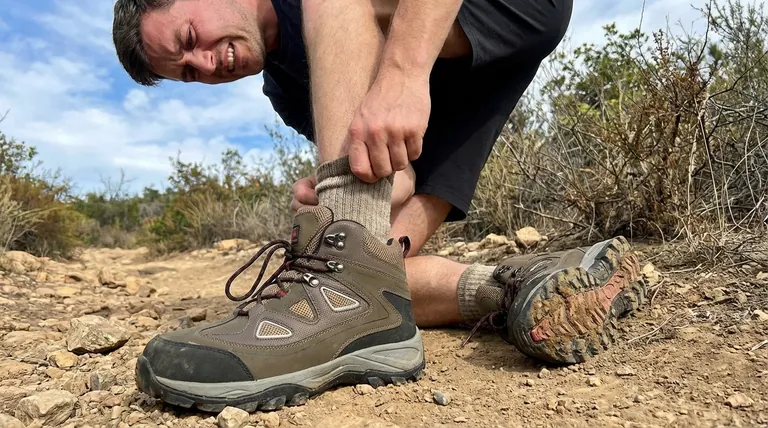
The most commonly cited drawback is chafing or abrasion on the lower leg. The taller boot shaft creates a large surface area that constantly rubs against the shin and calf.
This friction is amplified during activities that require significant ankle flexion, like prolonged walking, rucking, or navigating uneven terrain. Without proper socks and fit, this can lead to serious discomfort and skin irritation.
Reduced Ankle Flexibility and Agility
A taller, more rigid boot shaft provides excellent support but inherently restricts the natural range of motion in the ankle.
This can be a disadvantage in situations requiring high agility or rapid directional changes. While beneficial for stability on rough ground, it can feel cumbersome and slow on more predictable surfaces.
Practical and Aesthetic Considerations
Beyond pure function, the daily experience of owning and wearing full-height boots involves practical hurdles that are important to consider.
Challenges with Uniform Integration
Full-height boots do not always integrate seamlessly with all types of uniforms or trousers. The transition point between the boot top and the pant leg can be awkward.
Some uniform trousers are cut with a mid-height boot in mind, and a taller boot can cause the fabric to bunch up or fit improperly, creating an unprofessional appearance and potential discomfort.
Increased Maintenance Demands
A larger boot simply means there is more to take care of. The increased surface area of leather or synthetic material requires more time and product to clean, condition, and waterproof.
Lacing and unlacing a taller boot also takes more time and effort, which can be a minor but persistent annoyance in daily use.
Understanding the Trade-offs
Choosing a boot height is not about finding a perfect solution but about accepting the right set of compromises for your environment and role.
Protection vs. All-Day Comfort
The fundamental trade-off is protection versus comfort. Full-height boots offer unmatched protection against environmental hazards like water, mud, sharp rocks, and snake bites.
However, this protection comes at the cost of potential chafing, increased weight, and less breathability, which can degrade comfort over a long day.
Stability vs. Speed
A second critical trade-off is stability versus speed. The robust ankle support of a tall boot is crucial for preventing injuries when carrying heavy loads or traversing treacherous landscapes.
This same stabilizing structure, however, can feel restrictive and slow down movement when speed and nimbleness are the priority.
Making the Right Choice for Your Needs
To select the appropriate footwear, you must first define your primary operational requirement.
- If your primary focus is maximum protection and support: The potential for chafing and reduced agility is an acceptable price for the stability and safety required for rough terrain or specific job hazards.
- If your primary focus is mobility and long-distance comfort: The drawbacks of a full-height boot likely outweigh its benefits, and a mid-height boot would offer a better balance for long patrols or varied activities.
- If your primary focus is convenience and professional appearance: The maintenance demands and potential for poor uniform integration make a shorter, more manageable boot a more practical choice.
Ultimately, the best boot is the one that aligns with the specific demands of your environment and your mission.
Summary Table:
| Drawback Category | Key Challenges |
|---|---|
| Comfort & Mobility | Chafing on shins/calves, reduced ankle flexibility, increased weight. |
| Practicality | Difficult uniform integration, longer lacing time, higher maintenance. |
| Core Trade-off | Exchanging long-term comfort and agility for maximum protection and stability. |
Need the Perfect Boot for Your Mission? Partner with 3515.
As a large-scale manufacturer, 3515 produces a comprehensive range of footwear for distributors, brand owners, and bulk clients. Our production capabilities encompass all types of shoes and boots, allowing us to provide the ideal balance of protection, comfort, and durability for your specific needs.
Let us help you navigate the trade-offs and equip your team with the right footwear.
Contact our experts today for a consultation and discover the 3515 advantage.
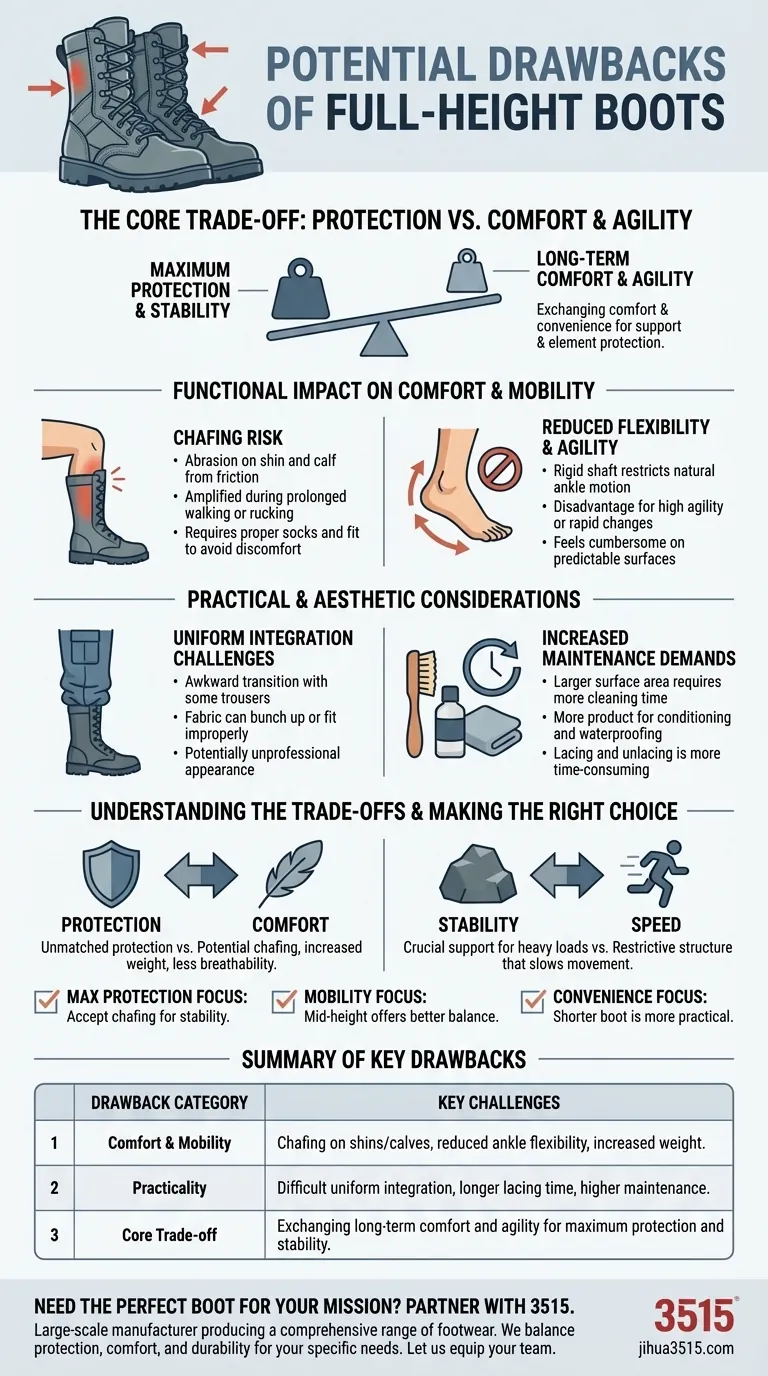
Visual Guide
Related Products
- Durable Leather High-Ankle Tactical Boots for Wholesale & Custom Manufacturing
- Durable High-Ankle Tactical Boots for Wholesale & Custom Manufacturing
- Durable High-Ankle Tactical Boots Wholesale Manufacturer for Custom & Bulk Orders
- Wholesale Tactical Boots High-Traction & Reflective for Bulk & Brand Orders
- High-Traction Suede Tactical Boots Wholesale & Custom Manufacturing
People Also Ask
- How do military uniforms and tactical boots impact the prediction of thermal risk? Essential Safety Insights
- How does the material of tactical boots affect their performance? Choose the Right Material for Your Mission
- Why is sequential analysis utilized to evaluate tactical boots? Master Dynamic Boot Development and Ergonomic Performance
- How do tactical boots differ from regular boots? Performance, Durability & Design Explained
- What are the primary differences between tactical boots and combat boots? Choose the Right Boot for Your Mission