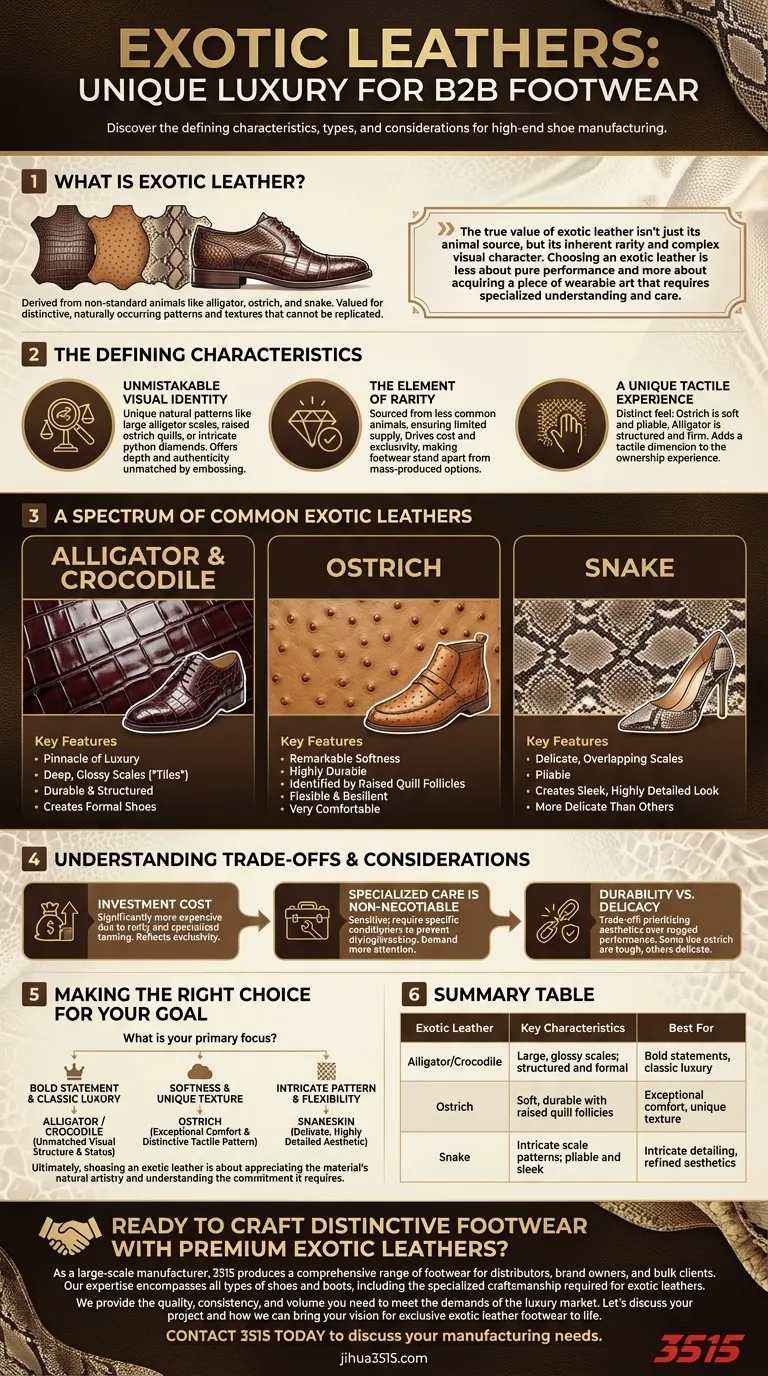
At its core, exotic leather is derived from the hides of animals not typically used in mass-market production, such as alligators, snakes, and ostriches. Their uniqueness in footwear stems from distinctive, naturally occurring patterns and textures that cannot be replicated by standard cattle hides, positioning them as a statement of luxury and rarity.
The true value of exotic leather isn't just its animal source, but its inherent rarity and complex visual character. Choosing an exotic leather is less about pure performance and more about acquiring a piece of wearable art that requires specialized understanding and care.
The Defining Characteristics of Exotic Leather
To understand what makes these materials unique, you must look beyond their origin and focus on their inherent physical properties. These characteristics are the reason they are sought after in high-end footwear.
Unmistakable Visual Identity
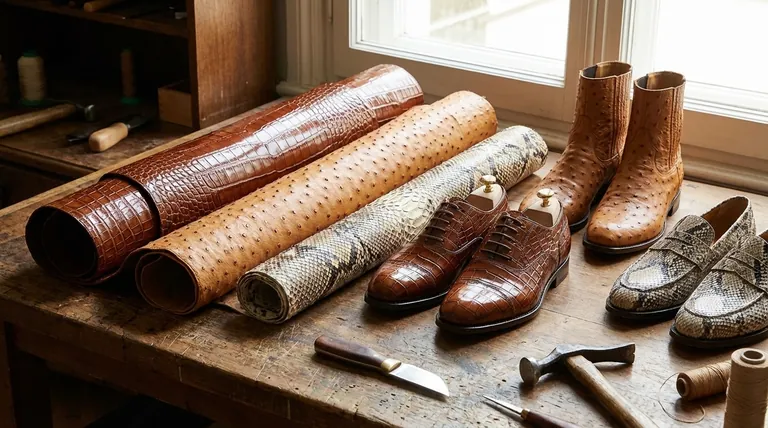
The primary draw of exotic leather is its visual signature. The large, square scales of an alligator, the raised quill follicles of an ostrich, or the intricate diamond pattern of a python are all natural and unique to each hide.
This natural patterning provides a depth and authenticity that artificially embossed leathers, such as lower-grade "genuine leather," cannot match.
The Element of Rarity
Unlike cattle, which are raised in vast numbers, the animals sourced for exotic leathers are far less common. This limited supply is a fundamental driver of their cost and exclusivity.
The rarity ensures that a pair of shoes made from these materials will stand apart from mass-produced alternatives, appealing to those who value distinction.
A Unique Tactile Experience
Exotic leathers offer a distinct feel. Ostrich leather is renowned for its exceptional softness and pliability, while alligator hide has a more structured and firm feel due to its bony plates.
This tactile dimension adds another layer to the ownership experience, making the footwear unique in feel as well as appearance.
A Spectrum of Common Exotic Leathers
While many types exist, a few have become mainstays in luxury shoemaking due to their distinct and desirable qualities.
Alligator & Crocodile
Often considered the pinnacle of luxury, alligator and crocodile leathers are prized for their deep, glossy scales known as "tiles." This material is durable and creates a very structured, formal shoe.
Ostrich
Valued for its remarkable softness and durability, ostrich leather is easily identified by its pattern of raised bumps, which are the follicles from which feathers grew. It is a very comfortable and flexible, yet resilient, material.
Snake
Leathers from pythons and other snakes are admired for their delicate, overlapping scale patterns. They are typically very pliable and can create a sleek, highly detailed look, though they are often more delicate than other exotics.
Understanding the Trade-offs and Considerations
The uniqueness of exotic leathers comes with a specific set of responsibilities and considerations. These are not materials for every person or every situation.
The Investment Cost
The rarity of the hides and the highly specialized tanning processes required make exotic leathers significantly more expensive than even the highest grades of calfskin. This cost reflects the material's exclusivity.
Specialized Care is Non-Negotiable
Exotic leathers are sensitive and require specific care routines. They can dry out, crack, or be damaged by water if not maintained with conditioners formulated for their unique properties. They demand more attention than standard cowhide.
Durability vs. Delicacy
While some exotics like ostrich are quite tough, many others are more delicate than workhorse leathers like full-grain cowhide. The choice to wear exotic leather footwear is often a trade-off, prioritizing aesthetics over rugged, all-weather performance.
Making the Right Choice for Your Goal
Selecting an exotic leather depends entirely on your intended use and desired aesthetic.
- If your primary focus is a bold statement and classic luxury: Alligator or crocodile offers an unmatched visual structure and status.
- If your primary focus is softness and unique texture: Ostrich leather provides exceptional comfort and a distinctive, tactile pattern.
- If your primary focus is intricate pattern and flexibility: Snakeskin delivers a delicate and highly detailed aesthetic for more refined footwear.
Ultimately, choosing an exotic leather is about appreciating the material's natural artistry and understanding the commitment it requires.
Summary Table:
| Exotic Leather | Key Characteristics | Best For |
|---|---|---|
| Alligator/Crocodile | Large, glossy scales; structured and formal | Bold statements, classic luxury |
| Ostrich | Soft, durable with raised quill follicles | Exceptional comfort, unique texture |
| Snake | Intricate scale patterns; pliable and sleek | Intricate detailing, refined aesthetics |
Ready to Craft Distinctive Footwear with Premium Exotic Leathers?
As a large-scale manufacturer, 3515 produces a comprehensive range of footwear for distributors, brand owners, and bulk clients. Our expertise encompasses all types of shoes and boots, including the specialized craftsmanship required for exotic leathers.
We provide the quality, consistency, and volume you need to meet the demands of the luxury market. Let's discuss your project and how we can bring your vision for exclusive exotic leather footwear to life.
Contact 3515 today to discuss your manufacturing needs.
Visual Guide
Related Products
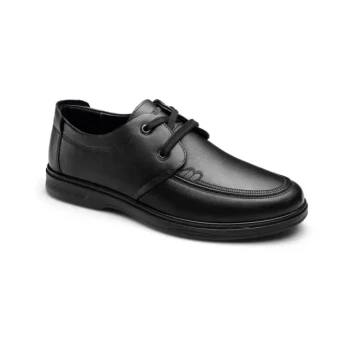
- Wholesale Leather Apron Toe Derby Shoes Custom Factory Production
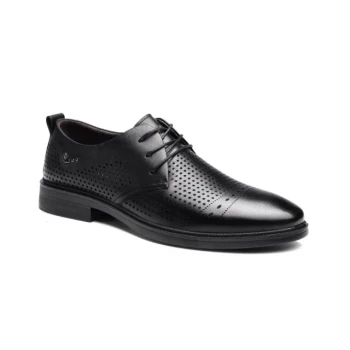
- Wholesale Breathable Perforated Leather Derby Dress Shoes for Custom Brands
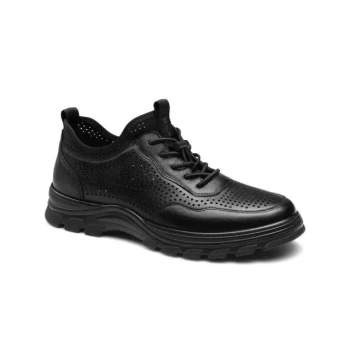
- Wholesale Modern Perforated Leather Derby Shoes with Chunky Sole for Custom Branding
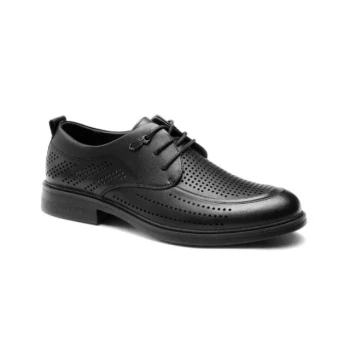
- Custom Breathable Perforated Leather Derby Shoes for Wholesale & Brands
- Custom Manufactured Air Cushion Leather Business Shoes for Wholesale
People Also Ask
- What historical figure is associated with the Derby shoe? The Earl of Derby's Comfort Revolution
- What are the features and appropriate occasions for wearing derby shoes? A Guide to Versatile Style
- What is the main difference between Derby Shoes and Oxford Shoes? It's All in the Lacing.
- How do Derby shoes fit into business casual attire? Master the Perfect Balance of Professional Style
- What are Derbies and how do they differ from Oxfords? A Guide to Lacing and Formality