
It is not advisable to buy second-hand wellies for your children. While the cost savings can be tempting, used wellies have already molded to the specific shape of another child's foot. This pre-formed shape can lead to a poor fit, causing discomfort, a lack of support, and reduced security for a new wearer.
The core issue with second-hand wellies is not surface wear, but the hidden "memory" within the boot's material. A child's developing foot needs a neutral, supportive environment, which a pre-worn boot simply cannot provide.
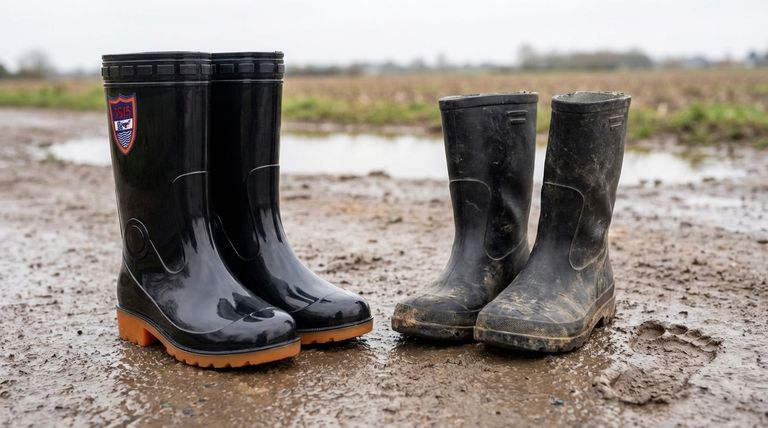
The Hidden Problem: Footwear Molding
How Wellies Adapt to a Foot
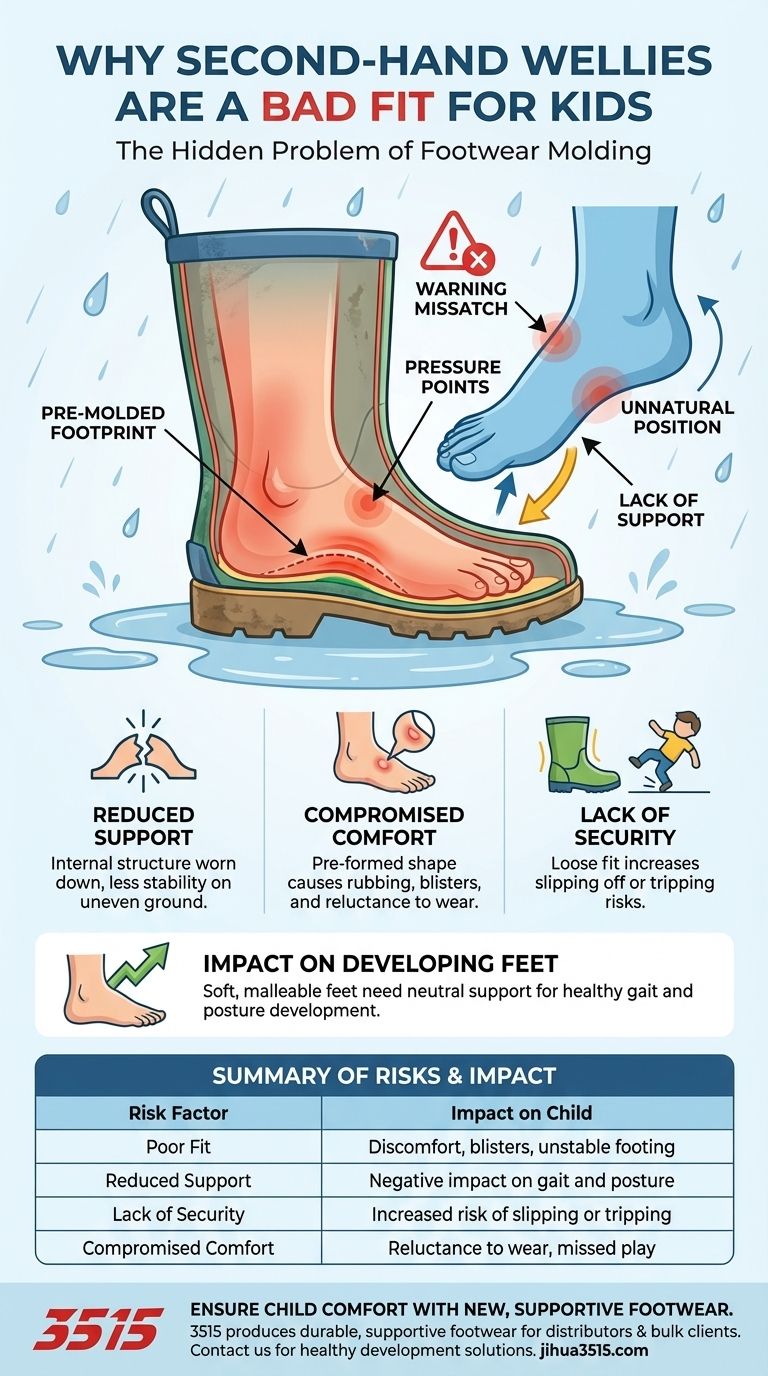
Wellington boots, though seemingly simple, are made from materials that compress and shape over time. The inner lining and footbed gradually conform to the pressure points and unique contours of the original owner's foot.
This process creates a distinct, personalized footprint inside the boot.
The Mismatch for a New Wearer
A new child's foot will not match this pre-molded shape. This mismatch forces their foot into an unnatural position, creating pressure where there shouldn't be any and leaving gaps where support is needed.
The boot essentially fights against the natural shape of your child's foot, leading to an unstable and uncomfortable fit.
The Impact on Developing Feet
Children's feet are soft, malleable, and still developing. Forcing them into poorly fitting footwear can negatively impact their gait, posture, and overall foot health.
Proper support is crucial during these formative years to ensure healthy development.
Key Risks of Second-Hand Wellies
Reduced Support
The most significant issue is the loss of structural integrity. The internal support around the heel and arch will already be compressed and worn down based on the previous wearer's foot.
This means your child receives significantly less support than they would from a new pair, which is critical for stability on uneven, slippery ground.
Compromised Comfort
The pre-formed shape is a primary cause of discomfort. The mismatch can cause rubbing and blisters, especially around the heel and toes.
A child who finds their wellies uncomfortable will be reluctant to wear them, defeating the purpose of the purchase.
Lack of Security
A boot that doesn't properly grip the foot feels loose and insecure. This can increase the risk of the boot slipping off or your child tripping while running and playing.
A secure fit is essential for safety, especially during active outdoor play.
Understanding the Trade-offs
The Appeal of Cost Savings
The primary motivation for buying second-hand is, of course, to save money. Children grow quickly, and footwear can be a frequent expense.
However, it's important to weigh this initial financial saving against the potential downsides.
The Hidden Cost of a Poor Fit
The "cost" of a second-hand pair of wellies isn't just the price tag. It includes the potential for discomfort, blisters, and even a child's refusal to participate in outdoor activities.
A cheap pair of boots that goes unworn offers no value.
When Hand-Me-Downs Might Be Acceptable
If a pair of wellies has been worn only once or twice and shows no visible signs of internal molding, the risk is lower.
However, for any regular use, the potential for a poor fit makes it an unreliable choice for a child's primary rain boot.
Making the Best Choice for Your Child's Feet
To ensure your child's feet are protected and comfortable, consider your primary goal.
- If your primary focus is optimal foot health and development: Always invest in new wellies to guarantee a proper fit and uncompromised support from the start.
- If your primary focus is managing a tight budget: Prioritize looking for sales or affordable new wellies from reputable brands over purchasing a used pair.
- If your primary focus is a one-time, brief activity: A lightly used pair might suffice, but carefully inspect the interior for signs of wear and understand the persistent risk of discomfort.
Investing in new, properly fitting wellies is a direct investment in your child's comfort and healthy development.
Summary Table:
| Risk Factor | Impact on Child |
|---|---|
| Poor Fit | Discomfort, blisters, unstable footing |
| Reduced Support | Negative impact on gait and posture |
| Lack of Security | Increased risk of slipping or tripping |
| Compromised Comfort | Reluctance to wear boots, missed outdoor play |
Ensure your child's comfort and safety with perfectly fitting new wellies. As a large-scale manufacturer, 3515 produces a comprehensive range of durable, supportive footwear for distributors, brand owners, and bulk clients. Our production capabilities encompass all types of children's shoes and boots, designed specifically for healthy foot development. Contact us today to discuss your requirements and secure high-quality footwear for your customers.
Visual Guide
Related Products
- Durable Waterproof Rain Boots | Custom Manufacturer for Wholesale & Brands
- Premium Wholesale Tactical Style Safety Shoes Boots with Quick Lacing
- Durable Goodyear Welt Leather Work Boots for Wholesale & Private Label
- High Performance Fire-Retardant Waterproof Safety Boots
- Durable Leather High-Ankle Tactical Boots for Wholesale & Custom Manufacturing
People Also Ask
- What are the main materials for waterproof rain boots? Choose the Right Material for Durability & Comfort
- What is the overall recommendation for choosing rain boot materials? A Guide to Rubber vs. PVC
- How does boot height affect waterproofing? Choose the Right Height for Ultimate Protection
- Why are rain boots more flexible and comfortable than snow boots? The Key Differences Explained
- What are the best types of shoes for different gardening conditions? Find Your Perfect Match.





