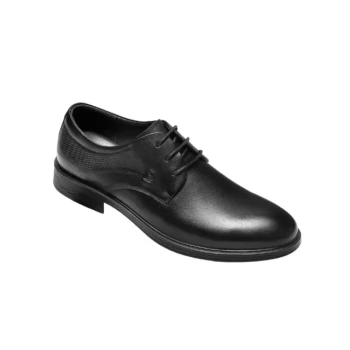
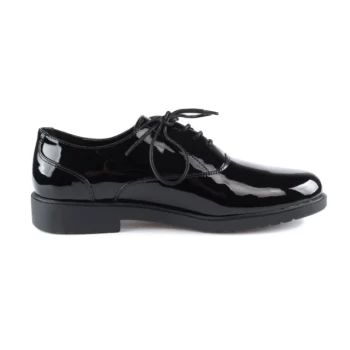
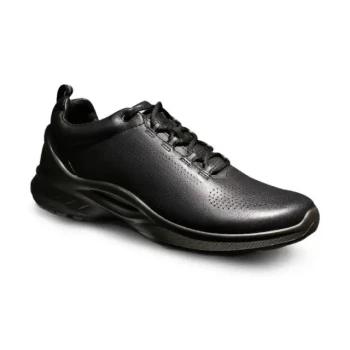
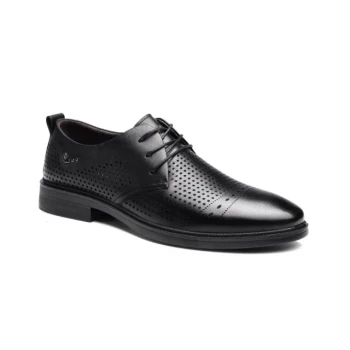
Postural stability in dress and formal shoes is primarily achieved through the integration of rigid shanks and precision-contoured footbeds. These internal components create a reinforced foundation that ensures body weight is distributed evenly across the foot's surface. By maintaining the foot's natural alignment, this structural design minimizes the muscular effort required to stay balanced, effectively reducing fatigue during extended professional use.
Precision-engineered structural components like rigid shanks are the "spine" of high-quality formal footwear, directly influencing wearer balance and comfort. For global distributors, partnering with a manufacturer that masters these biomechanical details at scale is the key to ensuring product reliability and reducing consumer dissatisfaction.
The Biomechanical Foundation of Stability
The Critical Role of Rigid Shanks
The rigid shank is a structural bridge placed between the insole and outsole, typically under the arch. This component prevents the shoe from folding or twisting in the middle, ensuring that the wearer's weight is transferred correctly from the heel to the ball of the foot.
Contoured Footbeds and Weight Distribution
Unlike flat, generic insoles, contoured footbeds are engineered to match the natural anatomy of the foot. This maximizes the contact area between the foot and the shoe, which evens out pressure points and provides a stable platform that prevents the foot from sliding or rolling internally.
Enhancing Professional Endurance
When the shoe structure supports the arch and stabilizes the heel, the small stabilizing muscles of the lower leg do not have to work as hard. This leads to improved postural control and reduces the risk of balance-related issues or long-term joint strain for professionals who spend hours on their feet.
Manufacturing Excellence at Global Scale
Legacy of Precision Since 1951
Building shoes that offer true postural stability requires a deep understanding of footwear anatomy developed over decades. Our heritage, dating back to 1951, allows us to blend traditional shoemaking principles with modern biomechanical requirements to produce superior formal footwear.
State-of-the-Art Production for B2B Volume
Maintaining the integrity of internal components like shanks requires state-of-the-art equipment and rigorous assembly standards. Our massive production scale ensures that every pair, whether in a small batch or a massive container load, meets the exact same structural specifications.
Comprehensive International Certifications
Stability is not just a design claim; it is a measurable quality standard verified through international certifications. Our manufacturing processes are audited to ensure that the materials used in our structural shanks and footbeds meet global durability and safety benchmarks.
Navigating the Trade-offs of Rigid Construction
Balancing Rigidity with Flexibility
While a rigid shank is vital for stability, too much rigidity can make the shoe feel stiff or "clunky." High-end manufacturing solves this by using materials that provide vertical support while allowing for natural forefoot flexion during the walking cycle.
Weight vs. Structural Integrity
High-quality support components often add weight to a shoe, which can be a concern for some markets. However, leveraging premium OEM/ODM capabilities allows for the use of lightweight composites that provide the necessary strength without the bulk of traditional steel shanks.
Cost Implications of Engineered Footbeds
Developing specialized contoured footbeds requires more complex tooling and higher material costs than flat foam inserts. While this increases the unit cost, the trade-off is a significantly lower return rate and higher brand loyalty due to superior wearer comfort.
How to Apply This to Your Product Strategy
Choosing the right structural profile for your formal shoe line depends on your specific market position and consumer needs.
- If your primary focus is premium brand positioning: Prioritize models with multi-material contoured footbeds and reinforced shanks to offer the highest level of biomechanical support and "out-of-the-box" comfort.
- If your primary focus is large-volume contract supply: Leverage our robust supply chain and massive production capacity to source shoes with standardized rigid shanks that provide consistent stability at a competitive price point.
- If your primary focus is specialized orthopedic or professional safety: Utilize our premium OEM/ODM capabilities to customize the internal architecture of the shoe to meet specific postural or medical requirements.
By prioritizing these structural foundations, you ensure that your footwear delivers the performance and stability required by today’s discerning professional clientele.
Summary Table:
| Structural Component | Primary Function | Stability Benefit |
|---|---|---|
| Rigid Shank | Bridges the insole and outsole | Prevents twisting; ensures proper heel-to-ball weight transfer |
| Contoured Footbed | Matches natural foot anatomy | Evens pressure distribution; prevents internal sliding/rolling |
| Reinforced Heel | Supports the rearfoot | Improves postural control and reduces long-term joint strain |
| Modern Composites | Vertical arch support | Provides high structural integrity without excessive weight |
Elevate Your Product Line with 3515 Manufacturing Excellence
Ensure your customers experience the perfect blend of elegance and postural stability. As a large-scale manufacturer serving distributors and brand owners since 1951, 3515 offers comprehensive production capabilities across all footwear categories. While anchored by our flagship Safety Shoes series, our expertise extends to premium Dress & Formal shoes, tactical boots, outdoor shoes, and sneakers to meet your diverse bulk requirements.
Why partner with 3515?
- Massive Production Scale: Robust supply chain stability and consistent large-volume delivery to keep your inventory moving.
- Premium OEM/ODM Capabilities: Customize internal architecture with precision shanks and contoured footbeds to meet specific market demands.
- Global Certifications: State-of-the-art equipment and international quality standards ensure product reliability and lower return rates.
Ready to scale your business with a heritage manufacturer?
Contact 3515 Today to Discuss Your Bulk Requirements
References
- José Daniel Jiménez‐García, Francisco Álvarez-Salvago. Associations of Balance, Strength, and Gait Speed with Cognitive Function in Older Individuals over 60 Years: A Cross-Sectional Study. DOI: 10.3390/app14041500
This article is also based on technical information from 3515 Knowledge Base .
Related Products
- Wholesale Leather Derby Dress Shoes Custom Manufacturer for Brands
- Wholesale Patent Oxford Dress Shoes | Custom & Bulk Manufacturing
- Wholesale Leather Derby Shoes Manufacturer | Customizable Business & Dress Footwear
- Classic Leather Derby Dress Shoes Wholesale & Custom Manufacturing
- Wholesale Comfort Dress Shoes with Dial Closure for Custom Manufacturing
People Also Ask
- What is the main difference between Derby Shoes and Oxford Shoes? It's All in the Lacing.
- What are the features and appropriate occasions for wearing derby shoes? A Guide to Versatile Style
- How do Derby shoes fit into business casual attire? Master the Perfect Balance of Professional Style
- What historical figure is associated with the Derby shoe? The Earl of Derby's Comfort Revolution
- What is the difference between Derby and Oxford shoes? A Guide to Choosing the Right Shoe