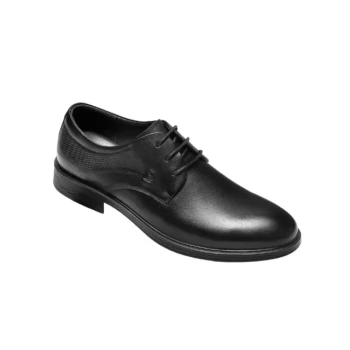
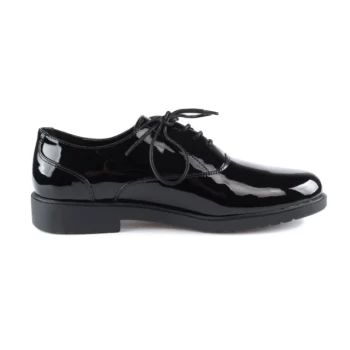
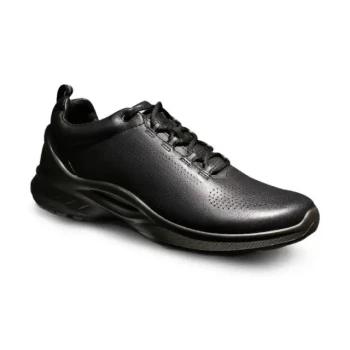
To properly maintain business casual shoes, you need a consistent routine focused on cleaning, conditioning, and allowing them to rest. For leather, this involves regular wipe-downs and using a dedicated leather cleaner, while for all types, rotating your shoes daily is the single most effective way to extend their life.
The goal of shoe maintenance is not just cleaning; it's about preserving the material's integrity and the shoe's structure. A proactive system protects your investment and ensures your footwear consistently projects a polished, professional image.
Why Maintenance Begins with Your Purchase
Before you can maintain a shoe, it's critical to understand what makes it worth maintaining in the first place. The quality of your shoes directly impacts their lifespan and response to care.
The Critical Role of Materials
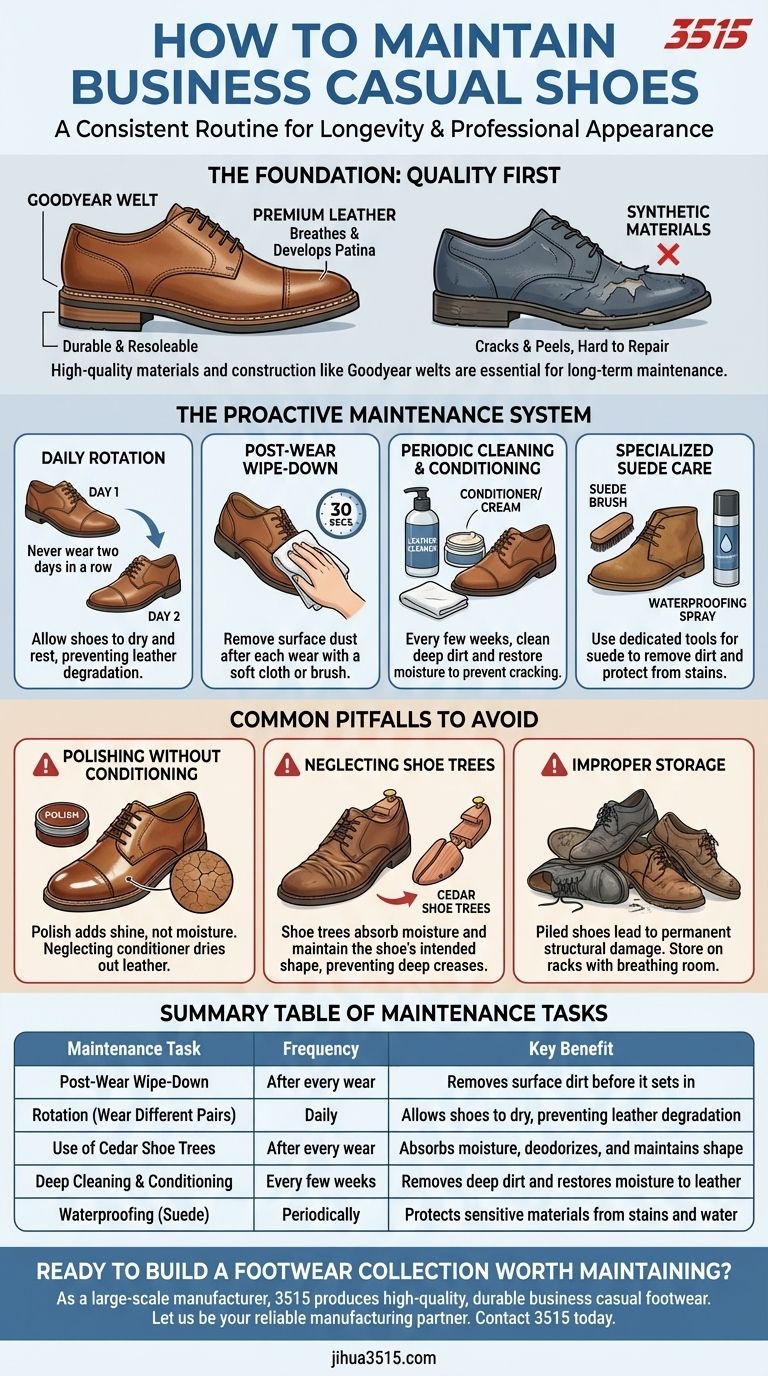
High-quality leather is the foundation of a durable business casual shoe. It breathes, conforms to your foot, and develops a unique patina over time. Cheaper, synthetic materials often crack, peel, and cannot be effectively repaired or conditioned.
Understanding Shoe Construction
Methods like a Goodyear welt are a hallmark of quality. This construction stitches the upper to the sole, making the shoe exceptionally durable and easy for a cobbler to resole. This feature turns a purchase into a long-term investment.
The Proactive Maintenance System
Effective shoe care is a system of small, regular habits, not infrequent, intensive cleanings.
The Principle of Rotation
Never wear the same pair of shoes two days in a row. Your feet release moisture throughout the day, which gets absorbed by the leather. Giving shoes a full day to dry prevents the leather from degrading and helps them retain their shape.
The Post-Wear Wipe-Down
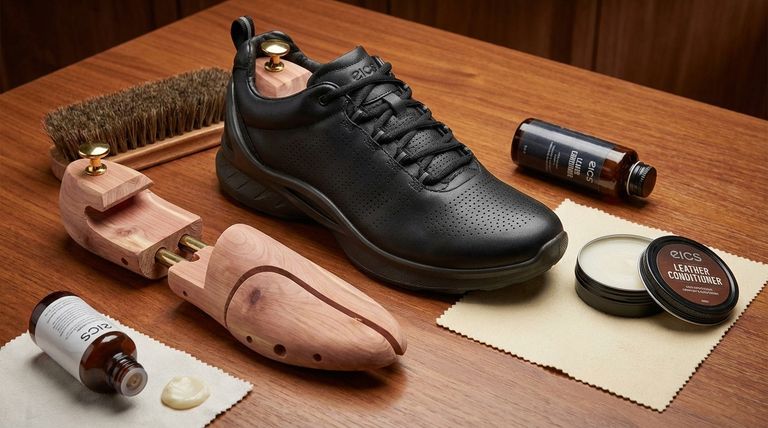
After each wear, take 30 seconds to wipe your shoes down with a soft cloth or horsehair brush. This removes surface dust and grime before it has a chance to settle into the leather, making deeper cleans less frequent and more effective.
Periodic Cleaning and Conditioning
For smooth leather shoes, use a small amount of leather cleaner on a soft cloth every few weeks to remove accumulated dirt. Follow this with a leather conditioner or cream to restore moisture and prevent the material from drying out and cracking.
Specialized Care for Suede
Suede shoes, like chukka boots, require different tools. Use a dedicated suede brush to remove dirt and restore the nap. A waterproofing spray should be applied periodically to protect the material from stains and moisture.
Common Pitfalls That Ruin Good Shoes
Many well-intentioned owners damage their shoes by focusing on the wrong things or skipping crucial steps.
Mistaking Polishing for Conditioning
Shoe polish adds color and shine, but it does not moisturize the leather. Over-polishing without conditioning can seal the leather's pores and cause it to become dry and brittle underneath.
Neglecting Shoe Trees
Shoe trees are the single best tool for preserving your footwear. Cedar shoe trees absorb residual moisture, deodorize the shoe, and, most importantly, help the shoe maintain its intended shape, dramatically reducing creasing.
Improper Storage
Piling shoes in a heap at the bottom of a closet is a recipe for scuffs, crushed structures, and permanent damage. Store them on a rack or shelf with enough space to breathe, ideally with shoe trees inserted.
How to Apply This to Your Footwear
Your maintenance routine should align with your primary goal for your footwear collection.
- If your primary focus is maximum longevity: Invest in Goodyear-welted shoes and make cedar shoe trees a non-negotiable habit after every single wear.
- If your primary focus is versatile style: Be diligent with preventative care for materials like suede by using a waterproofing spray before the first wear and brushing after each use.
- If your primary focus is a consistently sharp appearance: Master the 30-second post-wear wipe-down to ensure your shoes are always ready to go.
Ultimately, caring for your shoes is a direct reflection of your attention to detail and respect for your investment.
Summary Table:
| Maintenance Task | Frequency | Key Benefit |
|---|---|---|
| Post-Wear Wipe-Down | After every wear | Removes surface dirt before it sets in |
| Rotation (Wear Different Pairs) | Daily | Allows shoes to dry, preventing leather degradation |
| Use of Cedar Shoe Trees | After every wear | Absorbs moisture, deodorizes, and maintains shape |
| Deep Cleaning & Conditioning | Every few weeks | Removes deep dirt and restores moisture to leather |
| Waterproofing (Suede) | Periodically | Protects sensitive materials from stains and water |
Ready to Build a Footwear Collection Worth Maintaining?
As a large-scale manufacturer, 3515 produces a comprehensive range of high-quality footwear for distributors, brand owners, and bulk clients. Our production capabilities encompass all types of business casual shoes and boots, crafted with the durability and material integrity that makes proper maintenance a valuable long-term investment.
Let us be your reliable manufacturing partner. We ensure consistent quality, scalable production, and styles that meet your market's demands.
Contact 3515 today to discuss your footwear needs and receive a competitive quote.
Visual Guide
Related Products
- Wholesale Comfortable Business Casual Shoes Custom Manufacturing
- Dial Closure Leather Business Casual Shoes for Wholesale & Private Label
- Wholesale Leather Business Casual Shoes with Dial Closure - Manufacturer of Comfort Dress Sneakers
- Wholesale Modern Perforated Leather Derby Shoes with Chunky Sole for Custom Branding
- Custom Manufactured Air Cushion Leather Business Shoes for Wholesale
People Also Ask
- What are the key characteristics of business casual shoes? Achieve Polished Versatility for Your Wardrobe
- What should be considered when selecting shoes for a casual business setting? Achieve the Perfect Balance of Style and Comfort
- Which types of shoes should be avoided with business casual attire? Maintain a Polished Professional Image
- What is the recommended approach to trying on business casual shoes? Ensure a Perfect Fit for Your Workday
- What are some types of business casual shoes? Build a Versatile & Professional Footwear Wardrobe