Personal Protective Equipment (PPE) drives productivity by acting as a critical buffer against operational disruption. By providing a physical barrier against hazards like falls, electric shocks, and hazardous substances, PPE directly minimizes the frequency of severe accidents. This reduction in incidents translates into fewer lost workdays, preserving the momentum of the construction schedule and securing overall production efficiency.
While often viewed merely as a compliance requirement, PPE functions as a strategic asset that stabilizes project timelines. By preventing injuries, it eliminates the substantial downtime associated with lost labor, ensuring that production efficiency is maintained throughout the project lifecycle.
The Mechanics of Risk Reduction
Creating Physical Barriers
PPE works by inserting a tangible shield between the worker and the environment. This minimizes immediate physical threats such as falls from heights, electric shocks from live wires, or exposure to toxic chemicals.
Lowering Incident Frequency
The primary function of this gear is to reduce the actual incidence of accidents. When these physical barriers are in place, the number of reportable safety events drops significantly.
Transforming Safety into Efficiency
Preventing Lost Workdays
The most direct link between safety and productivity is the reduction of absenteeism. By preventing injuries, PPE ensures that skilled labor remains available and active on the job site rather than recovering off-site.
Ensuring Schedule Continuity
Construction projects rely on tight, sequential schedules where one delay can ripple through the entire timeline. Keeping the workforce healthy prevents the sudden gaps in labor that pause critical path activities.
Improving Production Efficiency
When the construction schedule remains uninterrupted by accidents, overall efficiency increases. Resources are utilized for building rather than managing crisis responses or accident investigations.
Understanding the Trade-offs
Initial Speed vs. Long-term Stability
Donning and maintaining proper PPE requires a small investment of time at the start of a shift. While this may seem like a minor pause in workflow, it prevents the massive, indefinite stoppages caused by serious injuries.
Equipment Quality and Mobility
It is important to note that poorly fitted or low-quality PPE can restrict movement and inadvertently slow down workers. To maintain productivity, the gear selected must offer maximum protection without becoming a physical encumbrance.
Optimizing Your Safety Strategy
To leverage PPE for maximum productivity, assess your project goals:
- If your primary focus is Schedule Adherence: Prioritize PPE compliance to prevent the workforce gaps that cause project slippage.
- If your primary focus is Cost Control: View PPE investment as a proactive measure to avoid the high indirect costs of lost labor and stalled production.
Ultimately, effective use of PPE transforms safety from a regulatory obligation into a fundamental engine for operational continuity.
Summary Table:
| Productivity Factor | Impact of Proper PPE Usage | Benefit to Construction Project |
|---|---|---|
| Labor Availability | Minimizes injuries and absenteeism | Maintains skilled workforce on-site |
| Project Timeline | Prevents major accident-related stoppages | Ensures consistent schedule continuity |
| Cost Management | Reduces indirect costs of labor gaps | Maximizes ROI on production resources |
| Operational Flow | Stabilizes sequential work phases | Eliminates delays in critical path activities |
| Risk Mitigation | Provides physical barriers to hazards | Lowers incident frequency and investigations |
Maximize Your Project Efficiency with Premium Safety Footwear
Don't let preventable injuries derail your construction timeline. At 3515, we understand that high-quality PPE is a strategic investment in your operational stability. As a leading large-scale manufacturer serving global distributors and brand owners, we offer comprehensive production capabilities to equip your workforce for success.
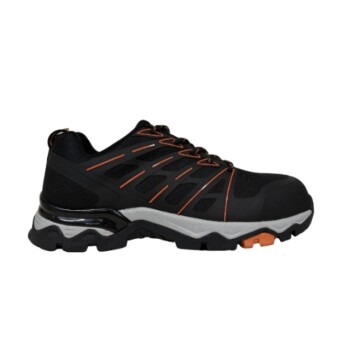
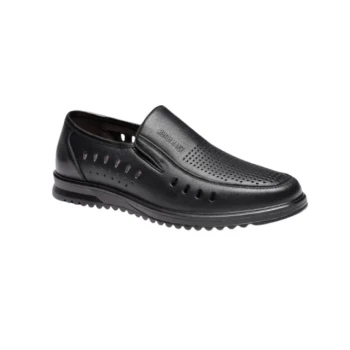
Our flagship Safety Shoes series is engineered to provide maximum protection without compromising mobility, ensuring your team stays productive and safe. Beyond safety boots, our extensive portfolio includes tactical boots, outdoor shoes, and formal footwear to meet all your bulk requirements.
Ready to secure your supply chain with a reliable manufacturing partner?
Contact Us Today to Discuss Your Bulk Requirements
References
- Karim El-Dash, Rasha Mohammed Salih. AN INTENSIVE REVIEW ON HEALTH AND SAFELY FACTORS AFFECTING CONSTRUCTION PROJECTS' PRODUCTIVITY. DOI: 10.21608/auej.2022.216593
This article is also based on technical information from 3515 Knowledge Base .
Related Products
- Wholesale Safety Boots Manufacturer for Custom & Private Label Orders
- Heavy-Duty Waterproof Nubuck Safety Boots Safety Shoes for Bulk Supply
- Premium Lightweight Safety Shoes for Wholesale & Bulk Orders
- Premium KPU Athletic Safety Shoes for Wholesale
- Premium Suede Sport Safety Shoes for Wholesale & Bulk Orders
People Also Ask
- Why is proper storage important for safety boots? Preserve Protection and Extend Lifespan
- How should safety boots be cleaned to avoid damage? A Gentle Guide to Preserve Your Boots
- What are the risks of using ordinary rubber boots in forest clearing? Why professional safety boots are essential
- What are the key features of safety boots? Essential Protection for Hazardous Workplaces
- What are the consequences of not wearing safety boots? Protect Your Finances and Career