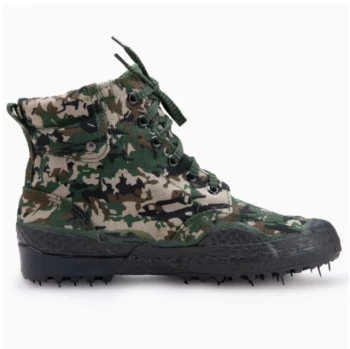
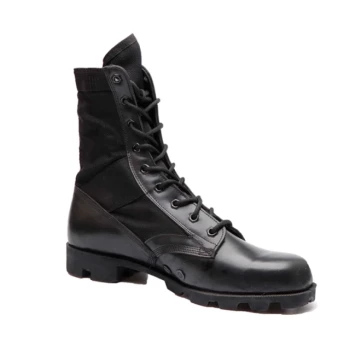
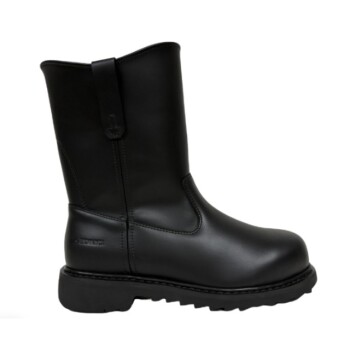
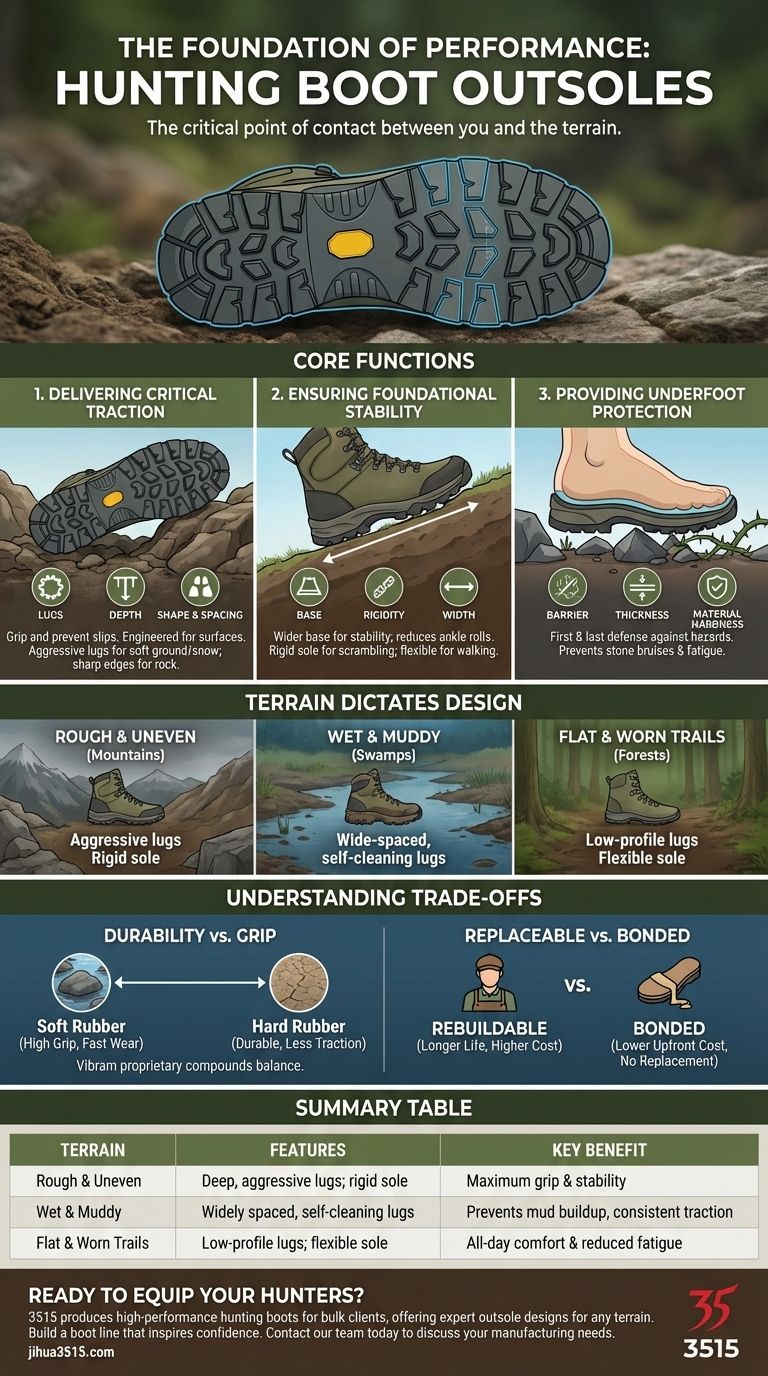
At its core, the outsole is the single most critical point of contact between you and the terrain. It dictates your boot's performance by providing essential traction for grip, a stable platform for support, and a protective barrier against ground hazards. The design and material of the outsole directly influence your safety, stability, and effectiveness in the field.
The hunting boot outsole is not just the bottom layer of rubber; it is a specialized tool designed to interface with a specific environment. Matching the outsole's characteristics—like lug pattern, depth, and material composition—to your primary hunting terrain is the most important factor for ensuring performance.
The Three Core Functions of an Outsole
A well-designed outsole must masterfully balance three distinct but interconnected jobs. How it handles each one determines its suitability for your specific needs.
Delivering Critical Traction
Traction is the outsole's ability to grip the ground and prevent slips. This is achieved through the lugs—the protruding patterns on the bottom of the boot.
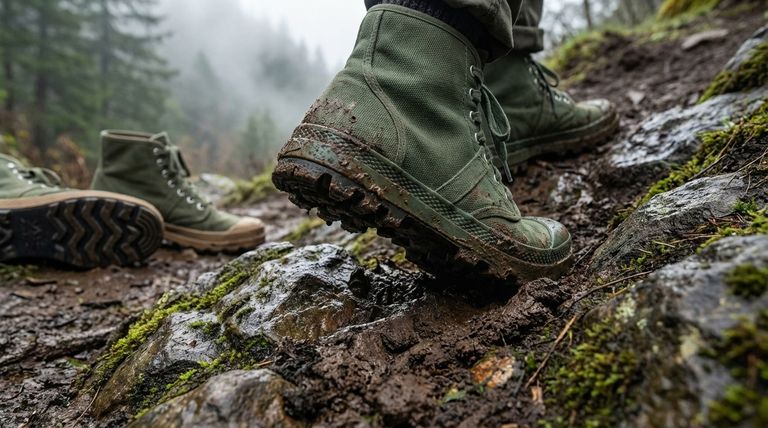
The depth, shape, and spacing of these lugs are engineered for different surfaces. Deep, aggressive lugs excel at digging into soft ground like mud or snow, while a higher number of sharp-edged lugs provides more contact points for gripping rock.
Ensuring Foundational Stability
The outsole forms the base of the entire boot platform. A wider outsole creates a more stable foundation, reducing the likelihood of ankle rolls on uneven or side-hill terrain.
The outsole's rigidity also works in tandem with the boot's midsole. A stiff outsole provides the stability needed for scrambling on rocky edges, while a more flexible design allows for a more natural walking motion on flatter ground.
Providing Underfoot Protection
The outsole is your first and last line of defense against the ground. Its thickness and material hardness shield your foot from sharp rocks, thorns, and other puncture hazards.
This protective function prevents stone bruises and foot fatigue, allowing you to cover more ground comfortably and safely.
How Terrain Dictates Outsole Design
There is no single "best" outsole. The ideal design is always a direct response to the demands of the environment you will be in most often.
For Rough and Uneven Terrain
Hunters in mountainous or rocky regions need boots with highly aggressive, deep lugs. These designs provide maximum grip when climbing or descending steep, loose ground. A rigid sole is critical here for support and to prevent foot fatigue.
For Wet and Muddy Environments
When hunting in swamps, marshes, or consistently wet conditions, the key is an outsole with widely spaced lugs. This design prevents mud from packing into the tread, which would turn the sole into a slick, useless surface. The goal is to shed debris with every step to maintain grip.
For Flat or Worn Trails
If your hunting involves long walks on flat ground or well-established trails, a less aggressive outsole is superior. Lighter, more flexible boots with lower-profile lugs will be significantly more comfortable and cause less fatigue over long distances on predictable surfaces.
Understanding the Trade-offs
Choosing an outsole always involves balancing competing characteristics. Understanding these compromises is key to making an informed decision.
Durability vs. Grip
The rubber compound of the outsole is a crucial factor. Softer rubber compounds provide exceptional grip, especially on wet rock, but they wear down much faster.
Harder rubber compounds are far more durable and will last longer, but they may offer less traction on slick surfaces. Brands like Vibram are well-known for creating proprietary compounds that seek to find the optimal balance between these two qualities.
Replaceable vs. Bonded Outsoles
Some high-end boots are "rebuildable," meaning a worn-out outsole can be replaced by a cobbler or the manufacturer. This significantly extends the total lifespan of the boot.
However, this feature typically comes with a higher initial purchase price compared to boots with a permanently bonded outsole. You are trading a higher upfront cost for long-term value.
Making the Right Choice for Your Hunt
Your decision should be guided by a realistic assessment of where and how you hunt.
- If your primary focus is steep, rocky mountains: Prioritize boots with aggressive, deep lugs and a rigid sole for maximum traction and edging capability.
- If your primary focus is wet, muddy lowlands: Look for outsoles with widely spaced lugs that can shed mud effectively to maintain constant grip.
- If your primary focus is flat ground or established trails: Opt for a more flexible boot with a less aggressive outsole for greater all-day comfort and reduced fatigue.
Ultimately, choosing the right outsole is about ensuring your equipment gives you a confident and secure connection to the ground beneath your feet.
Summary Table:
| Terrain Type | Recommended Outsole Features | Key Benefit |
|---|---|---|
| Rough & Uneven | Deep, aggressive lugs; rigid sole | Maximum grip and stability for climbing |
| Wet & Muddy | Widely spaced, self-cleaning lugs | Prevents mud buildup for consistent traction |
| Flat & Worn Trails | Low-profile lugs; flexible sole | All-day comfort and reduced fatigue |
Ready to Equip Your Hunters with the Perfect Boot?
As a large-scale manufacturer, 3515 produces a comprehensive range of high-performance hunting boots for distributors, brand owners, and bulk clients. Our expertise in outsole design—from aggressive lug patterns for mountains to self-cleaning soles for swamps—ensures your customers get the traction, stability, and durability they need for any terrain.
Let us help you build a boot line that inspires confidence in the field. Contact our team today to discuss your manufacturing needs.
Visual Guide
Related Products
- Wholesale Waterproof Tactical Boots Custom Suede & High-Traction Soles
- Wholesale Lightweight Tactical Boots Custom Manufacturer for Desert & Combat Use
- Wholesale Leather Ankle Boots with Lug Soles for Custom Brand Manufacturing
- High-Traction Suede Tactical Boots Wholesale & Custom Manufacturing
- Durable Leather Tactical Boots Wholesale & Custom Manufacturing for Brands
People Also Ask
- What waterproof technology is used in tactical boots? Unlock All-Weather Performance & Protection
- What are the advantages and disadvantages of waterproof tactical boots? A Guide to the Key Trade-Offs
- What is the significance of waterproof functionality in tactical boots? Essential for Health & Performance
- What is the role of professional 3D medical imaging software in optimizing tactical boot design and performance?
- What features enhance breathability and comfort in tactical boots? A Guide to Superior Footwear Performance