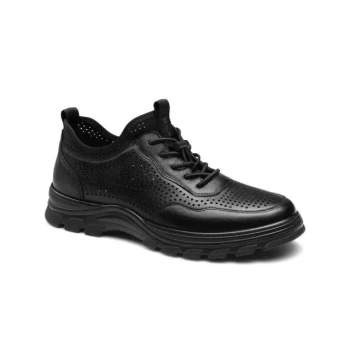
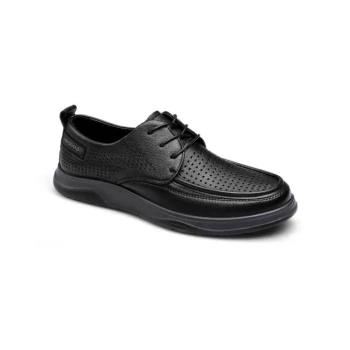
Strategic color application acts as a precise visual simulation tool. By utilizing specific tones like deep river green, footwear designers can mimic natural elements to establish distinct mental associations with specific ecosystems, such as freshwater environments. This approach goes beyond simple aesthetics to actively strengthen product uniqueness.
The use of specific color schemes is a strategic mechanism for differentiation. It transforms a physical product into a storytelling device, reinforcing uniqueness and anchoring the item within a specialized brand narrative.
The Mechanics of Visual Simulation
Mimicking Natural Elements
Specific hues are chosen not for their general appeal, but for their ability to replicate exact tones found in nature.
Deep river green, for instance, serves to visually simulate the organic characteristics of freshwater environments. This creates an authentic visual texture that standard commercial colors often lack.
Establishing Mental Associations
The goal of this color strategy is to trigger a cognitive link between the viewer and the intended environment.
By using ecosystem-specific tones, designers help consumers intuitively understand the product's context. The color itself communicates the intended setting, such as a riverbank or forest, without the need for explicit text.
Strategic Brand Positioning
Strengthening Product Uniqueness
In a market saturated with standard colorways, specific nature-mimicking tones provide necessary differentiation.
A unique shade effectively separates a product series from competitors. It establishes a visual identity that is difficult to replicate, making the product instantly recognizable.
Reinforcing Brand Narrative
Color acts as a unifying thread that ties a product to the brand's broader story.
When a design employs a deliberate tone like deep river green, it reinforces the product's role within a specialized narrative. It signals that the footwear is part of a curated series designed with a specific intent or inspiration in mind.
Understanding the Trade-offs
Niche Appeal vs. Versatility
While specific color schemes create strong identities, they can sometimes limit the product's versatility.
A color deeply rooted in a specific ecosystem narrative, such as a murky river green, may not appeal to general mass-market consumers. These tones often perform best within niche markets that value the specific environmental connection.
Context Dependency
The impact of these color schemes relies heavily on the consumer grasping the underlying theme.
If the "freshwater environment" narrative is not clearly communicated through marketing or design cues, the color choice may appear arbitrary. The strategy requires the visual simulation to be distinct enough to carry the story on its own.
Making the Right Choice for Your Design Strategy
To effectively leverage specific color schemes in your product series, consider your ultimate objective:
- If your primary focus is brand storytelling: Utilize distinct, nature-mimicking tones to build an immediate visual link between the product and its environmental inspiration.
- If your primary focus is market differentiation: Leverage unique, non-standard shades to visually separate your series from competitors relying on traditional palettes.
Effective color usage transforms footwear from a simple accessory into a cohesive element of a broader environmental experience.
Summary Table:
| Strategic Benefit | Functional Outcome | Brand Impact |
|---|---|---|
| Visual Simulation | Replicates natural textures and freshwater tones | Establishes authentic environmental context |
| Mental Association | Triggers cognitive links to specific ecosystems | Intuitive communication of product setting |
| Differentiation | Breaks away from standard commercial palettes | Enhances product uniqueness and recognition |
| Narrative Anchoring | Unifies the product series through storytelling | Strengthens specialized brand positioning |
Elevate Your Footwear Series with 3515 Manufacturing Expertise
As a large-scale manufacturer serving distributors and brand owners, 3515 offers comprehensive production capabilities to bring your unique design visions to life. Whether you are looking to implement complex color narratives like deep river green or require high-performance construction, our flagship Safety Shoes series and extensive portfolio—including tactical boots, outdoor shoes, training sneakers, and formal dress shoes—provide the perfect foundation for your bulk requirements.
Partner with us to transform your creative concepts into market-ready products that stand out. Contact us today to discuss your production needs and see how our heritage of manufacturing excellence can grow your brand.
References
- Fábio Shimabukuro Sandes. How fashion brands can use concepts from Postmodernism theory to plan, create, produce, and post images on their social media channels. DOI: 10.15406/jteft.2023.09.00331
This article is also based on technical information from 3515 Knowledge Base .
Related Products
- Lightweight Breathable Training Shoes for Wholesale & Custom OEM Manufacturing
- Wholesale Durable Camouflage Canvas Shoes with High-Traction Cleated Rubber Sole
- Wholesale Breathable Training Shoes Custom Athletic Footwear Manufacturer
- Durable Leather High-Ankle Tactical Boots for Wholesale & Custom Manufacturing
- Premium Lightweight Safety Shoes for Wholesale & Bulk Orders
People Also Ask
- Why are lightweight training shoes often preferred over professional hiking boots in urban walking? Maximize City Comfort
- What is the primary role of specialized training or orthopedic shoes? Enhance Safety in Elderly Balance Training
- Why are professional-grade training shoes essential for physical therapy? Ensure Patient Safety and Gait Stability
- Why are the slip-resistance and stability performance of training shoes critical in gait analysis? Ensure Data Accuracy
- Why is the use of flat-soled or professional training shoes essential for WBV? Maximize Vibration Energy Transfer