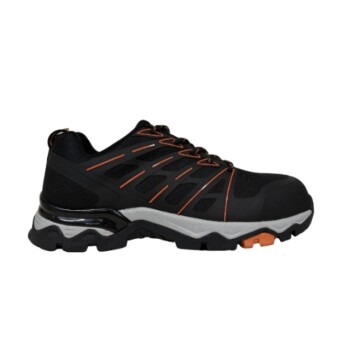
Single Minute Exchange of Die (SMED) technology facilitates footwear production by systematically optimizing mechanical preparation to drastically reduce the time required to switch molds. By minimizing the idle downtime associated with transitioning equipment—such as changing setups from safety shoes to tactical boots—SMED ensures that injection molding and stamping machinery spend more time producing and less time waiting.
SMED transforms footwear manufacturing from a rigid process into an agile operation. By slashing changeover times, it allows factories to handle diverse bulk orders efficiently while simultaneously lowering energy consumption and labor costs.
The Mechanics of Rapid Transition
Minimizing Equipment Downtime
In traditional footwear manufacturing, changing a mold often requires shutting down the production line for extended periods. SMED technology targets this "idle waiting time," ensuring that injection molding or stamping equipment is paused for the shortest possible duration.
Streamlining Mechanical Preparation
The core function of SMED is the optimization of the preparation process. It focuses on performing as many preparation steps as possible while the machine is still running the previous batch, so the actual mechanical switch is nearly instantaneous.
Operational Agility and Flexibility
Adapting to Diverse Specifications
Modern footwear demands require factories to produce various styles, such as transitioning rapidly from safety shoes to tactical boots. SMED enables manufacturers to execute these shifts seamlessly, accommodating different specifications without major disruptions to the workflow.
Responsiveness to Bulk Orders
With reduced changeover times, manufacturers gain the flexibility to accept and process varied bulk orders. This agility allows the production line to pivot quickly based on immediate market demands rather than being locked into long runs of a single product type.
Economic and Environmental Efficiency
Reducing Labor Costs
Frequent machine adjustments and long changeover periods are labor-intensive. By automating and simplifying these transitions, SMED reduces the man-hours required for mechanical adjustments, directly lowering labor costs.
Lowering Energy Consumption
Idle machinery often continues to draw power even when not producing shoes. By significantly cutting the time machines spend in a non-productive state, SMED reduces the overall energy consumption associated with the manufacturing process.
Understanding the Implementation Challenges
The Need for Process Analysis
While SMED offers significant efficiency gains, it requires a rigorous initial analysis of existing mechanical processes. Manufacturers must invest time in identifying which steps can be externalized (done while the machine is running) versus internalized (done while stopped).
Standardization Requirements
To achieve the speed promised by SMED, mold connections and settings must be highly standardized. This may require upfront tooling adjustments to ensure that different molds (e.g., for boots vs. shoes) interface uniformly with the equipment.
Optimizing Your Footwear Production Strategy
To determine how best to leverage SMED for your specific production goals, consider the following:
- If your primary focus is Market Agility: Utilize SMED to enable smaller batch runs, allowing you to switch between high-demand styles like tactical boots and safety shoes daily without efficiency loss.
- If your primary focus is Cost Reduction: Implement SMED to minimize machine idling, thereby cutting the compounded costs of wasted energy and operator downtime during frequent changeovers.
By mastering the transition between molds, you convert the downtime of today into the production capacity of tomorrow.
Summary Table:
| Benefit Category | Impact of SMED in Footwear Production | Key Outcomes |
|---|---|---|
| Equipment Utilization | Drastically reduces idle waiting time during mold swaps | Increased daily output |
| Operational Agility | Seamlessly switch between safety shoes and tactical boots | Faster response to market demands |
| Production Costs | Minimizes labor-intensive mechanical adjustments | Lower overhead and energy use |
| Process Stability | Standardizes setup procedures across different molds | Consistent quality and fewer errors |
Maximize Your Production Agility with 3515
As a large-scale manufacturer serving global distributors and brand owners, 3515 leverages advanced manufacturing technologies like SMED to deliver unparalleled efficiency across all footwear types. Whether you require high-volume Safety Shoes, rugged Tactical Boots, or specialized Dress & Formal footwear, our comprehensive production capabilities ensure your bulk orders are processed with minimal lead times and maximum cost-effectiveness.
Partner with a manufacturer that turns downtime into your competitive advantage. Contact us today to discuss your bulk requirements and see how our flagship series and agile production can grow your brand.
References
- Alvarez-Mosquera Pedro José, Pedro Guerrero. Lean Manufacturing Tools for Operations Management Based on PDCA Cycle. DOI: 10.46254/in03.20230094
This article is also based on technical information from 3515 Knowledge Base .
Related Products
- Premium Suede Sport Safety Shoes for Wholesale & Bulk Orders
- Premium Lightweight Safety Shoes for Wholesale & Bulk Orders
- Wholesale Anti-Smash & Puncture-Proof Safety Shoes Custom Manufacturing for Brands
- Premium KPU Injection Athletic Style Safety Shoes
- Premium Safety Shoes with Rotating Buckle Safety Sneakers
People Also Ask
- What industries have specific OSHA footwear requirements? Ensure Compliance & Protect Your Workforce
- What are the primary functions of professional safety shoes? Maximize Safety in Water Supply Confined Spaces
- What role do specialized safety shoes play in preventing falls? Engineering Stability in Industrial Environments
- What are the technical advantages of integrating sensors into safety shoes? Achieve Superior Motion Capture Precision
- How do complex outsole tread designs in safety shoes work with coated floors? Master Slip Resistance Engineering