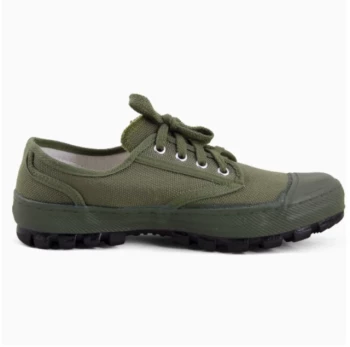
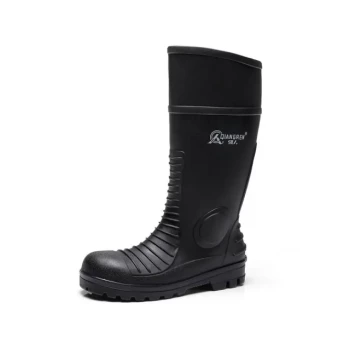
The strategic engineering of outsole tread design dictates the functional limits of outdoor work footwear by balancing traction, fluid displacement, and self-cleaning efficiency. For enterprise-level distributors and brand owners, understanding these design mechanics is essential for delivering products that ensure worker safety across varied terrains—from muddy construction sites to oil-slicked industrial floors.
Effective outsole design is a high-stakes balance between aggressive grip and debris management. For B2B resellers, the value lies in a manufacturer's ability to engineer specific lug geometries and drainage channels that meet international safety certifications while maintaining mass-production consistency.
Engineering Traction: The Mechanics of Surface Grip
Multi-Directional Lugs and Terrain Adaptability
Deep, multi-directional lugs are the foundation of stability on uneven or steep surfaces. These aggressive patterns allow the footwear to "bite" into soft ground, providing the necessary friction for off-road work environments.
The depth and shape of these lugs are adjusted during the manufacturing process to provide maximum stability. This ensures that movement remains efficient and safe even in complex, unpredictable outdoor conditions.
Fluid Drainage and Slip Resistance
In environments where water or oil is present, tread patterns act as drainage channels. Grooves are designed to rapidly expel liquids from the contact area between the shoe and the floor.
Using specialized geometries like hexagonal or circular patterns prevents liquid from being trapped under the sole. This displacement is critical to preventing hydroplaning and ensuring a stable grip on coated or smooth industrial surfaces.
Material Synergy and Physical Friction
The utility of a tread design is inseparable from its material composition, typically utilizing rubber, thermoplastic rubber (TPR), or gum rubber. These materials provide the high friction coefficient necessary for durability and grip.
While the toe and heel sections require wear-resistant composites for longevity, the arch area often utilizes a split-sole design. This ensures the flexibility required for natural foot rolling movements without compromising the shoe's structural integrity.
Manufacturing Precision and Scalability
Heritage-Backed Design Expertise
Producing high-performance outsoles requires a deep technical lineage. Since 1951, advanced manufacturing has evolved to integrate complex tread geometries with international safety certifications.
For B2B partners, this heritage translates to a proven track record of engineering footwear that survives rigorous field use. It ensures that every design choice is backed by decades of performance data and material science.
Advanced OEM/ODM Capabilities
State-of-the-art equipment allows for the precision molding of multi-scale friction interfaces. This level of detail is necessary to create the synergy between surface roughness and drainage grooves required for professional-grade safety.
Massive production scale ensures that these complex designs can be delivered in large volumes without a dip in quality. This stability is vital for distributors who require consistent product performance across global supply chains.
Understanding the Trade-offs
The Challenge of Debris Retention
A significant technical trade-off exists in tread depth: while deeper treads offer superior traction, they are more prone to trapping mud and debris. This can lead to "clogging," which eventually smooths out the sole and reduces grip.
High-quality outdoor footwear must be engineered to balance this slip resistance with efficient debris shedding. Tread spacing must be calculated to allow for easy cleaning, often designed so that mud is naturally expelled during movement or hosing.
Flexibility vs. Stability
There is a constant tension between the thickness of the sole and the flexibility required for comfort. A sole that is too rigid may provide excellent protection but will cause fatigue during long shifts.
The goal is to find a "sweet spot" where the outsole is thick enough to resist punctures and provide traction, yet flexible enough to support the wearer’s natural gait. Achieving this balance requires precision engineering and high-grade material selection.
Making the Right Choice for Your Goal
When selecting or developing outdoor work footwear for your inventory, consider the specific environmental challenges your end-users face:
- If your primary focus is slippery, wet, or oily surfaces: Prioritize tread designs with deep drainage channels and hexagonal patterns that maximize fluid displacement.
- If your primary focus is soft, muddy, or uneven terrain: Opt for aggressive, multi-directional lugs that provide deep penetration and stability.
- If your primary focus is high-volume industrial reliability: Ensure your manufacturer has the state-of-the-art equipment and certifications (ISO/CE) to deliver consistent tread precision at scale.
Superior outsole design is the intersection of historical engineering expertise and modern manufacturing precision, ensuring every step is secure regardless of the environment.
Summary Table:
| Tread Design Element | Functional Utility | Ideal Work Environment |
|---|---|---|
| Deep Multi-Directional Lugs | Maximum grip and off-road stability | Muddy, uneven, or soft terrain |
| Drainage Channels | Rapid fluid displacement & slip resistance | Wet, oily, or smooth industrial floors |
| Specialized Geometries | Prevents hydroplaning and debris clogging | High-debris zones and chemical plants |
| Material Synergy (Rubber/TPR) | High friction coefficient and durability | Heavy-duty construction and demolition |
| Flexible Arch Design | Reduces fatigue while maintaining protection | Long-shift industrial and tactical use |
Partner with a Global Leader in Footwear Manufacturing
As a large-scale manufacturer serving distributors and brand owners since 1951, 3515 offers comprehensive production capabilities across all footwear categories. Our flagship Safety Shoes series is engineered with precision tread designs that meet rigorous international certifications, ensuring your customers receive professional-grade protection.
Why choose 3515?
- Unmatched Heritage: Decades of expertise in tactical, outdoor, and training footwear.
- Massive Scale: Robust supply chain stability for consistent, high-volume delivery.
- Premium OEM/ODM: State-of-the-art equipment to bring your custom designs to market with high profit margins.
- Diverse Portfolio: From tactical boots and sneakers to Dress & Formal shoes, we meet all bulk requirements.
Ready to elevate your inventory with industry-leading outsole technology?
Contact us today to discuss your bulk requirements
Related Products
- Durable Rubber Sole Outdoor Shoes Wholesale & Custom Manufacturing
- Durable Rubber-Soled Utility Shoes for Wholesale & Custom Brand Manufacturing
- Durable Canvas Work Shoes with Rubber Lug Sole | Wholesale Manufacturer
- Durable Goodyear Welt Leather Work Boots for Wholesale & Private Label
- Durable Leather Moc Toe Work Boots for Wholesale & Custom Manufacturing
People Also Ask
- What is the function of the sole in outdoor shoes? Find the Perfect Grip and Support
- What role do outdoor shoes and sneakers play in navigating external terrains? Engineered Stability for Every Surface
- How is AI utilized in the design of outdoor and safety footwear? Harnessing Big Data for Market-Driven Shoe Innovation
- Why is durability important when selecting outdoor shoes? A Guide to Safety & Long-Term Value
- What are the key components of outdoor shoes that affect comfort and sturdiness? A Guide to Durable, High-Performance Footwear