An electronic Metronome standardizes muscle endurance testing by establishing a non-negotiable rhythm, typically set at 80 beats per minute, which dictates the exact pace of movement for assessments like the two-minute push-up. By forcing every participant to adhere to this specific tempo, the device eliminates the variable of repetition speed, ensuring that the test evaluates pure upper-body muscle endurance rather than explosive power or pacing strategy.
In high-stakes environments, physical testing must be objective rather than subjective. The metronome acts as a scientific control, ensuring that performance metrics reflect true professional adaptability and the capacity to sustain effort while wearing heavy equipment like safety boots.
Establishing a Scientific Baseline
The Role of Fixed Rhythm
To accurately measure endurance, test administrators must control the cadence of the exercise. An electronic metronome provides a consistent auditory cue—such as 80 beats per minute—that governs the speed of the assessment.
For a two-minute push-up test, this rhythm dictates exactly when the subject must lower their body and when they must return to the starting position. This prevents candidates from "gaming" the test by moving too quickly or resting strategically between repetitions.
Eliminating Speed Variables
Without a standardized tempo, stronger individuals might sprint through repetitions to achieve a high score before fatigue sets in. Conversely, others might move slowly to conserve energy.
The metronome removes these discrepancies. By standardizing the rate of movement, the test isolates upper-body muscle endurance as the sole variable being measured.
Assessing Performance Under Load
The "Safety Boot" Factor
Personnel preparing for high-intensity duty rarely operate in athletic wear; they operate in protective gear. Testing endurance while wearing safety boots adds a critical layer of realism to the assessment.
The metronome ensures that the added weight and leverage of the boots are managed at a consistent pace. This reveals how the candidate handles the specific physical drag of their equipment over a sustained period.
Measuring Professional Adaptability
Beyond raw fitness, this testing method evaluates a candidate's potential for professional growth and readiness. It measures professional adaptability—the ability to perform controlled, standard movements under stress.
If a candidate can maintain the metronome's pace while wearing tactical gear, it demonstrates they possess the specific type of durability required for their operational environment.
Understanding the Limitations
Rhythm Failure vs. Muscle Failure
One trade-off of using a metronome is that it introduces a cognitive and coordination element to a physical test. A candidate might be physically capable of more repetitions but fails the test because they lose the beat.
In this scenario, the test may technically record a failure to adhere to the standard, even if the candidate possesses sufficient raw muscle endurance.
Rigid Pacing Constraints
A fixed pace of 80 beats per minute applies the same standard to all personnel, regardless of biomechanics. Taller individuals with longer levers move a greater distance per beat than shorter individuals.
While this ensures standardization, it means the intensity of effort can vary slightly between body types, even if the rhythm remains identical.
Making the Right Choice for Your Goal
Whether you are designing a training regimen or preparing for a qualification exam, understanding the role of the metronome is vital.
- If your primary focus is Passing the Assessment: Train specifically with a metronome at 80 bpm to build the neuromuscular coordination required to lock into the rhythm without thinking.
- If your primary focus is Operational Readiness: Practice high-repetition endurance drills while wearing safety boots to acclimatize your muscles to the specific drag and weight of your duty gear.
True preparedness comes from mastering the rhythm of the test while carrying the weight of the job.
Summary Table:
| Feature | Metronome Standardization (80 BPM) | Traditional Free-Paced Testing |
|---|---|---|
| Primary Metric | Pure Muscle Endurance | Explosive Power & Pacing Strategy |
| Consistency | High - Eliminates speed variables | Low - Varies by individual pace |
| Equipment Load | Accounts for Safety Boot weight drag | Often ignores gear-specific physics |
| Evaluation Goal | Professional Adaptability & Control | Maximum Repetition Count |
| Key Constraint | Rigid Auditory Rhythm | Subjective Biomechanics |
Elevate Your Operational Standards with 3515 Footwear
As a leading large-scale manufacturer serving global distributors and brand owners, 3515 delivers the high-performance footwear necessary to pass the most rigorous endurance tests. Our flagship Safety Shoes series and tactical boots are engineered to balance protective durability with the ergonomic precision required to maintain peak performance under metronome-controlled standards.
From training sneakers to formal dress shoes, we provide comprehensive production capabilities to meet your bulk requirements and enhance your brand's value. Contact us today to explore our partnership opportunities and secure footwear that stands up to the rhythm of duty.
References
- Robert G. Lockie, Tomas J. Ruvalcaba. Body Composition and Fitness Characteristics of Firefighters Participating in a Health and Wellness Program: Relationships and Descriptive Data. DOI: 10.3390/ijerph192315758
This article is also based on technical information from 3515 Knowledge Base .
Related Products
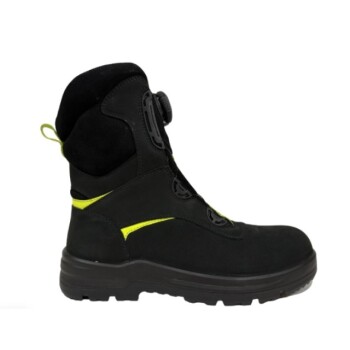
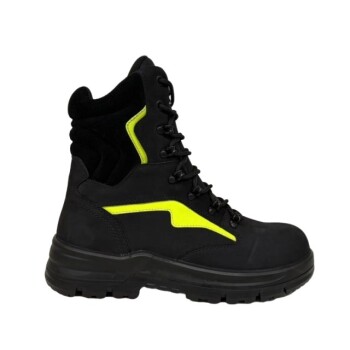
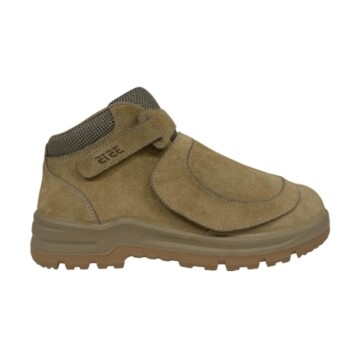
- Puncture-Resistant Velcro Safety Boots for Wholesale & Custom Manufacturing
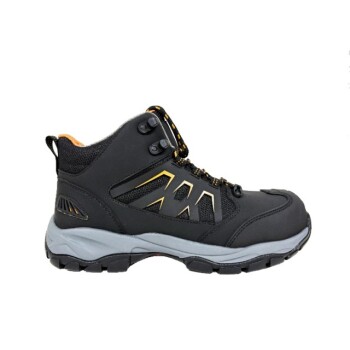
- Wholesale Durable Safety Boots | Custom Steel Toe & Puncture-Resistant Manufacturing
- Premium Grain Leather Safety Boots for Bulk Supply
- Heavy-Duty Waterproof Nubuck Safety Boots Safety Shoes for Bulk Supply
- Premium High-Cut Waterproof Safety Boots Manufacturing & Wholesale Solutions
People Also Ask
- Why are industrial safety boots with steel toes necessary for machine operators? Essential Foot Protection for Safety
- What are the characteristics of steel toe safety boots? Maximum Protection, Key Trade-offs
- Is it true that steel toes can cause toes to get cut off? Debunking the Dangerous Myth
- What are the primary safety functions of safety boots with steel-toe designs? Essential Protection for Industry
- What do the symbols M, F, I, and C represent on safety toe boots? Decode ASTM F2413 for Maximum Protection