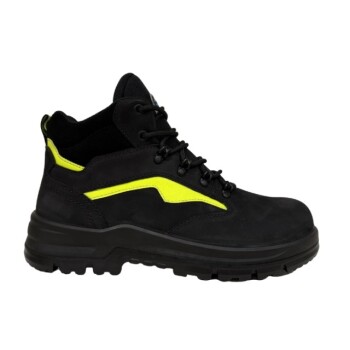
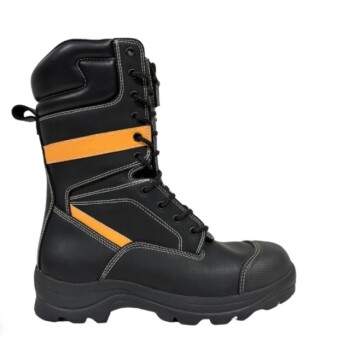
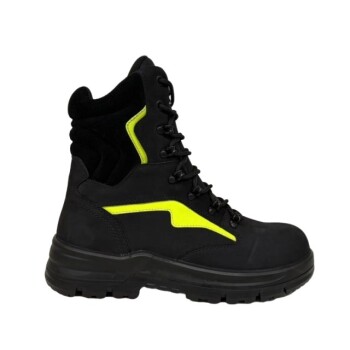
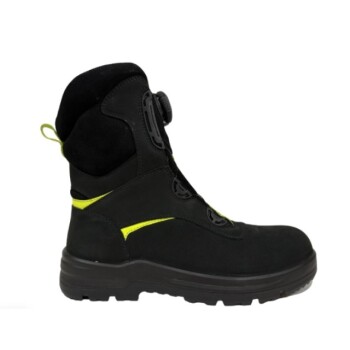
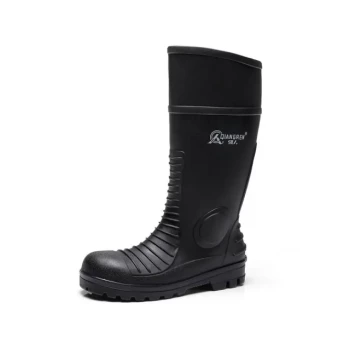
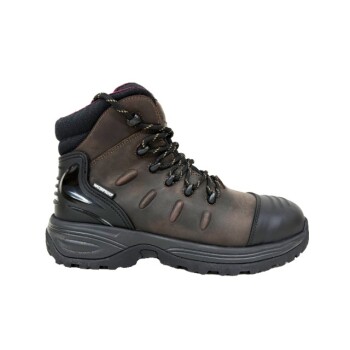
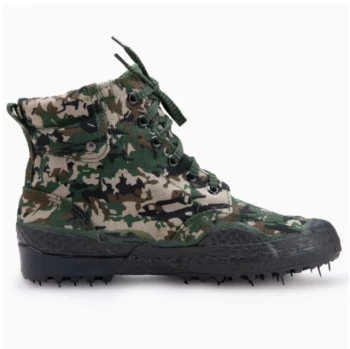
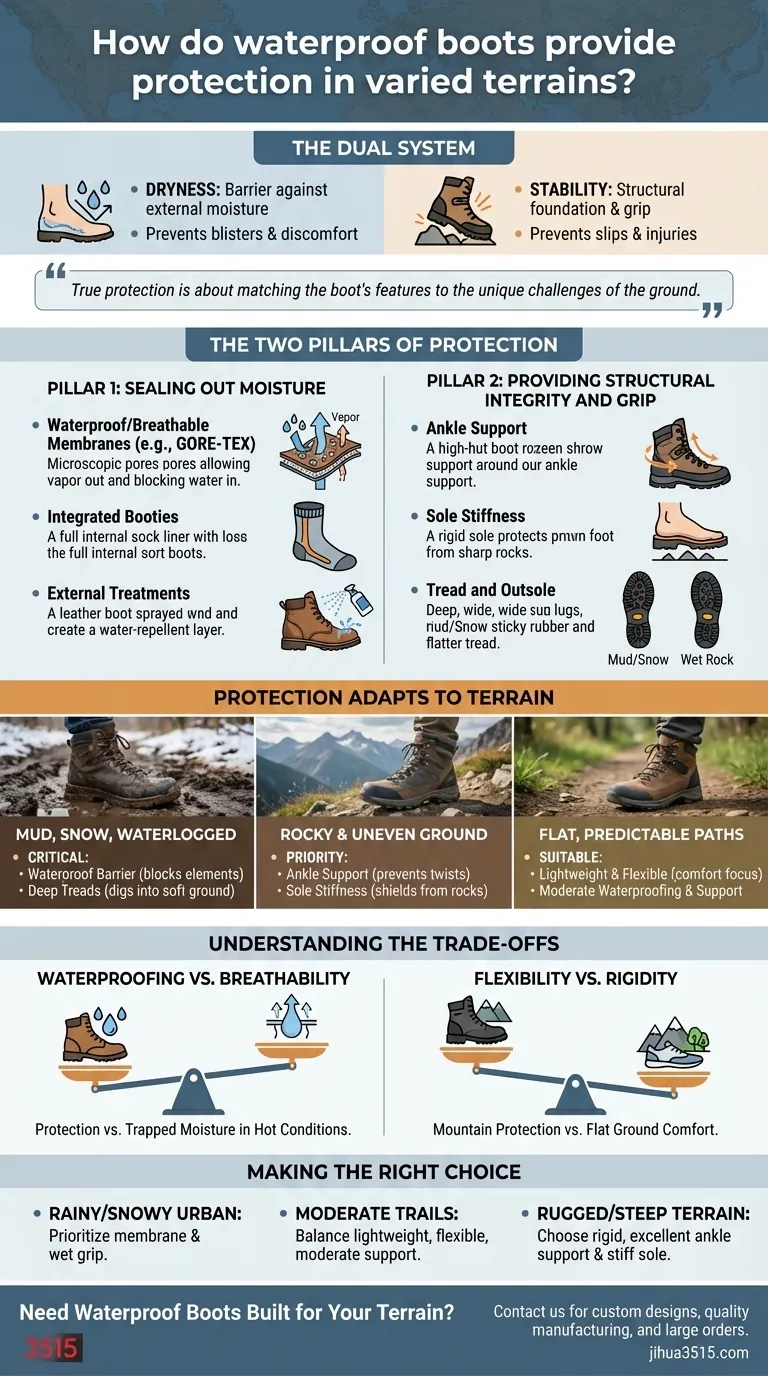
At its core, waterproof boot protection is a dual system: it combines a barrier against external moisture with a structural foundation that provides stability and safety. This system works by keeping your feet dry to prevent blisters and discomfort, while simultaneously using features like ankle support and specialized soles to prevent slips and injuries on unpredictable ground.
True protection in varied terrain isn't just about being waterproof. It's about matching the boot's specific features—its sole stiffness, ankle height, and tread design—to the unique challenges of the ground you intend to cover.
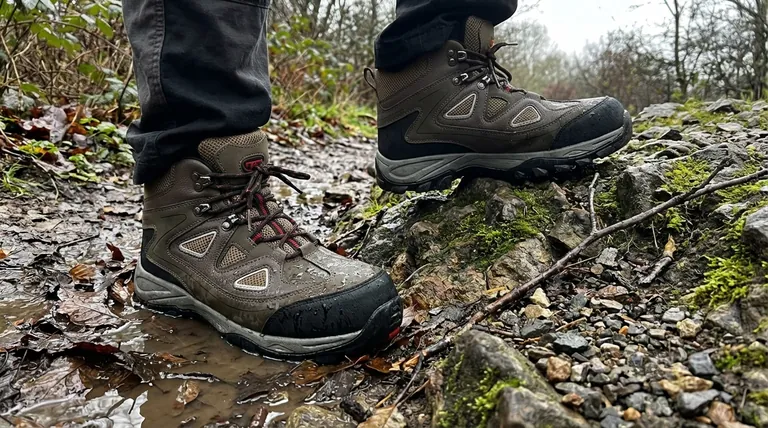
The Two Pillars of Protection: Dryness and Stability
A boot's ability to protect you is built on two fundamental principles. The first is managing moisture, and the second is providing the physical structure needed to navigate terrain safely.
Pillar 1: Sealing Out Moisture
The most obvious function is keeping water out. This is critical for preventing the discomfort, blisters, and potential infections that come from wet feet.
Manufacturers achieve this using a few key methods:
- Waterproof/Breathable Membranes: Most modern boots feature a high-tech membrane (like GORE-TEX) built into the upper. This layer contains microscopic pores large enough to let sweat vapor out but too small for water droplets to get in.
- Integrated Booties: This design involves a complete waterproof "sock" integrated directly into the boot's construction, offering a comprehensive seal.
- External Treatments: Primarily used on leather boots, waxes and silicone sprays create a water-repellent barrier on the boot's surface.
Pillar 2: Providing Structural Integrity and Grip
Beyond staying dry, a boot must protect you from the physical hazards of the terrain itself. This is where the boot's construction becomes paramount.
- Ankle Support: Mid and high-cut boots physically support the ankle area. This is essential on uneven ground to prevent painful twists and sprains.
- Sole Stiffness: A rigid sole protects your foot from sharp rocks or branches underfoot. On steep or unstable ground, a stiffer sole provides a more stable platform, reducing foot fatigue.
- Tread and Outsole: The sole's pattern (tread) and rubber compound determine its grip. Deep, widely-spaced lugs are designed to bite into soft terrain like mud and snow, while stickier rubber compounds provide traction on wet rock.
How Protection Adapts to Different Terrains
The genius of a good boot is how these protective features are balanced for specific environments. A boot designed for a muddy field is fundamentally different from one built for a rocky mountain pass.
For Muddy, Snowy, or Waterlogged Paths
On these surfaces, the primary challenge is moisture and lack of traction.
The boot's waterproof barrier is the most critical feature, preventing water, mud, and snow from getting inside. Equally important are deep treads that dig into the soft ground to prevent slipping.
For Rocky and Uneven Ground
Here, the main risks are twisted ankles and impacts from sharp objects.
Ankle support and sole stiffness take priority. A rigid boot prevents your foot from over-flexing on unstable surfaces and shields you from sharp rocks.
For Flat, Predictable Paths
On well-trodden trails, heavy-duty protection is less necessary and can be cumbersome.
A more lightweight and flexible boot is suitable. While waterproofing is still valuable for rain, the need for extreme rigidity and ankle support diminishes.
Understanding the Trade-offs
No single boot is perfect for every situation. Choosing the right one means understanding the inherent compromises in its design.
The Waterproofing vs. Breathability Dilemma
The primary trade-off of any waterproof boot is breathability. Even the best "waterproof/breathable" membranes can't vent sweat as efficiently as a non-waterproof boot.
In hot, dry conditions, a waterproof boot can make your feet sweaty and uncomfortable. The protection against external water comes at the cost of trapping internal moisture.
The Flexibility vs. Rigidity Balance
A highly rigid, supportive boot that excels in the mountains will feel clunky and uncomfortable on a simple walk in the park.
Conversely, a lightweight, flexible walking shoe offers comfort on flat ground but provides inadequate protection and stability for challenging, uneven terrain.
Making the Right Choice for Your Goal
Select your boots based on the most demanding terrain you plan to encounter regularly.
- If your primary focus is daily use in rainy or snowy urban environments: Prioritize a reliable waterproof membrane and a sole with good grip on wet pavement or ice. Ankle support can be minimal.
- If your primary focus is hiking on well-maintained, moderate trails: A lightweight, flexible waterproof hiker with moderate ankle support offers the best balance of comfort and protection.
- If your primary focus is trekking on rugged, steep, or unpredictable terrain: Choose a rigid boot with excellent ankle support and a stiff sole to ensure maximum stability and protection.
Ultimately, choosing the right boot is about correctly identifying the challenges of your environment and selecting the tool designed to meet them.
Summary Table:
| Protection Feature | Function | Key Benefit |
|---|---|---|
| Waterproof Membrane | Blocks external water, allows sweat vapor to escape | Keeps feet dry, prevents blisters |
| Ankle Support | Stabilizes ankle joint on uneven ground | Reduces risk of twists and sprains |
| Stiff Sole | Shields foot from sharp objects, provides stability | Minimizes foot fatigue, improves safety |
| Deep Tread Outsole | Bites into soft or slippery surfaces | Enhances grip in mud, snow, and loose terrain |
Need Waterproof Boots Built for Your Terrain?
As a large-scale manufacturer, 3515 produces a comprehensive range of high-performance footwear tailored for distributors, brand owners, and bulk clients. Our production capabilities encompass all types of waterproof boots and shoes, engineered with the right balance of support, grip, and durability for any environment.
We help you:
- Access Customizable Designs: Get boots optimized for specific terrains—from urban wet conditions to rugged mountain trails.
- Scale with Quality Assurance: Leverage our manufacturing expertise for consistent, reliable waterproof protection across large orders.
- Meet Market Demand: Offer your customers footwear that expertly balances breathability, rigidity, and traction.
Let’s discuss your needs: Contact our team today to explore samples, pricing, and OEM/ODM options.
Visual Guide
Related Products
- Premium Wholesale Waterproof Safety Boots High Performance Protection for Industrial Markets
- High Performance Fire-Retardant Waterproof Safety Boots
- Wholesale Premium Waterproof Nubuck Safety Shoes Boots
- Premium Flame-Retardant Waterproof Safety Boots and Shoes
- Durable Waterproof Rain Boots | Custom Manufacturer for Wholesale & Brands
People Also Ask
- What weather and chemical protections do premium boots offer? Your Complete Guide to Safety & Performance
- Why are waterproof safety boots recommended for certain work environments? Essential Protection for Wet & Hazardous Jobs
- What are the primary protective functions of industrial safety boots in oil palm plantations? Master Rough Terrain Safety
- Why are oil-resistant and anti-slip properties critical for industrial safety boots? Expert Outsole Engineering Guide
- What are the best types of shoes for different gardening conditions? Find Your Perfect Match.