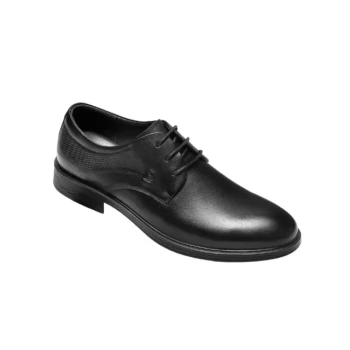
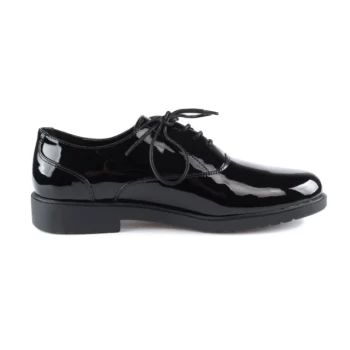
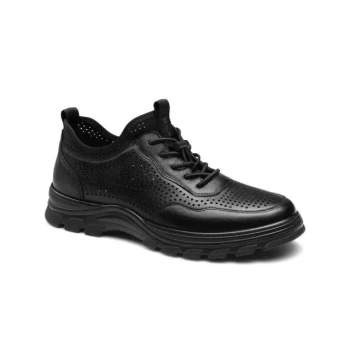
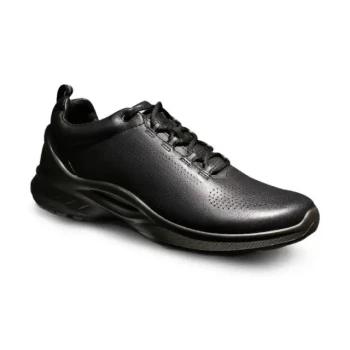
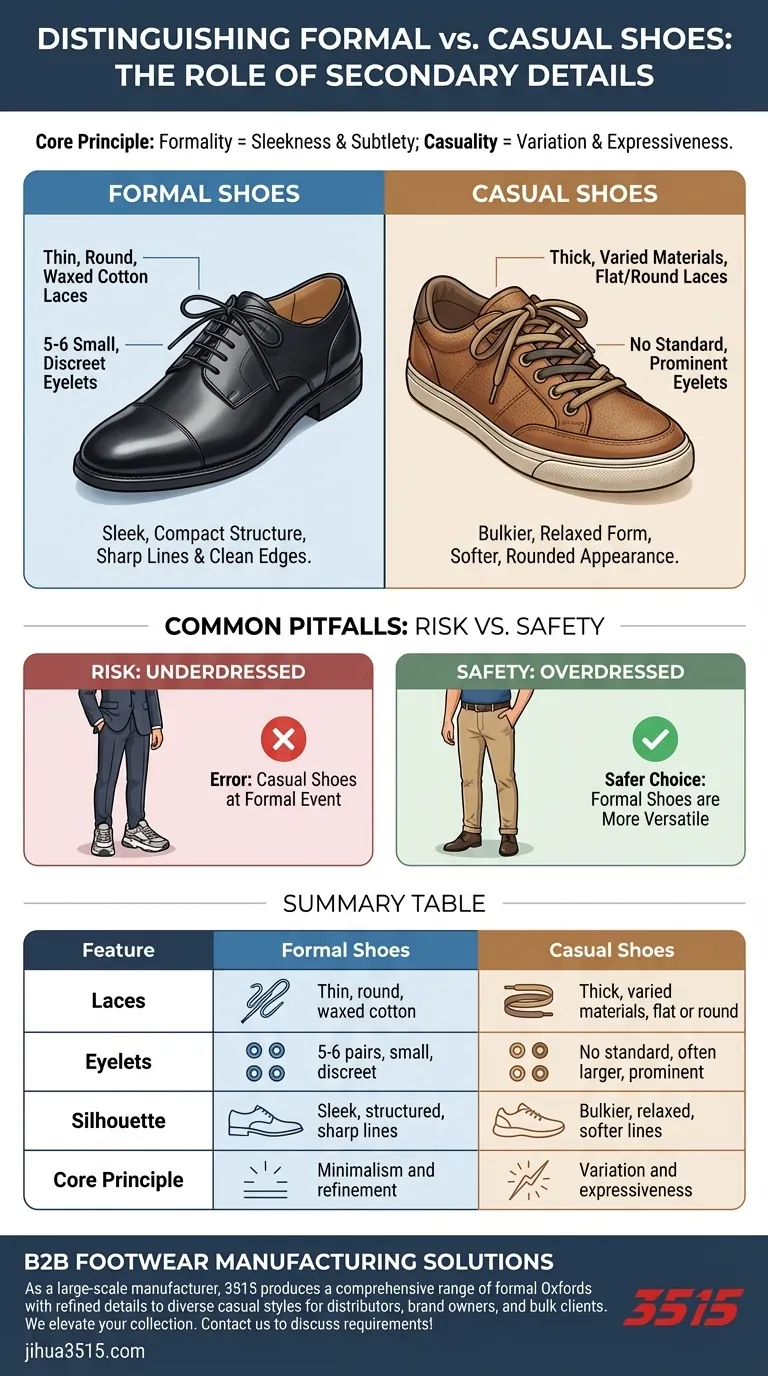
To distinguish between formal and casual shoes, you must examine the secondary details. Formal shoes are defined by minimalism and refinement, featuring thin, round, waxed cotton shoelaces and a set of five to six pairs of small, understated eyelets. In contrast, casual shoes display significant variation, often using thicker laces and having no specific rules for the size or number of their eyelets.
The core principle is that formality in footwear is achieved through sleekness and subtlety. The fewer and more refined the details, the more formal the shoe; the more prominent or varied the details, the more casual it becomes.
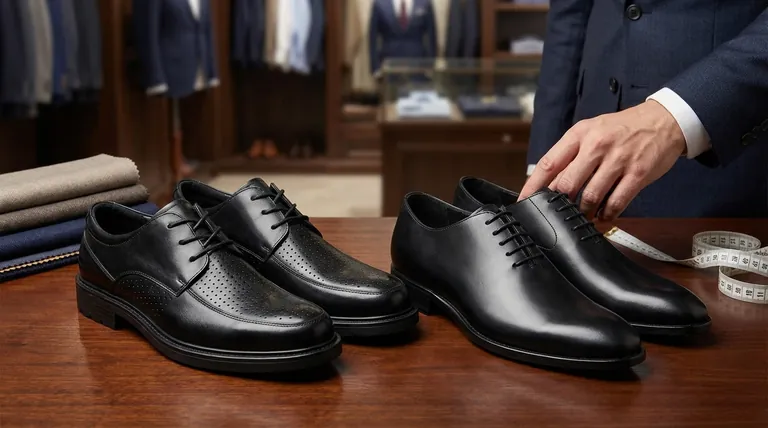
The Anatomy of Formality: Laces and Eyelets
The lacing system is one of the most immediate indicators of a shoe's intended purpose. It provides clear signals about its level of formality.
Formal Lacing: The Rule of Refinement
Formal dress shoes, like Oxfords or Derbys, adhere to a strict design language. Their laces are almost always thin, round, and made of waxed cotton.
This construction creates a clean, unobtrusive line. The eyelets are correspondingly small and discreet, reinforcing the shoe's sleek profile. A count of five to six eyelet pairs is the established standard.
Casual Lacing: A Spectrum of Style
Casual shoes, from sneakers to boots, operate with complete freedom. Laces can be thick or thin, flat or round, and made from a wide variety of materials.
There is no standard for the number, size, or even shape of the eyelets. This variability allows for a more relaxed and expressive appearance, which is the hallmark of casual design.
Beyond Lacing: Shape and Structure
While laces are a key detail, the overall silhouette of the shoe provides the foundational context for its formality.
The Sleek Silhouette of Formal Shoes
A formal shoe has a compact and sleek structure. It is built with sharp lines and clean edges, creating a refined profile that is designed to complement the sharp tailoring of suits and dress pants.
Every element is intended to contribute to an elegant, elongated appearance, avoiding any sense of bulk.
The Relaxed Form of Casual Shoes
Casual footwear is often bulkier and less structured. The design prioritizes comfort and a laid-back aesthetic over sharp, formal lines.
This results in a softer, more rounded appearance that pairs naturally with informal clothing like jeans, chinos, and shorts.
Common Pitfalls to Avoid
Navigating dress codes can be challenging, but a simple guideline can prevent most mistakes. The social consequences of choosing the wrong shoe are not symmetrical.
The Risk of Being Underdressed
Wearing casual shoes to a formal event is a significant style error. It signals a misunderstanding of the occasion's tone and can appear disrespectful. A bulky sneaker, for example, directly clashes with the clean lines of a suit.
The Safety of Being Overdressed
In contrast, being slightly overdressed is almost always the safer choice. A simple dress shoe is appropriate for a wider range of situations than a casual shoe. When in doubt, erring on the side of formality ensures you will look polished and appropriate.
Making the Right Choice for Your Occasion
Use these principles to guide your selection based on the event and your personal style.
- If your primary focus is a business or formal event: Opt for shoes with thin, round laces, minimal eyelets, and a sleek, structured silhouette.
- If your primary focus is everyday comfort and style: Embrace the variety of casual shoes with their diverse lacing systems and more relaxed shapes.
- If you are ever unsure about the dress code: Choose the more formal shoe to ensure you are appropriately dressed for any possibility.
By learning to read these subtle design cues, you can confidently select the right footwear for any situation.
Summary Table:
| Feature | Formal Shoes | Casual Shoes |
|---|---|---|
| Laces | Thin, round, waxed cotton | Thick, varied materials, flat or round |
| Eyelets | 5-6 pairs, small, discreet | No standard, often larger, more prominent |
| Silhouette | Sleek, structured, sharp lines | Bulkier, relaxed, softer lines |
| Core Principle | Minimalism and refinement | Variation and expressiveness |
Need the perfect shoe for your brand or retail needs?
As a large-scale manufacturer, 3515 produces a comprehensive range of footwear for distributors, brand owners, and bulk clients. Whether you require formal Oxfords with refined details or a diverse line of casual styles, our production capabilities encompass all types of shoes and boots. We can help you deliver the right style for every occasion.
Contact us today to discuss your manufacturing requirements and elevate your footwear collection!
Visual Guide
Related Products
- Wholesale Leather Derby Dress Shoes Custom Manufacturer for Brands
- Wholesale Patent Oxford Dress Shoes | Custom & Bulk Manufacturing
- Wholesale Leather Derby Shoes Manufacturer | Customizable Business & Dress Footwear
- Wholesale Comfortable Business Casual Shoes Custom Manufacturing
- Custom Manufactured Air Cushion Leather Business Shoes for Wholesale
People Also Ask
- What is the main difference between Derby Shoes and Oxford Shoes? It's All in the Lacing.
- What are the features and appropriate occasions for wearing derby shoes? A Guide to Versatile Style
- How do Derby shoes fit into business casual attire? Master the Perfect Balance of Professional Style
- What historical figure is associated with the Derby shoe? The Earl of Derby's Comfort Revolution
- What is the difference between Derby and Oxford shoes? A Guide to Choosing the Right Shoe