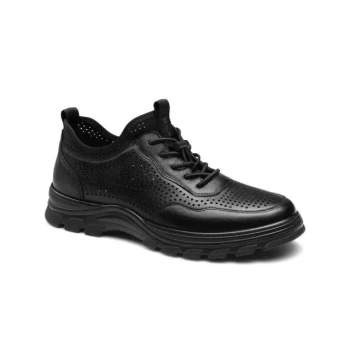
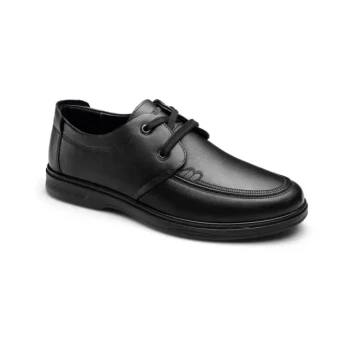
For new leather-soled shoes, the most direct method of protection is to apply a specialized leather sole conditioner or oil. This treatment nourishes the leather fibers and provides a crucial layer of water resistance, significantly slowing down the initial wear from moisture and light abrasion.
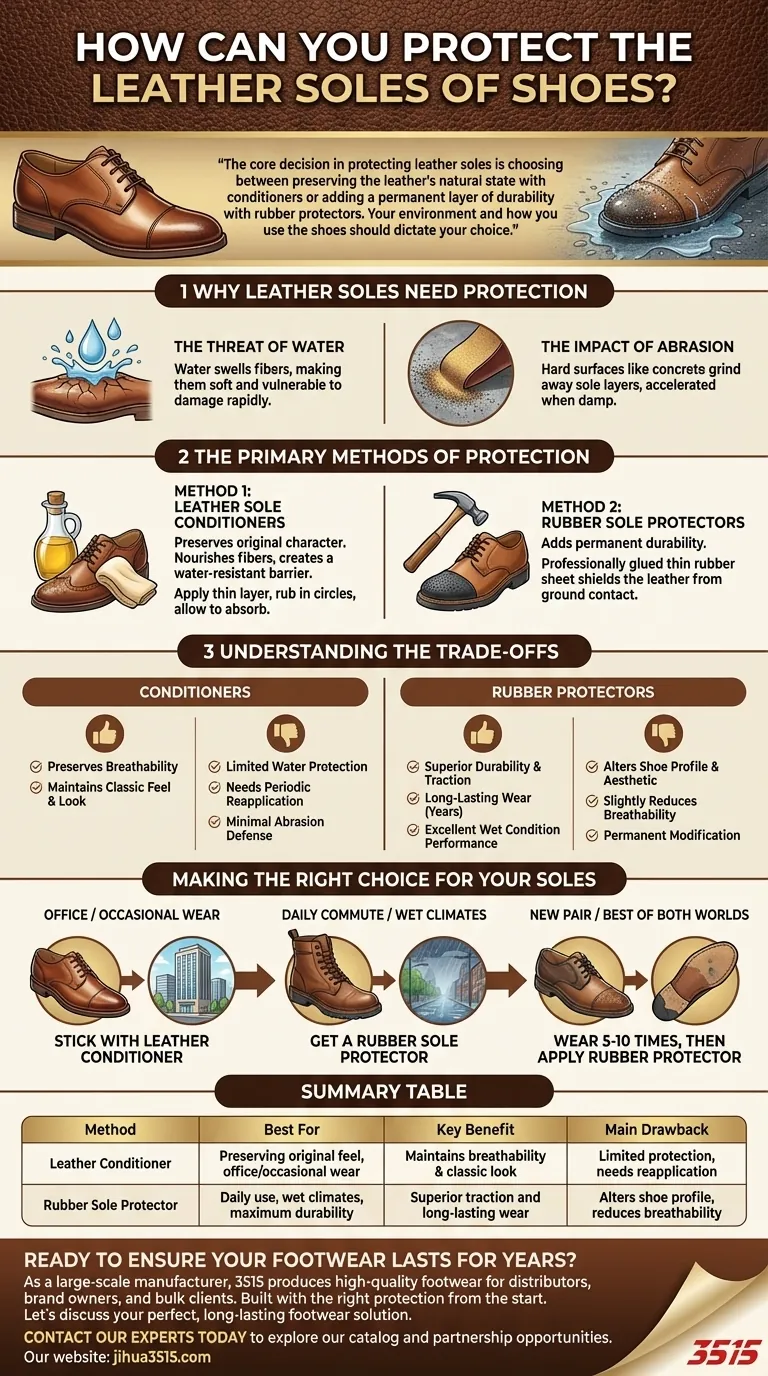
The core decision in protecting leather soles is choosing between preserving the leather's natural state with conditioners or adding a permanent layer of durability with rubber protectors. Your environment and how you use the shoes should dictate your choice.
Why Leather Soles Need Protection
Leather is a natural, porous material. While this quality allows it to breathe and mold to your foot, it also makes it vulnerable to the elements, especially when it's brand new and untreated.
The Threat of Water
Water is the primary enemy of a leather sole. When leather becomes saturated, its fibers swell and become soft, making them incredibly susceptible to damage. Walking on wet pavement can rapidly shred a waterlogged sole.
The Impact of Abrasion
Hard surfaces like concrete and asphalt act like sandpaper. Every step grinds away a microscopic layer of the sole. This wear is dramatically accelerated when the leather is damp.
The Primary Methods of Protection
There are two fundamentally different philosophies for protecting leather soles. One focuses on conditioning the existing material, while the other involves adding a new, more durable material on top.
Method 1: Leather Sole Conditioners
This method maintains the original character of the shoe. It involves applying a specialized product designed to penetrate and protect the leather.
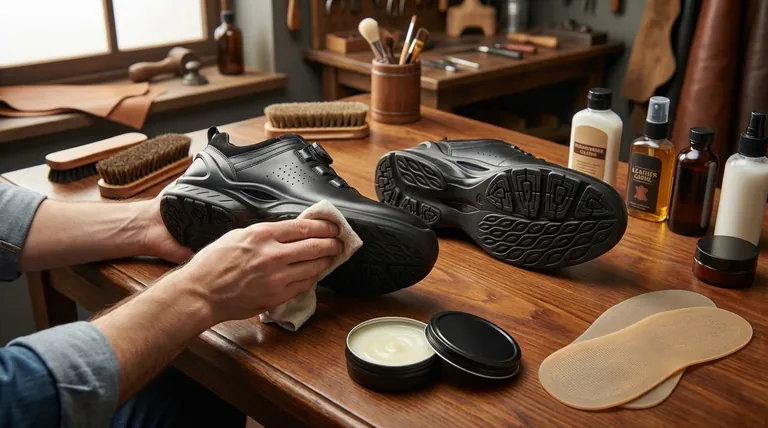
You use a vegetable oil-based sole guard or a similar leather conditioner. Apply it with a soft cloth, rubbing a thin layer into the sole using small, circular motions.
Allow the shoes to rest for at least 30 minutes, or ideally overnight, to ensure the oil fully absorbs. This process nourishes the leather and creates a barrier against water.
Method 2: Rubber Sole Protectors
For maximum durability and weather resistance, a cobbler can add a thin rubber sole protector (often called a "sole saver" or "Topy") over the original leather.
This is a permanent modification where a durable, thin sheet of rubber is professionally glued onto the front half of the sole. It effectively shields the leather from all contact with the ground.
Understanding the Trade-offs
Neither method is universally "better." The right choice depends entirely on balancing preservation, durability, and aesthetics.
Conditioners: Pros and Cons
The main advantage of conditioners is that they preserve the breathability and classic feel of a leather sole. The shoe remains exactly as the maker intended.
However, this protection is limited. Conditioners only offer water resistance, not waterproofing, and must be reapplied periodically. They provide minimal defense against heavy abrasion.
Rubber Protectors: Pros and Cons
Rubber protectors offer vastly superior durability and traction, especially in wet conditions. A single application can add years to the life of the sole.
The downside is that they alter the shoe. They slightly reduce breathability and permanently change the sleek profile of the original leather sole. This process is also not reversible without a cobbler's help.
Making the Right Choice for Your Soles
To select the best path, consider how and where you will wear your shoes.
- If your primary focus is preserving the original character for office or occasional wear: Stick with a high-quality leather sole conditioner to nourish the leather and provide basic protection.
- If your primary focus is durability for daily commuting or use in wet climates: Have a cobbler apply a rubber sole protector before you put major wear on the shoes.
- If you want the best of both worlds for a new pair: Wear the shoes 5-10 times on dry pavement to scuff the sole slightly, then take them to a cobbler for a rubber protector, as the adhesive will bond better to a lightly worn surface.
Making an informed decision on sole care is the single best way to protect your footwear investment for years to come.
Summary Table:
| Method | Best For | Key Benefit | Main Drawback |
|---|---|---|---|
| Leather Conditioner | Preserving original feel, office/occasional wear | Maintains breathability & classic look | Limited protection, needs reapplication |
| Rubber Sole Protector | Daily use, wet climates, maximum durability | Superior traction and long-lasting wear | Alters shoe profile, reduces breathability |
Ready to ensure your footwear lasts for years?
As a large-scale manufacturer, 3515 produces a comprehensive range of high-quality footwear for distributors, brand owners, and bulk clients. Our production capabilities encompass all types of durable shoes and boots, built with the right protection in mind from the start.
Let's discuss how we can provide the perfect, long-lasting footwear solution for your needs.
Contact our experts today to explore our catalog and partnership opportunities.
Visual Guide
Related Products
- Premium Grain Leather Safety Boots for Bulk Supply
- Wholesale Leather Work Boots with Customizable Wedge Sole for Brands
- Wholesale Breathable Perforated Leather Derby Shoes with Modern Comfort Sole
- Wholesale Modern Perforated Leather Derby Shoes with Chunky Sole for Custom Branding
- Premium Safety Shoes with Rotating Buckle Safety Sneakers
People Also Ask
- Why is ankle and arch support important in safety footwear? Prevent Injury & Fatigue
- Why is proper storage important for safety boots? Preserve Protection and Extend Lifespan
- What primary protective functions do professional safety boots provide in urban solid waste recovery and waste picking processes? Discover Dual-Layer Protection.
- What makes durable safety boots? The Ultimate Guide to Long-Lasting Work Footwear
- Which organizations develop safety standards for work boots? Ensure Compliance & Worker Safety