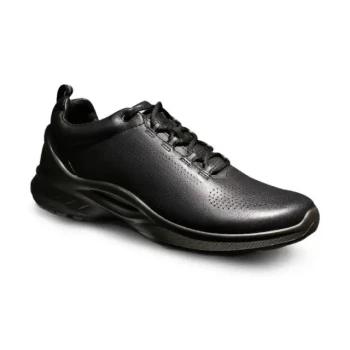
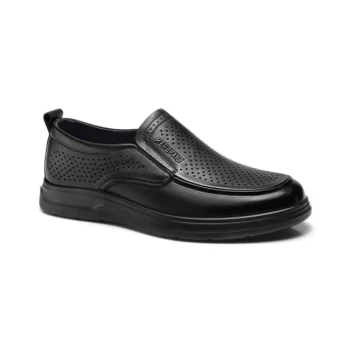
The durability of a casual shoe is not an accident; it is the direct result of intentional design choices in materials, construction, and structural support. High-quality materials like leather resist wear, a solid sole provides a resilient foundation, and quality craftsmanship in the stitching and assembly ensures all parts work together to withstand daily stress.
A truly durable casual shoe is a system where the material, sole, and construction work in concert to resist wear and maintain their form. Understanding how these elements function together is the key to identifying footwear that offers genuine long-term value.
The Core Pillars of Shoe Durability
To assess durability, you must look beyond the surface appearance and examine the fundamental components that dictate a shoe's lifespan and performance.
The Role of Upper Materials
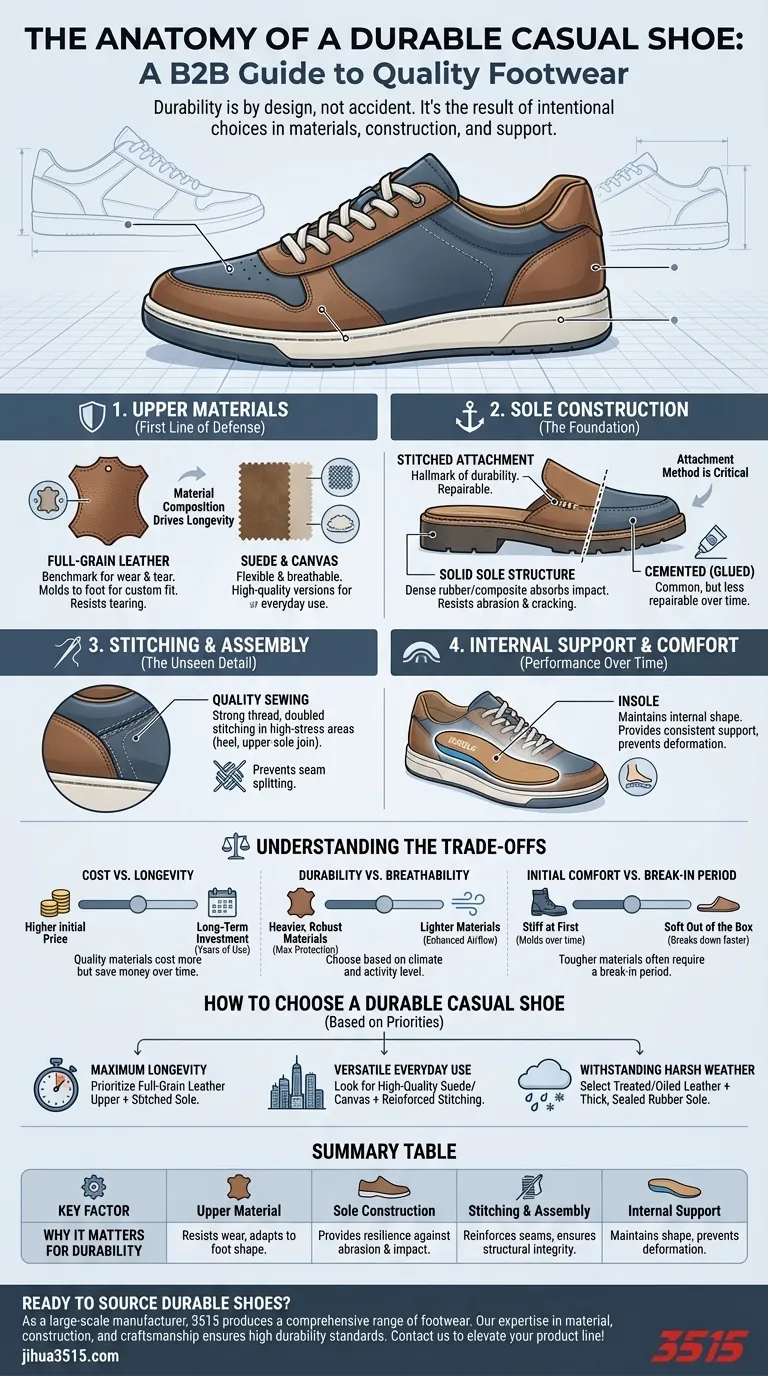
The "upper" is the part of the shoe that covers your foot and is the first line of defense against the elements. Its material composition is a primary driver of longevity.
Full-grain leather is historically the benchmark for durability. It withstands significant wear, can handle various weather conditions, and resists tearing better than most other materials.
Over time, leather also molds to the unique shape of your foot, providing a custom fit that enhances both comfort and long-term support.
Other materials like suede and canvas offer different benefits. While generally less rugged than full-grain leather, high-quality versions provide excellent flexibility and breathability for everyday use.
The Foundation: Sole Construction
The sole is the workhorse of the shoe, absorbing impact and facing constant abrasion. Its durability depends on both the material and its attachment to the upper.
A solid sole structure is critical. This typically means using dense rubber or a composite material that can endure repeated flexing and contact with abrasive surfaces without cracking or wearing down quickly.
The method used to attach the sole to the upper—whether it is cemented (glued) or stitched—is also a major factor. A stitched sole is often a hallmark of a more durable, repairable shoe.
The Unseen Detail: Stitching and Assembly
A shoe can be made from the best materials in the world, but it will fail if not assembled properly.
Quality sewing with strong thread prevents seams from splitting under pressure, which is one of the most common points of failure in poorly made footwear.
Look for clean, consistent, and often doubled stitching, especially in high-stress areas like where the upper meets the sole or at the heel.
Internal Support and Comfort
Durability isn't just about how long a shoe lasts, but how well it performs during its lifespan.
A well-constructed insole does more than provide cushioning. It helps the shoe maintain its internal shape and provides consistent support, preventing the shoe from deforming under your body weight over months of wear.
Understanding the Trade-offs
Choosing a durable shoe often involves balancing competing factors. There is no single "best" shoe, only the best shoe for a specific need.
Cost vs. Longevity
The most durable materials, particularly high-quality leather, command a higher price.
This initial expense should be viewed as an investment. A well-made shoe that lasts for years is often more economical than replacing a cheaper, less durable pair multiple times.
Durability vs. Breathability
Heavier, more robust materials like thick leather offer maximum protection and durability but can be less breathable than lighter materials like canvas.
For warm climates or active use, you might trade some ruggedness for the enhanced airflow of a high-quality canvas or perforated suede shoe.
Initial Comfort vs. Break-in Period
The toughest, most supportive shoes often require a "break-in" period. Sturdy leather may feel stiff at first before it molds to your foot.
In contrast, shoes that feel perfectly soft out of the box may be built with less substantial materials that will break down much faster.
How to Choose a Durable Casual Shoe
Use these principles to guide your next purchase based on your specific priorities.
- If your primary focus is maximum longevity: Prioritize a shoe with a full-grain leather upper and a stitched sole construction.
- If your primary focus is versatile, everyday use: Look for high-quality suede or canvas with reinforced stitching in key stress points and a supportive insole.
- If your primary focus is withstanding harsh weather: Select a shoe made from treated or oiled leather with a thick, well-sealed rubber sole.
By understanding these core components, you can confidently select a shoe that delivers lasting value and performance.
Summary Table:
| Key Factor | Why It Matters for Durability |
|---|---|
| Upper Material | High-quality leather, suede, or canvas resists wear and adapts to your foot shape. |
| Sole Construction | Dense rubber or stitched soles provide resilience against abrasion and impact. |
| Stitching & Assembly | Reinforced seams prevent splitting, ensuring long-term structural integrity. |
| Internal Support | A sturdy insole maintains shape and comfort, preventing deformation over time. |
Ready to source durable casual shoes that balance longevity, comfort, and style? As a large-scale manufacturer, 3515 produces a comprehensive range of footwear for distributors, brand owners, and bulk clients. Our expertise in material selection, sole construction, and quality craftsmanship ensures your footwear meets the highest durability standards. Contact us today to discuss your production needs and elevate your product line with reliable, long-lasting casual shoes!
Visual Guide
Related Products
- Wholesale Comfortable Business Casual Shoes Custom Manufacturing
- Dial Closure Leather Business Casual Shoes for Wholesale & Private Label
- Wholesale Leather Business Casual Shoes with Dial Closure - Manufacturer of Comfort Dress Sneakers
- Wholesale Modern Perforated Leather Derby Shoes with Chunky Sole for Custom Branding
- Wholesale Durable Camouflage Canvas Shoes with High-Traction Cleated Rubber Sole
People Also Ask
- What are the key characteristics of business casual shoes? Achieve Polished Versatility for Your Wardrobe
- What should be considered when selecting shoes for a casual business setting? Achieve the Perfect Balance of Style and Comfort
- Which types of shoes should be avoided with business casual attire? Maintain a Polished Professional Image
- What is the recommended approach to trying on business casual shoes? Ensure a Perfect Fit for Your Workday
- What are some types of business casual shoes? Build a Versatile & Professional Footwear Wardrobe