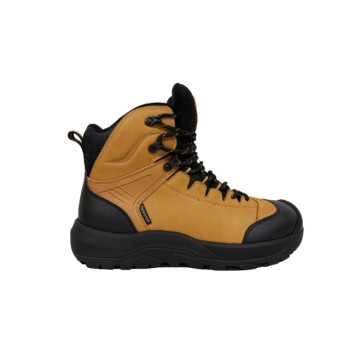
When temperatures drop and snow starts to fall, your footwear choice can mean the difference between comfort and misery—or even safety and risk. But with so many options available, how do you know whether winter boots or snow boots are right for your needs? This guide breaks down the key differences, material technologies, and real-world applications to help you make an informed decision.
Decoding Technical Specifications: Temperature Ratings and Waterproofing
Not all cold-weather boots are created equal. The right pair depends on three critical factors:
- Temperature Ratings – Boots designed for subzero conditions often feature specialized insulation (e.g., Thinsulate™ or wool linings) rated for specific temperature ranges.
- Waterproofing – Look for sealed seams and membranes like Gore-Tex® for wet conditions, while breathable materials suit drier cold climates.
- Traction Needs – Ice-prone areas demand aggressive treads (e.g., Vibram Arctic Grip), whereas urban settings may prioritize smoother soles.
Pro Tip: If you’re frequently exposed to road salt or de-icing chemicals, opt for chemically resistant materials to prevent premature wear.
Activity-Driven Design: Tread Patterns for Ice vs. Insulation for Static Use
Your daily activities should dictate your boot’s design:
- Active Use (Hiking, Snowshoeing): Prioritize flexible midsoles and deep lugs for grip on uneven terrain.
- Static Use (Commuting, Ice Fishing): Thicker insulation and removable liners help retain heat when you’re not moving much.
- Urban Environments: Slip-resistant soles and lightweight designs prevent fatigue during long walks on pavement.
Did you know? Research shows that improper footwear contributes to nearly 30% of winter-related slips and falls.
Style Compromises: When Fashionable Boots Fail in Extreme Conditions
While sleek, stylish boots may suffice for mild winters, they often lack:
- Adequate insulation below -10°C (14°F)
- Waterproofing beyond light snow
- Ankle support for uneven terrain
Real-World Example: A commuter might choose waterproof leather boots with thermal lining, while a backcountry skier needs a rigid, insulated snow boot with crampon compatibility.
Material Science Breakdown: Synthetic vs. Natural Insulation
Insulation Showdown
- Synthetic (Thinsulate™, PrimaLoft®): Lightweight, retains warmth when wet, and dries quickly. Ideal for active use.
- Natural (Sheepskin, Wool): Superior breathability and comfort but heavier and slower to dry. Best for moderate cold.
Traction Technologies
- Vibram Arctic Grip: Uses hydrophilic compounds to enhance grip on ice, outperforming standard rubber by up to 40%.
- Traditional Rubber Soles: Suitable for packed snow but may struggle on sheer ice.
Real-World Use Cases
Case Study: Backcountry Skiing vs. City Commuting
- Backcountry Skiers need rigid boots with crampon compatibility and waterproof-zip closures.
- Urban Commuters benefit from insulated, slip-resistant soles and easy-on designs for public transit.
Pro Tips for Longevity
- Rinse salt off boots weekly to prevent material breakdown.
- Store with cedar inserts to wick moisture and odors.
- Reapply waterproofing treatments seasonally.
Ready to Equip Your Clients with the Right Winter Footwear?
As a leading manufacturer, 3515 provides distributors and brands with high-performance winter and snow boots tailored to any climate or activity. From Arctic-grade insulation to urban-ready designs, our production capabilities ensure your customers stay safe and comfortable—no matter where winter takes them.
Contact us today to discuss bulk solutions for your footwear line.
Related Products
- Premium Insulated Safety Boots and Shoes for Wholesale & Bulk Orders
- Factory Direct Wholesale Rain Boots Durable Waterproof & Fully Customizable
- Durable Waterproof Rain Boots | Custom Manufacturer for Wholesale & Brands
- Wholesale Waterproof Tactical Boots Custom Suede & High-Traction Soles
- Premium Wholesale Waterproof Safety Boots High Performance Protection for Industrial Markets
Related Articles
- More Than Warmth: The Dual-System Safety Engineering of Insulated Boots
- How to Choose Cold-Weather Safety Boots: Material Science Meets Sub-Zero Performance
- How to Choose Snow Boot Insulation for Any Weather and Activity
- How to Choose Snow Boot Insulation for Your Climate and Activities
- How to Choose Winter Boots That Actually Work for Your Climate and Lifestyle