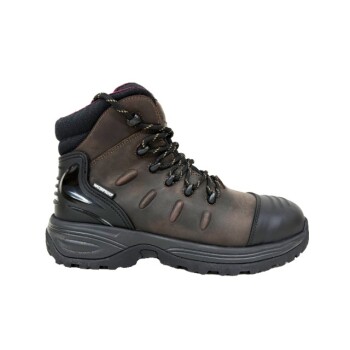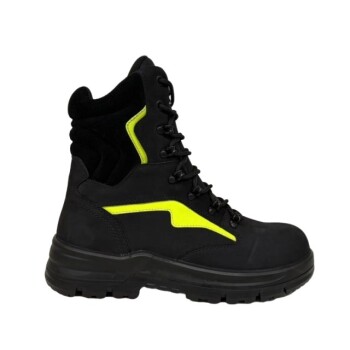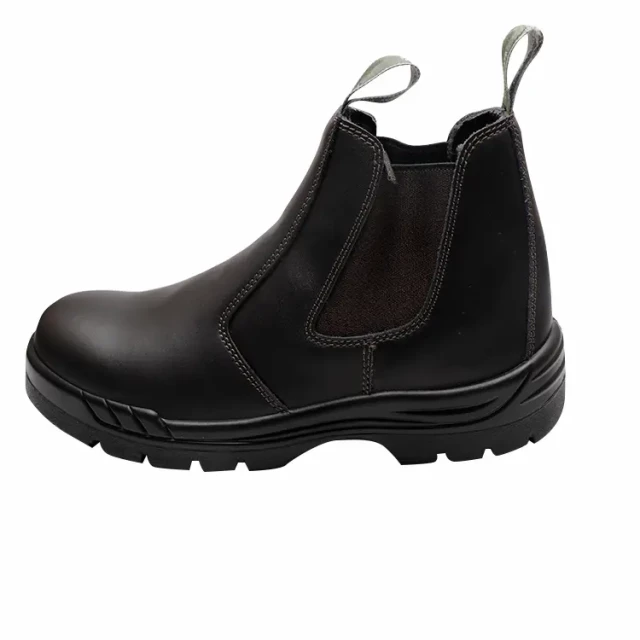
Standing or walking for extended periods is a daily reality for millions of workers, from construction crews to healthcare professionals. The right work boots don’t just protect feet—they actively combat physical fatigue through deliberate engineering. This article breaks down the science behind fatigue-resistant work boots, from biomechanical principles to material innovations, and showcases their proven impact across industries.
How Work Boots Combat Physical Fatigue
The Biomechanics of Standing Fatigue
When the body remains upright for hours, muscle fatigue accumulates due to constant micro-adjustments for balance. Research shows that prolonged standing can increase lower back pressure by over 50% compared to intermittent movement. Work boots address this through:
- Stabilizing Features: Arch support and heel counters reduce muscle strain by aligning joints optimally.
- Weight Distribution: Wider outsoles disperse pressure more evenly across the foot.
Anti-Fatigue Engineering in Boot Design
Leading manufacturers integrate these fatigue-fighting technologies:
- Rockered Soles: Curved outsoles promote a natural gait cycle, reducing energy expenditure.
- Flex Zones: Strategic flex points (e.g., at the ball of the foot) prevent stiffness.
Work Boot Materials: From Cushioning to Energy Return
Midsole Innovations: EVA vs. Polyurethane
The midsole is the primary shock absorber. Key materials compared:
| Material | Benefits | Ideal For |
|---|---|---|
| EVA | Lightweight, soft cushioning | Short shifts, light work |
| Polyurethane | Denser, retains shape longer | Heavy machinery settings |
| TPU | Oil/abrasion resistance, durability | Harsh environments |
Data from material tests confirms TPU outsoles withstand 2–3× more wear than standard rubber in chemical-exposed settings.
Outsole Patterns and Shock Absorption
Tread design matters:
- Deep Lugs: Enhance grip while deflecting impact forces away from joints.
- Air Cushions: Some designs incorporate pockets of air for rebound effect.
Proven Impact: Data and Case Studies
Industry-Specific Success Stories
- Warehouse Workers: A 2022 study noted a 30% reduction in reported foot fatigue after switching to boots with TPU midsoles.
- Healthcare Staff: Nurses wearing rocker-soled shoes experienced 40% less lower-back pain over 6 months.
Long-Term Health Benefits
Beyond immediate comfort, fatigue-resistant boots contribute to:
✔ Reduced risk of chronic conditions (e.g., plantar fasciitis)
✔ Higher productivity due to fewer breaks for discomfort
Upgrade Your Workforce’s Endurance with 3515
Distributors and bulk buyers: Partner with 3515 to equip workers with scientifically engineered boots that reduce fatigue and boost productivity. Our expertise in durable materials like TPU and polyurethane ensures long-term value for demanding environments. [Contact us] to discuss custom solutions.
Note: All data referenced from industry material tests and peer-reviewed ergonomic studies.
Related Products
- Durable Leather Work Boots Wholesale Manufacturer & Custom Factory
- Durable Goodyear Welt Leather Work Boots for Wholesale & Private Label
- Durable Leather Moc Toe Work Boots for Wholesale & Custom Manufacturing
- Wholesale Durable 6-Inch Work Boots | Custom & Private Label Manufacturer
- Wholesale Durable Safety Boots | Custom Steel Toe & Puncture-Resistant Manufacturing
Related Articles
- The Unseen Physics of Failure: Why Work Boots Are Your Most Critical PPE
- How Work Boots Engineer Safety: The Science Behind Impact and Compression Protection
- How Job-Specific Work Boot Designs Enhance Safety and Efficiency
- How to Choose Work Boots That Prevent Injuries in High-Risk Jobs
- How Work Boot Components Address Safety and Comfort in High-Risk Jobs