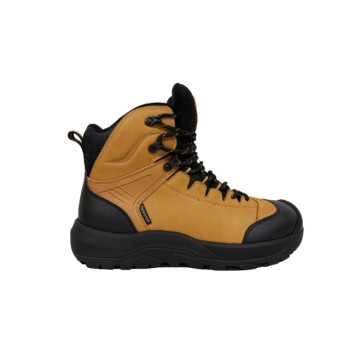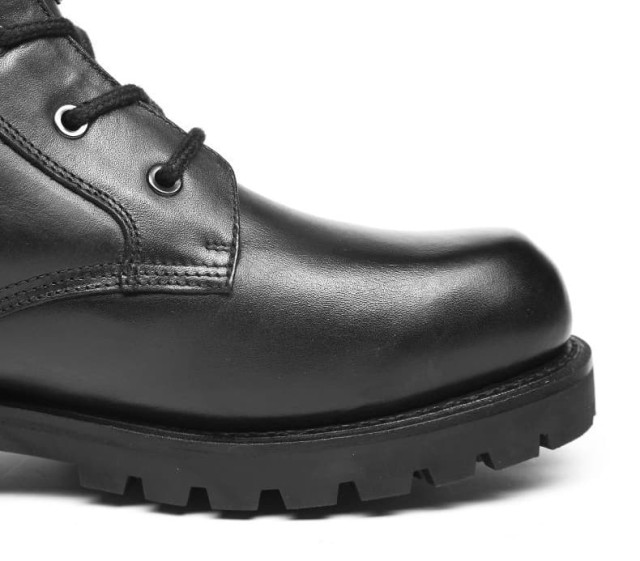
Understanding the interplay between biomechanics and snow physics is essential for designing winter footwear that performs across diverse conditions. This article breaks down the key engineering considerations—from snow phase states to activity-specific stresses—that determine traction, stability, and durability.
Winter Terrain Taxonomy: How Snow Physics Dictates Traction Needs
Crystalline Snow vs. Slush: Moisture Dynamics
Dry, crystalline snow behaves like granular sand, requiring micro-textured soles to prevent particle roll. In contrast, slush—a mix of water and ice crystals—demands hydrophobic materials and deep lugs (6–8mm) to channel liquid away. Research shows that slush reduces friction by over 50% compared to compact snow, making moisture-wicking liners critical for urban commuting.
Gradient Angles and Load Distribution
On inclines exceeding 15°, pressure shifts to the forefoot. Footwear designed for alpine environments often incorporates:
- Heel brakes: Wide, angled heel counters to arrest sliding
- Midfoot stabilizers: TPU shanks to redistribute weight
- Toe spikes: Retractable carbide tips for >30° ascents
ASTM F2913 testing confirms that soles with asymmetric tread patterns improve slope stability by maintaining a 0.40+ friction coefficient on wet surfaces.
Footwear Response Matrix: Materials Engineered for Cold
Sole Durometer Ratings by Temperature
Rubber compounds harden in sub-zero conditions, losing elasticity. Optimal winter soles balance:
| Temperature Range | Ideal Hardness (Shore A) | Material Type |
|---|---|---|
| 32°F to 14°F | 55–65 | Carbon rubber |
| 13°F to -22°F | 45–55 | Nitrile rubber |
| Below -22°F | Arctic-grade TPU |
Softer compounds (e.g., 40–50 Shore A) maintain flexibility at -40°F but wear 30% faster in abrasive conditions.
Gaiter Integration Systems
For backcountry use, seamless gaiters prevent snow ingress while allowing ankle flexion. High-performance designs feature:
- 3-layer membranes: Waterproof yet breathable (e.g., eVent®)
- Dynamic cinching: Adjustable hooks for variable snow depths
- Abrasion-resistant lowers: 500D nylon reinforcements
Activity-Specific Failure Analysis: Where Footwear Breaks Down
Urban Commuting Shear Forces
Repeated pavement contact in wet conditions causes:
- Tread base delamination: From cyclic flexing at -4°F to 32°F
- Insulation compression: After ~150 miles, reducing thermal retention by 40%
Solutions like dual-density EVA midsoles and reflective heat barriers extend urban boot lifespans by 2–3 seasons.
Backcountry Compression Fatigue
Deep snow generates sustained pressure on:
- Metatarsal zones: Leading to midsole collapse after 80–100 hours
- Lace hooks: Metal fatigue from constant torque during step-in
ASTM 3445-21 compliant boots address this with:
- Full-length steel shanks for load dispersion
- Forged aluminum hooks with 200-lb tensile strength
Step Into Winter with Confidence
3515 partners with distributors and brands to deliver biomechanically optimized winter footwear—from arctic-grade safety boots to urban thermal sneakers. Our materials science expertise ensures every pair meets ASTM standards while addressing real-world failure points.
Ready to equip your customers with season-proof footwear? Contact 3515 to discuss your project’s needs.
Related Products
- Premium Insulated Safety Boots and Shoes for Wholesale & Bulk Orders
- Durable Waterproof Rain Boots | Custom Manufacturer for Wholesale & Brands
- Wholesale Durable Camouflage Canvas Shoes with High-Traction Cleated Rubber Sole
- Factory Direct Wholesale Rain Boots Durable Waterproof & Fully Customizable
- Durable Rubber Sole Outdoor Shoes Wholesale & Custom Manufacturing
Related Articles
- More Than Warmth: The Dual-System Safety Engineering of Insulated Boots
- How to Choose Cold-Weather Safety Boots: Material Science Meets Sub-Zero Performance
- How to Choose Snow Boot Insulation for Any Weather and Activity
- How to Choose Snow Boot Insulation for Your Climate and Activities
- How to Choose Winter Boots That Actually Work for Your Climate and Lifestyle