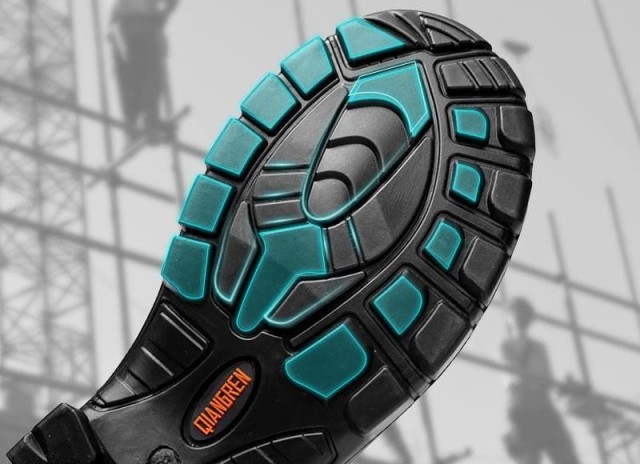
Workplace safety starts from the ground up—literally. While many workers select safety footwear based solely on industry standards, the real key to protection lies in matching shoe features to specific hazards in your environment. This guide reveals how to decode workplace dangers and select footwear that actively defends against them.
Understanding Workplace Hazards
Heat and Molten Material Exposure
Foundry workers, welders, and metal processors face extreme temperatures exceeding 500°F. Standard safety shoes can melt or degrade under such conditions.
Solution:
- Heat-resistant outsoles made from vulcanized rubber or thermoplastic polyurethane (TPU)
- Metatarsal guards to deflect molten splashes
- Insulated footbeds to reduce heat transfer
Research shows that specialized heat-resistant footwear can reduce burn-related injuries by over 60% in metalworking environments.
Slips, Trips, and Liquid Contamination
Food processing plants, hospitals, and oil rigs share a common hazard: slippery surfaces. Water, oil, or chemical spills turn floors into high-risk zones.
Solution:
- Microgrooved outsoles with oil-resistant rubber compounds
- Drainage channels in waterproof boots (e.g., for offshore workers)
- Slip-resistant ratings of ≥0.4 coefficient of friction (tested per ASTM F2913)
Did you know? Over 20% of workplace injuries stem from slips and falls—a risk easily mitigated with proper tread design.
Electrical and Chemical Risks
Electricians and chemical plant workers need dual protection: insulation against live circuits and resistance to corrosive substances.
Solution:
- Dielectric insulation (ASTM F2413 EH-rated) to block circuits up to 600V
- Non-porous materials like nitrile rubber to repel acids/oils
- Composite toe caps (non-conductive alternative to steel)
Case in point: EH-rated boots prevent current flow by eliminating conductive materials in soles and midsoles.
Key Features of Hazard-Specific Footwear
Heat-Resistant Outsoles for Foundries
- Withstand temperatures above 300°F without deformation
- Reflective coatings to reduce radiant heat absorption
Puncture-Proof Midsoles in Construction
- Steel or Kevlar® layers stop nails/sharp debris
- ASTM F2413-18 PR (Puncture Resistant) certification
Dielectric Insulation for Electricians
- Non-metallic shanks and eyelets
- Moisture-wicking linings to maintain dryness (critical for insulation)
Case Studies: Real-World Applications
Oil Rig Workers: Waterproofing + Anti-Static Properties
Offshore environments demand boots that combine:
- Waterproof membranes (e.g., Gore-Tex®)
- Anti-static dissipation (
Food Processing: Non-Slip + Chemical Resistance
- Shoes with FDA-compliant materials (no absorbent stitching)
- Closed-channel outsoles to avoid bacterial buildup
Step Confidently with 3515’s Hazard-Tailored Footwear
Why gamble with generic safety shoes? 3515 designs footwear that aligns with your workplace’s unique risks, offering:
- Custom configurations for heat, electrical, or chemical hazards
- Bulk-order flexibility for distributors and safety managers
- Compliance assurance with ASTM/ISO standards
Protect your team proactively—[Contact 3515] to outfit workers with precision-engineered safety footwear.
Data-driven, hazard-aware footwear isn’t just PPE—it’s a lifeline. Whether confronting molten metal or live wires, the right shoes transform workplace risks into manageable challenges.
Related Products
- Safety Footwear Wholesale Manufacturer for Custom OEM/ODM Production
- Premium Suede Sport Safety Shoes for Wholesale & Bulk Orders
- Premium Safety Shoes with Rotating Buckle Safety Sneakers
- Premium Lightweight Safety Shoes for Wholesale & Bulk Orders
- Puncture-Resistant Velcro Safety Boots for Wholesale & Custom Manufacturing
Related Articles
- How Safety Footwear Materials Dictate Workplace Protection and Long-Term Value
- How to Match Safety Footwear Features to Workplace Hazards: A Risk-Based Guide
- How Safety Footwear Engineering Solves Industry-Specific Environmental Hazards
- Beyond the Logo: Decoding the Critical Shift from ANSI to ASTM in Safety Footwear
- More Than a Mandate: The Engineering and Psychology of Safety Footwear


















