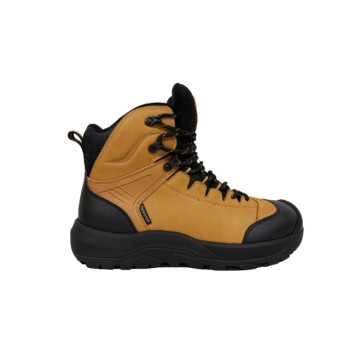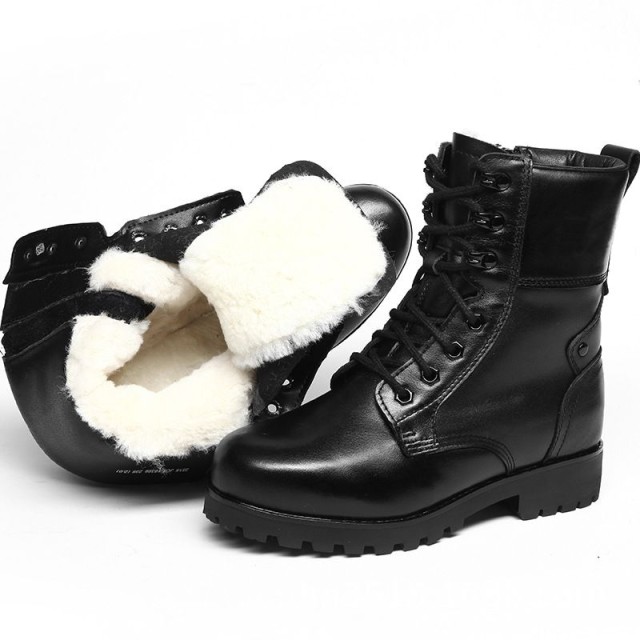
Winter footwear isn’t one-size-fits-all. Selecting the right boots—whether for urban commutes or backcountry adventures—requires understanding key design differences and how they align with environmental demands. This guide breaks down the critical features of snow boots versus winter boots, helping you match footwear to your specific activities and climate conditions.
Design Differences Between Snow and Winter Boots
Shaft Height and Insulation: Barrier Against Snow vs. Basic Cold Protection
Snow boots prioritize defense against deep snow:
- High shafts (often 10+ inches) prevent snow ingress during activities like snowshoeing.
- Heavy insulation (e.g., Thinsulate or fleece liners) maintains warmth in sub-zero temperatures.
Winter boots focus on urban adaptability:
- Mid-height shafts (6–8 inches) balance mobility and slush protection.
- Moderate insulation suits temperatures above freezing, avoiding overheating during short walks.
Key Insight: Research shows wet feet in freezing conditions can lead to frostbite. Deep snow demands taller, insulated designs, while city dwellers benefit from lighter, breathable options.
Waterproofing Technologies: Gore-Tex and Beyond
Both boot types use waterproof membranes, but material choice impacts performance:
- Snow boots: Often feature seam-sealed construction (like rubber or eVent fabric) for prolonged wet exposure.
- Winter boots: May use treated leather or Gore-Tex for splash resistance during commutes.
Did you know? One-piece rubber boots eliminate seams entirely, ideal for extreme wetness—useful for ice fishing or farming.
Sole Engineering: Traction Lug Patterns for Snow vs. Pavement
-
Snow boots:
- Deep, aggressive lugs (4+ mm) grip loose snow.
- Vibram Arctic Grip soles prevent ice slippage.
-
Winter boots:
- Shallow, multi-directional treads handle pavement and salted walkways.
- Flexible soles prioritize comfort for daily wear.
Pro Tip: For mixed terrain, look for hybrid soles with moderate lug depth.
Functional Applications by Scenario
Deep Snow Terrain: Backpacking and Snowshoeing
-
Best for snow boots:
- Backpacking: Insulated, waterproof designs with ankle support.
- Snowshoeing: High shafts paired with gaiters prevent snow buildup.
- Avoid: Low-cut winter boots; snow ingress risks cold injury.
Example: A -20°F trek demands boots rated for extreme cold, like those with composite toes (metal conducts cold).
Urban Winter: Slush, Salt, and Short Commutes
-
Best for winter boots:
- Slush resistance: Waterproof leather with sealed seams.
- Easy on/off: Lightweight designs for subway rides or errands.
- Avoid: Over-insulated snow boots; they’ll overheat indoors.
Real-World Fit: A commuter might prioritize style and salt-stain resistance without sacrificing warmth.
Key Selection Criteria
Activity-Specific Demands
| Activity | Boot Type | Critical Features |
|---|---|---|
| Ice fishing | Snow boots | Rubber construction, toe warmth |
| Dog walking | Winter boots | Slip-resistant soles |
| Mountain hiking | Snow boots | Ankle support, crampon-compatible |
Climate Severity and Snowfall Frequency
- Heavy snow/arctic climates: Snow boots with temperature ratings matching local lows.
- Mild winters (occasional snow): Winter boots with waterproofing and removable liners.
Closing Thought: The right boots quietly elevate safety and comfort—whether navigating icy trails or bustling streets.
Ready to equip your clients with the perfect winter footwear? 3515 offers bulk solutions for distributors and brands, combining cutting-edge materials with activity-specific designs. [Contact us] to discuss custom options tailored to your market’s needs.
Related Products
- Premium Insulated Safety Boots and Shoes for Wholesale & Bulk Orders
- Factory Direct Wholesale Rain Boots Durable Waterproof & Fully Customizable
- Durable Waterproof Rain Boots | Custom Manufacturer for Wholesale & Brands
- Wholesale Waterproof Tactical Boots Custom Suede & High-Traction Soles
- Premium Waterproof High-Cut Industrial Safety Boots for Wholesale and Bulk Orders
Related Articles
- More Than Warmth: The Dual-System Safety Engineering of Insulated Boots
- How to Choose Cold-Weather Safety Boots: Material Science Meets Sub-Zero Performance
- How to Choose Snow Boot Insulation for Any Weather and Activity
- How to Choose Snow Boot Insulation for Your Climate and Activities
- How to Choose Winter Boots That Actually Work for Your Climate and Lifestyle