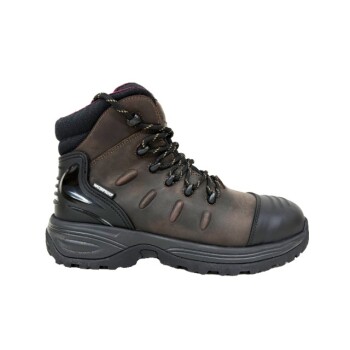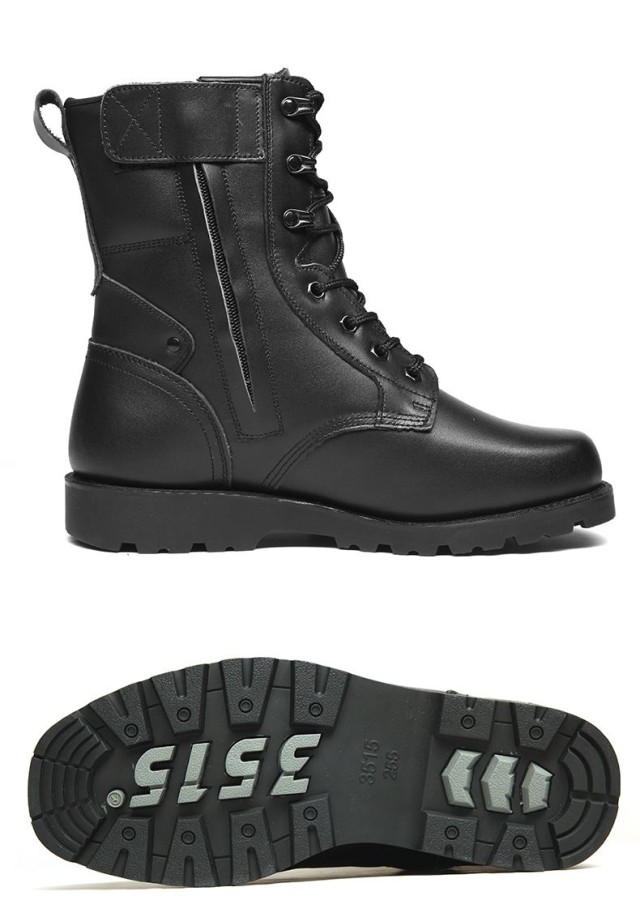
For law enforcement professionals, poorly conditioned boots aren't just uncomfortable—they're operational liabilities. This protocol combines podiatric science with field-tested methods to achieve patrol-ready footwear while preventing blisters and preserving gear integrity.
Tactical Footwear Fundamentals
Why Standard Break-In Methods Fail Police Demands
Retail store advice like "wear them around the house" dangerously underestimates police requirements. Patrol officers average over 15,000 steps per shift with sudden direction changes, stair climbs, and prolonged standing—conditions that expose inadequate break-in processes. Common civilian methods lead to:
- Pressure points at the metatarsals from insufficient midsole molding
- Heel slippage during pursuits due to improper counter shaping
- Premature sole separation from uneven flex point development
Material Science of Modern Duty Boots
Today's advanced police boots combine rigid safety components with flexible movement zones:
- Ankle Collars use memory foam that requires heat activation
- Torsion Shanks need progressive resistance training
- Waterproof Membranes demand careful moisture cycling
Understanding these material behaviors informs every phase of our protocol.
Proven Break-In Protocol
Phase 1: Strategic Conditioning (72-Hour Preparation)
Begin three days before first operational wear:
-
Heat Activation
Use a handheld dryer on medium heat for 90-second intervals, focusing on:- Ankle collar articulation points
- Toe box flex zones
Follow with manual flexion exercises
-
Damp Conditioning
Insert slightly damp (not wet) wool socks overnight to:- Gradually expand leather fibers
- Pre-mold footbed contours
- Avoid over-saturation damage
-
Targeted Pressure Application
Use tongue depressors to pre-crease critical bend points
Phase 2: Load Simulation Drills
Progressively mimic duty conditions:
| Session | Duration | Activity Focus |
|---|---|---|
| 1 | 45 min | Stair repeats with full gear |
| 2 | 90 min | Lateral movement drills |
| 3 | 120 min | Weighted standing simulations |
Always use moisture-wicking socks during drills and inspect for hot spots
Phase 3: Full Mobility Validation
Conduct a final assessment:
- Ladder Test confirms ankle mobility
- Grapple Drill checks toe box clearance
- 5-Minute Sprint verifies heel lockdown
Operational Maintenance Synergy
Moisture Control Combat Tactics
The leading cause of boot degradation isn't wear—it's moisture damage. Implement:
- The 24-Hour Recovery Rule: Never wear the same boots consecutive days
- Cedar Tree Insert Protocol: Absorbs 30% more moisture than silica packs
- Pulsed Drying Technique: Alternate drying periods to preserve membranes
Emergency Blister Mitigation During Patrols
When hot spots develop:
- Apply hydrocolloid patches (lasts 8x longer than moleskin)
- Re-lace using the "Lockdown Lacing" method:
- Skip one eyelet at pressure points
- Create parallel lace channels
- Insert temporary foam shims between sock layers
Ready to equip your team with properly engineered duty footwear? 3515 partners with law enforcement agencies to manufacture boots designed for this exact break-in protocol. Our production expertise ensures every pair meets the unique demands of tactical professionals—from material selection to stress point reinforcement. Contact our bulk solutions team today for footwear that performs when it matters most.
Related Products
- Durable High-Ankle Tactical Boots for Wholesale & Custom Manufacturing
- Wholesale Durable Mid-Cut Tactical Boots for Custom & Private Label Brands
- Durable Mid-Cut Tactical Boots for Wholesale & Private Label
- High-Traction Suede Tactical Boots Wholesale & Custom Manufacturing
- Durable Leather Tactical Boots Wholesale & Custom Manufacturing for Brands
Related Articles
- Why Your Tactical Boots Keep Failing—And Why 'Tougher' Isn't the Answer
- Why Your Tactical Boots Wear Out So Fast—And the Procurement Mistake Behind It
- The Agility-Protection Paradox: Deconstructing Safety in Modern Tactical Footwear
- Your "Tactical" Boots Are Failing. Here’s the Real Reason Why.
- Why Your Team Hates Their New Tactical Boots: A Buyer's Guide to What Really Matters