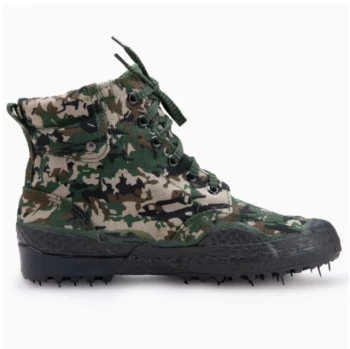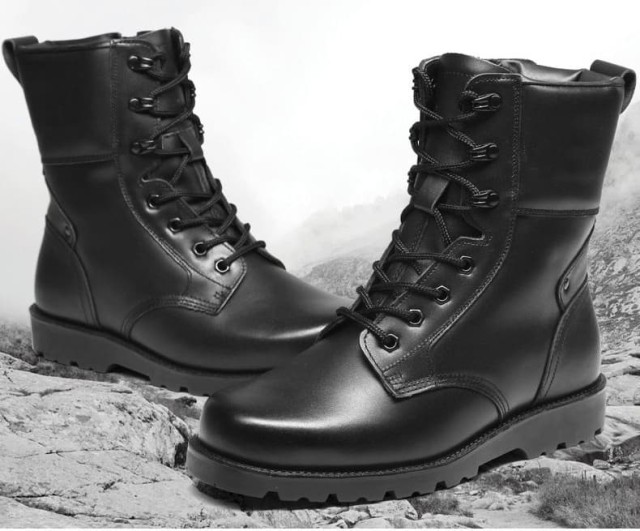
Snowmobile boots face a unique engineering challenge: they must keep feet warm in subzero temperatures while preventing moisture buildup from sweat or snow, all without sacrificing mobility. This article breaks down the material innovations and ergonomic designs that make modern snowmobile boots capable of handling these competing demands.
The Science of Weatherproofing in Snowmobile Boots
Hydrostatic Resistance: How Waterproof Membranes Block Moisture
The outer layers of high-performance snowmobile boots use tightly woven fabrics laminated with membranes like ePTFE (expanded polytetrafluoroethylene). These membranes contain microscopic pores smaller than water droplets but large enough to allow vapor from sweat to escape. Research shows such materials can withstand water pressure equivalent to heavy snowfall or brief submersion without leakage.
Key features:
- Seam-sealed construction prevents water ingress at stitching points
- Durable water-repellent (DWR) coatings cause moisture to bead up and roll off
Insulation Dynamics: Retaining Heat Without Bulk
Traditional insulation like thick wool adds warmth but restricts movement. Modern boots use advanced synthetics (e.g., PrimaLoft®) or aerogel-infused liners that trap warm air in microscopic pockets. These materials provide comparable warmth at about half the thickness of traditional insulation.
Balancing Breathability and Protection
Moisture-Vapor Transmission Rates in Action
Effective boots must manage internal moisture—a rider’s sweat can produce over a cup of moisture during a 4-hour ride. Breathable membranes with high MVTR (moisture-vapor transmission rates) allow this vapor to escape while blocking external moisture.
Ventilation Systems for Active Riders
Strategic vent placements (often near the calf or instep) create airflow channels. Some designs incorporate:
- Adjustable mesh panels for on-demand airflow
- Wicking liners that pull moisture away from the skin
Ergonomic Engineering for Long-Term Comfort
Anatomical Support and Fatigue Reduction
Boots designed for prolonged wear often feature:
- Contoured footbeds that align with the arch and heel
- Shock-absorbing midsoles to reduce joint strain
- Asymmetric ankle support for natural movement
Traction Technologies for Slippery Terrains
Soles like Vibram Arctic Grip use rubber compounds that remain flexible in extreme cold, with tread patterns designed to:
- Channel snow and slush away from contact points
- Provide multi-directional grip on ice or packed snow
- Resist oils and chemicals (e.g., from sled maintenance)
Conclusion: Technology That Works Where Winter Is Harshest
Today’s snowmobile boots are feats of material science—thin yet warm, waterproof yet breathable, sturdy yet agile. Whether you’re a backcountry explorer or a trail rider, understanding these innovations helps you choose boots that perform when temperatures plummet.
Ready to equip your customers with high-performance winter footwear? 3515 specializes in manufacturing advanced snowmobile boots for distributors and brands. Our expertise in weatherproof materials and ergonomic design ensures footwear that meets the demands of extreme cold. [Contact our team] to discuss bulk solutions tailored to your market.
Related Products
- Durable Spiked Camouflage Boots Wholesale & Factory Production
- Wholesale Waterproof Tactical Boots Custom Suede & High-Traction Soles
- Wholesale High-Traction Camo Boots - Custom Manufacturer for Brands
- Wholesale Lightweight Tactical Boots Custom Manufacturer for Desert & Combat Use
- Factory Direct Wholesale Rain Boots Durable Waterproof & Fully Customizable
Related Articles
- How to Choose Waterproof Boots That Actually Work for Your Needs
- How Waterproof Boots Shield Police Officers from Chronic Foot Damage and Boost Tactical Efficiency
- The Science Behind Camouflage in Hunting Boots: Matching Patterns to Prey and Terrain
- The Chemistry of Failure: Why Oil-Resistant and Waterproof Boots Solve Fundamentally Different Problems
- From Battlefield to Streetwear: The Dual Identity of Military Camouflage Boots