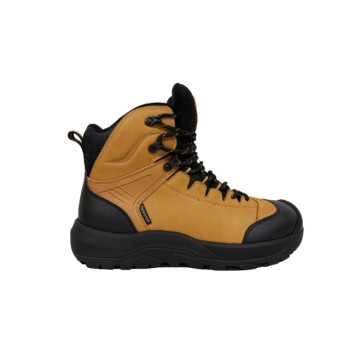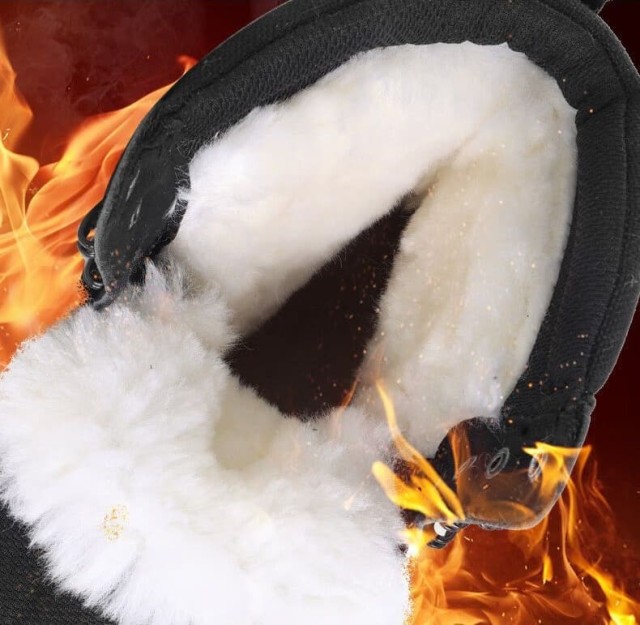
When deep snow blankets the slopes, your boots become the critical interface between you and the mountain. Understanding the functional science behind snow boot features ensures you choose footwear that matches your activity type and age group—whether you're carving fresh powder or building snow forts with kids.
Key Features for Optimal Warmth in Deep Snow
How Layered Insulation Traps Body Heat
Modern snow boots use strategic layering to create microclimates around your feet. The inner lining wicks moisture away from the skin, while mid-layers of synthetic or natural fibers (like wool) trap warm air. Research shows that staggered insulation layers can retain heat up to 30% more effectively than single-layer designs.
Pro Tip: Look for boots with removable liners—they allow you to adjust warmth levels and dry faster after use.
Thermal Technologies: From Foam to Aerogel
- Closed-cell foam: Lightweight and water-resistant, ideal for moderate cold.
- Aerogel: Used in premium boots, this space-age material provides exceptional warmth without bulk.
- Reflective foil: Thin metallic layers redirect body heat inward, often found in mountaineering boots.
Why Lighter Insulation Works for Active Users
Heavy insulation can overheat feet during high-energy activities like snowshoeing. Brands now prioritize breathable materials (e.g., PrimaLoft®) that balance warmth with airflow. For teens and adults who stay active, lighter boots reduce fatigue while maintaining core temperature.
Stability and Traction in Variable Conditions
The Role of Collar Height in Snow Immersion
High-cut collars (8–12 inches) prevent snow ingress but limit ankle mobility. For powder skiing, taller collars are essential; for casual use, mid-height designs offer better flexibility.
Traction Outsoles: Rubber Compounds vs. Lug Patterns
| Feature | Best For | Example Use Case |
|---|---|---|
| Sticky rubber | Icy surfaces | Walking on packed trails |
| Deep lugs | Fresh powder | Backcountry exploration |
Case Study: On icy slopes, boots with zigzag lugs and softer rubber compounds reduce slip incidents by nearly half compared to flat soles.
Special Considerations for Kids’ Snow Boots
Balancing Warmth and Mobility for Growing Feet
Children’s boots prioritize flexible soles to support developing foot muscles. Look for:
- Adjustable cuffs: Accommodate thicker socks without restricting circulation.
- Reinforced toes: Resist wear from kicking snow.
Durability vs. Weight in Rugged Designs
While kids’ boots need robust materials to withstand rough play, lighter composites (e.g., EVA midsoles) prevent fatigue during all-day wear.
Ready to Equip Your Next Adventure?
3515 partners with distributors and brands to deliver scientifically engineered snow boots for every winter scenario. From aerogel-insulated mountaineering boots to agile kids’ designs, our production expertise ensures footwear that performs when temperatures drop. [Contact 3515] to explore bulk solutions tailored to your clients’ needs.
Related Products
- Premium Insulated Safety Boots and Shoes for Wholesale & Bulk Orders
- Factory Direct Wholesale Rain Boots Durable Waterproof & Fully Customizable
- Durable Waterproof Rain Boots | Custom Manufacturer for Wholesale & Brands
- Wholesale Waterproof Tactical Boots Custom Suede & High-Traction Soles
- Wholesale Lightweight Tactical Boots Custom Manufacturer for Desert & Combat Use
Related Articles
- More Than Warmth: The Dual-System Safety Engineering of Insulated Boots
- How to Choose Cold-Weather Safety Boots: Material Science Meets Sub-Zero Performance
- How to Choose Snow Boot Insulation for Any Weather and Activity
- How to Choose Snow Boot Insulation for Your Climate and Activities
- How to Choose Winter Boots That Actually Work for Your Climate and Lifestyle