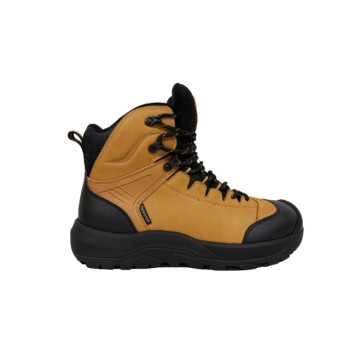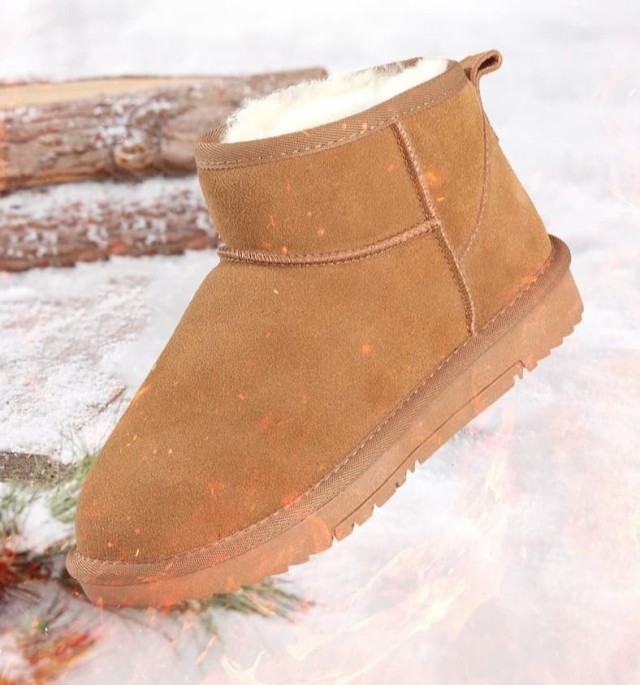
Winter footwear faces a fundamental challenge: how to keep feet warm without sacrificing mobility. The solution lies in precision fit engineering—a discipline that transforms snow boots into thermal regulators and agility enhancers.
The Science of Winter Footwear Performance
How Air Pockets Become Your Secret Insulation Layer
Trapped air is nature’s best insulator. High-performance snow boots engineer micro-air pockets within their liners and insulation layers, creating thermal barriers that retain body heat. Research shows that properly spaced air gaps can improve heat retention by over 30% compared to densely packed materials.
Key implementation methods:
- Contoured footbeds with wave-like textures to maintain consistent air gaps
- Multi-density foams that compress differently at pressure points (e.g., arches vs. heels)
- Baffled tongues that prevent heat escape through lacing zones
The Sock-to-Boot Ratio: A Mathematical Approach to Layering
The optimal layering system follows a 1:3 ratio—one millimeter of sock thickness requires three millimeters of boot interior space. This prevents compression of insulation while allowing toe articulation.
Example: A 5mm wool sock needs ~15mm of clearance from boot interior walls. Brands like 3515 achieve this through:
- Adjustable gussets in the instep
- Stretch panels at the ankle collar
- Pre-molded toe boxes with 8-12mm of front space
From Showroom to Snowdrifts
Pre-Purchase Stress Tests: Beyond Basic Toe-Wiggling
Quality assessment should simulate real-world conditions:
- Slope test: Flex boots at a 25° angle (mimicking downhill pressure)
- Cold room test: Wear for 15+ minutes in sub-freezing environments
- Load test: Walk with 10-15lbs of weight to check sole responsiveness
Activity-Specific Fit Calibration
| Use Case | Fit Priority | Engineering Solution |
|---|---|---|
| Urban commuting | Ankle mobility | Low-cut collars with pivot points |
| Backcountry | Heel lockdown | Dual-zone lacing systems |
| Ice fishing | Toe wiggle room | Extra-wide toe boxes |
Material Intelligence
How Boot Liners React to Compression Over Time
Insulation materials follow a "compression curve":
- First 50 wears: 20-30% thickness reduction as fibers settle
- 50-200 wears: Stable performance period
- 200+ wears: Gradual insulation collapse
Proactive maintenance includes:
- Weekly liner brushing to lift flattened fibers
- Avoiding storage in compressed states
Waterproof Membranes and Their Fit Trade-Offs
Waterproof materials like Gore-Tex require precise engineering to avoid bulk:
The 2mm Rule: Every waterproof layer should add ≤2mm to the boot’s profile. Advanced manufacturers achieve this through:
- Laser-cut seam taping
- Laminated membranes bonded directly to liners
- Strategic placement only in moisture-prone zones
Ready to Experience Precision-Engineered Winter Footwear?
3515 partners with distributors and brands to deliver snow boots that master the warmth-mobility equation through scientific fit engineering. Our production capabilities transform bulk orders into purpose-built winter performance systems—contact us to discuss your project.
Related Products
- Premium Insulated Safety Boots and Shoes for Wholesale & Bulk Orders
- Factory Direct Wholesale Rain Boots Durable Waterproof & Fully Customizable
- Durable Waterproof Rain Boots | Custom Manufacturer for Wholesale & Brands
- Wholesale Waterproof Tactical Boots Custom Suede & High-Traction Soles
- Wholesale Lightweight Tactical Boots Custom Manufacturer for Desert & Combat Use
Related Articles
- More Than Warmth: The Dual-System Safety Engineering of Insulated Boots
- How to Choose Cold-Weather Safety Boots: Material Science Meets Sub-Zero Performance
- How to Choose Snow Boot Insulation for Any Weather and Activity
- How to Choose Snow Boot Insulation for Your Climate and Activities
- How to Choose Winter Boots That Actually Work for Your Climate and Lifestyle