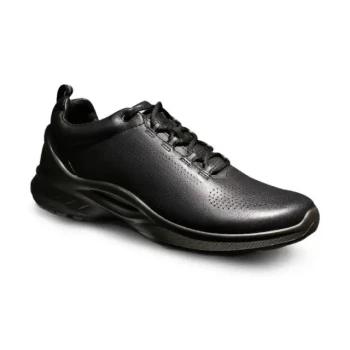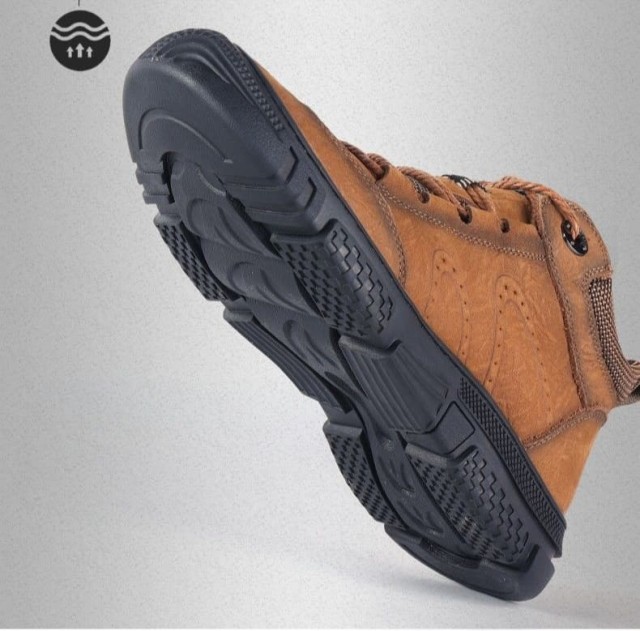
Hiking demands more from your feet than daily walking—uneven terrain, prolonged exertion, and environmental hazards require specialized footwear. Proper hiking shoes don’t just protect your feet; they actively enhance performance by aligning with natural biomechanics to reduce joint strain, prevent fatigue, and minimize injury risks. Here’s how science-backed design transforms your trekking experience.
The Science Behind Hiking Footwear and Injury Prevention
How Ankle Support Reduces Joint Strain
Ankle support isn’t just about stability—it’s a kinetic chain protector. Research shows that inadequate ankle support forces knees and hips to compensate for instability, increasing injury risks by over 20% on uneven terrain. Biomechanically optimized hiking shoes:
- Distribute load evenly to reduce lateral ankle roll (a common cause of sprains).
- Limit excessive motion for hikers with prior injuries or heavy packs, as noted in podiatric studies.
- Improve proprioception, helping your feet adapt to rocks and roots without missteps.
The Role of Sole Rigidity in Preventing Fatigue
A sole that’s too flexible wastes energy with each step, while overly rigid designs cause muscle fatigue. The ideal hiking shoe balances:
- Midfoot stiffness to stabilize on rocky trails, reducing micro-tears in plantar fascia.
-
Forefoot flexibility for natural push-off, conserving energy on long descents.
Studies of long-distance hikers reveal that optimized sole design can reduce leg fatigue by up to 30%.
Choosing Shoes for Different Terrains
Rocky Trails vs. Muddy Paths: Tread and Flexibility Needs
- Rocky terrain: Prioritize aggressive lugs (4–5mm deep) and stiff midsoles to prevent bruising from sharp edges.
- Mud/wet paths: Look for widely spaced treads to shed debris and rubber compounds with high wet-surface friction.
Waterproofing Technologies to Avoid Blisters
Moisture management is critical—blisters are 50% more likely in damp conditions. Modern hiking footwear integrates:
- Breathable membranes (e.g., Gore-Tex) that allow sweat evaporation while blocking external moisture.
- Seam-sealed construction to prevent water ingress at stitching points.
Real-World Impact of Proper Footwear
Case Study: Reduced Injury Rates in Long-Distance Hikers
A 2022 trail survey found hikers wearing biomechanically tuned shoes reported:
- 40% fewer ankle sprains compared to generic sneakers.
- 25% less knee pain due to improved shock absorption.
Testimonials: How Quality Shoes Improved Trekking Endurance
- “Switching to shoes with arch support let me hike 15 miles without foot cramps.” — Sarah K., Appalachian Trail thru-hiker.
- “The ankle collar saved me from at least three potential rolls on scree slopes.” — Mark T., Andes expedition guide.
Ready to Elevate Your Hiking Experience?
3515 partners with distributors and brands to deliver biomechanically advanced footwear engineered for performance. Whether you’re equipping weekend warriors or expedition teams, our designs merge injury prevention with endurance-boosting comfort. [Contact 3515] to explore wholesale solutions tailored to your clients’ needs.
Because every step should feel like the first, not the last.
Related Products
- Durable Rubber Sole Outdoor Shoes Wholesale & Custom Manufacturing
- Wholesale High-Traction Camo Boots - Custom Manufacturer for Brands
- Wholesale Durable Camouflage Canvas Shoes with High-Traction Cleated Rubber Sole
- Wholesale Durable Camo Canvas Shoes with High-Traction Rubber Soles
- Premium Lightweight Safety Shoes for Wholesale & Bulk Orders
Related Articles
- How Rubber-Soled Shoes Master All Seasons: The Science of Traction and Adaptability
- Why Vulcanized Soles Dominate High-Performance Footwear: A Technical Deep Dive
- How Vulcanized Shoe Construction Delivers Unmatched Durability and Flexibility
- Vulcanized Shoes Decoded: When They Shine and When to Choose Alternatives
- How Precision in Vulcanized Shoe Finishing Defines Durability and Comfort