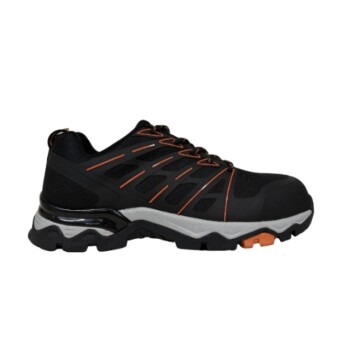
Installing additional Inertial Measurement Units (IMU) on athletic equipment transforms biomechanical data from a simple motion study into a comprehensive analysis of human-gear interaction. Rather than tracking the athlete in isolation, these sensors monitor the specific movement state of the equipment—such as yaw, roll, and angle of attack—in relation to the wearer's body posture. This approach allows researchers to quantify how precise foot control directly influences the aerodynamic performance and physical stability of the gear.
By instrumenting the equipment alongside the athlete, you bridge the gap between human input and mechanical output. This reveals the causal link between foot mechanics and the aerodynamic stability of the equipment, driving the creation of superior tactical and athletic footwear.
Bridging Human Input and Equipment Response
Monitoring the Interaction
Standard biomechanics tracks the body, but equipment-mounted IMUs track the result of the body's movement.
This dual-monitoring approach captures the dynamic interaction between the wearer’s posture and the equipment's physical state.
Measuring Complex Movement States
To understand stability, you need more than just position data.
Additional IMUs provide critical rotational data, specifically measuring yaw, roll, and angle of attack. These metrics define exactly how the equipment is orienting itself through space in real-time.
The Impact on Performance and Design
Analyzing Aerodynamic Performance
In high-speed or wind-dependent contexts, the orientation of the equipment dictates drag and lift.
By correlating foot control with the equipment's angle of attack, researchers can determine which movements maximize aerodynamic efficiency.
Enhancing Controllability and Stability
The data reveals how slight variations in foot placement or pressure affect the equipment's stability.
Understanding this relationship is essential for analyzing how "precise foot control" translates into stable equipment behavior versus erratic movement.
Developing Specialized Footwear
The ultimate application of this data is in product engineering.
Insights gained from these experiments support the development of specialized footwear and tactical boots. These products can be engineered to enhance the wearer's ability to maintain stability and control over their equipment.
Understanding the Trade-offs
Added Weight and Inertia
While IMUs are generally small, attaching any external device to athletic equipment can alter its balance.
You must ensure the sensors are lightweight and positioned near the center of mass to avoid artificially affecting the equipment's natural movement.
Data Synchronization Complexity
Doubling the number of sensors increases the complexity of the data pipeline.
Ensuring that the timestamps of the body-worn sensors align perfectly with the equipment-mounted sensors is critical; even a millisecond of drift can lead to incorrect conclusions about cause and effect.
Making the Right Choice for Your Goal
To maximize the value of your biomechanical experiments, tailor your approach to your specific end goal:
- If your primary focus is Aerodynamic Optimization: Prioritize IMU placement that captures the specific angle of attack and roll to minimize drag.
- If your primary focus is Footwear Product Design: Focus on correlating the wearer's foot input with equipment instability to engineer boots that correct or dampen erratic motion.
Instrumenting the equipment is the only way to turn subjective "feel" into objective, actionable engineering data.
Summary Table:
| Key Metric | Equipment Insight Captured | Biomechanical Benefit |
|---|---|---|
| Yaw & Roll | Rotational stability of the gear | Analyzes equipment control during motion |
| Angle of Attack | Aerodynamic orientation | Optimizes drag and lift efficiency |
| Pressure Input | Correlation with foot placement | Directs the design of specialized outsoles |
| Dynamic State | Human-gear interaction | Quantifies the causal link between input & output |
Elevate Your Product Performance with 3515 Footwear Expertise
As a large-scale manufacturer serving distributors and brand owners globally, 3515 leverages deep biomechanical insights to deliver superior footwear solutions. Whether you are developing high-performance tactical gear or specialized athletic lines, our comprehensive production capabilities ensure your products meet the highest standards of stability and control.
Our extensive portfolio includes:
- Flagship Safety Shoes & Tactical Boots: Engineered for precision and protection.
- Outdoor & Training Footwear: Optimized for durability and athlete response.
- Casual Sneakers & Formal Dress Shoes: Tailored for diverse bulk requirements.
Ready to transform your footwear concepts into market-leading products? Contact us today to discuss your bulk manufacturing needs and see how our expertise can add value to your brand.
References
- Jinglun Yu, Shengnian Zhang. Key transition technology of ski jumping based on inertial motion unit, kinematics and dynamics. DOI: 10.1186/s12938-023-01087-x
This article is also based on technical information from 3515 Knowledge Base .
Related Products
- Advanced KPU Athletic Safety Shoe with Steel Toe Cap Anti-Slip Rotary Lacing System
- Lightweight Breathable Sneakers with Wet-Traction Grip for Wholesale & Private Label
- Premium KPU Injection Athletic Style Safety Shoes
- Wholesale Breathable Training Shoes Custom Athletic Footwear Manufacturer
- Wholesale Breathable Athletic Sneakers - Custom Lightweight Cushioned Footwear Manufacturer
People Also Ask
- What are the key differences between steel toe and composite toe caps? Choose the Right Safety for Your Job
- What impact do steel toe caps have on toe skin health? Prevent Friction and Pressure in Your Safety Shoes
- What are the primary protective functions of safety shoes with steel toes in the automotive repair industry?
- What type of safety shoe is recommended for workers exposed to heavy machinery? Steel Toe Boots for Ultimate Protection
- How does defining specific friction interface models in FEA assist in predicting safety shoe toe cap failure modes?