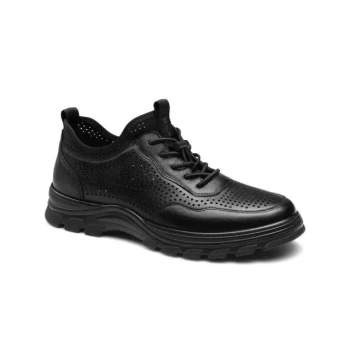
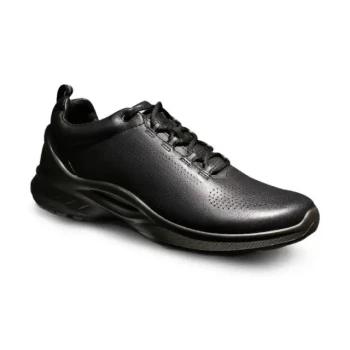
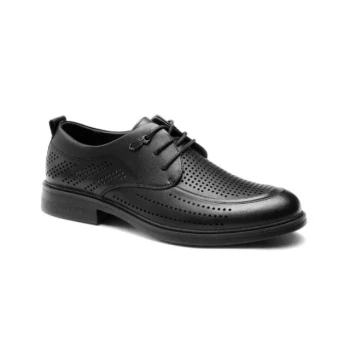
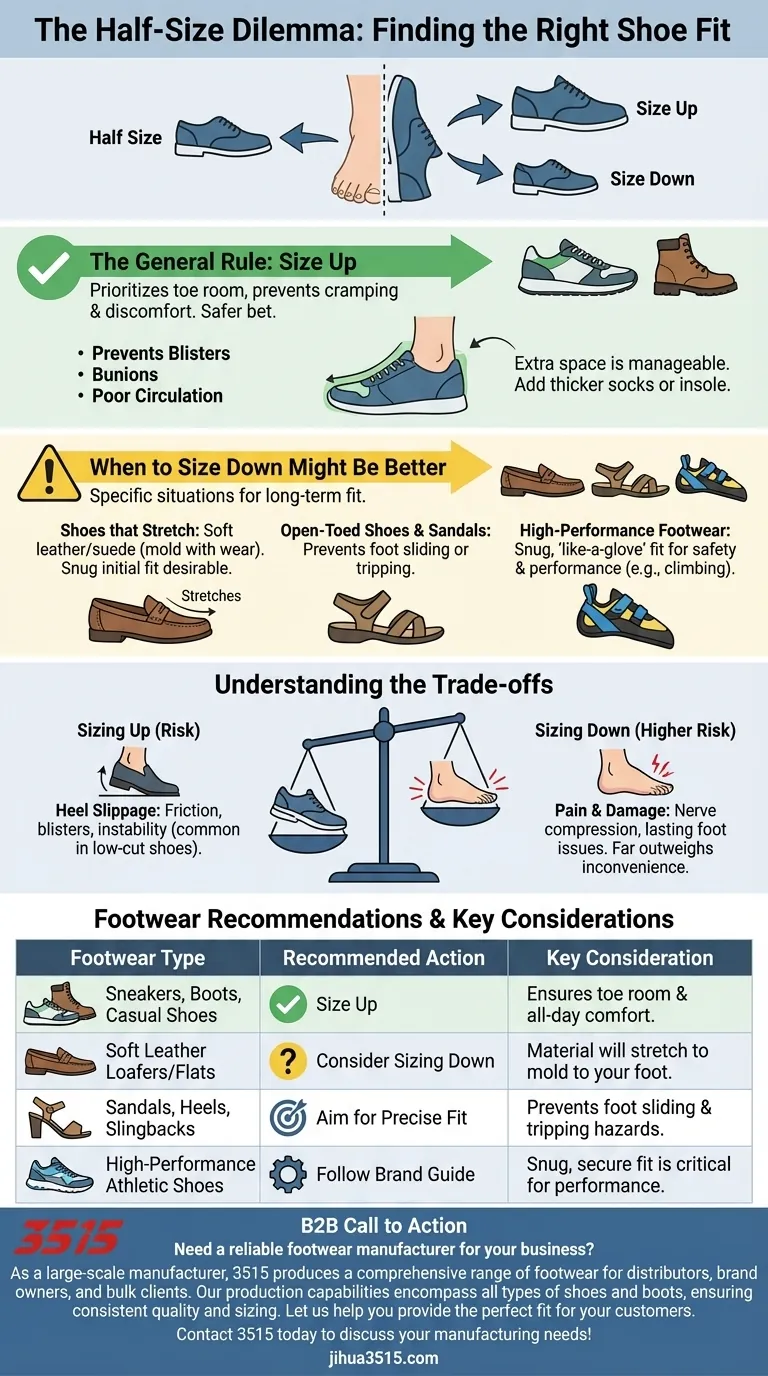
When you're a half size, finding the right shoe can feel like a compromise. The standard recommendation is to choose the next full size up. This approach prioritizes giving your toes enough room to prevent cramping and discomfort, which is often a safer bet than squeezing into a shoe that's too small.
While sizing up is the most common advice, the best decision ultimately depends on the shoe's material, type, and intended use. Understanding the principles of a proper fit is far more valuable than adhering to a single rule.
Why Sizing Up is the Standard Advice
The default recommendation to size up is rooted in preventing the significant problems caused by shoes that are too tight. A little extra space is almost always more manageable than not enough.
The Dangers of a Shoe That's Too Small
A shoe that is even slightly too short can lead to immediate and long-term foot issues. This includes blisters, bunions, hammertoes, and poor circulation.
The Advantage of Extra Room
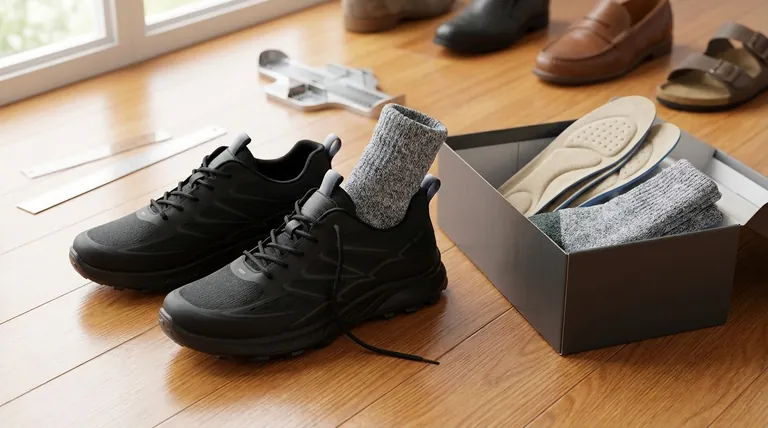
A bit of extra length at the toe is far less problematic than a cramped toe box. You can often mitigate minor looseness with thicker socks or a simple insole, options you don't have if the shoe is too tight from the start.
When Sizing Down Might Be the Better Choice
Although less common, there are specific situations where choosing the smaller size is the more logical path to a good long-term fit.
Shoes Designed to Stretch
Shoes made from soft, natural materials like leather or suede will stretch and mold to your foot over time. For these, a snug initial fit is often desirable, as they will loosen with wear.
Open-Toed Shoes and Sandals
With sandals, mules, or slingbacks, too much extra length can be a problem. It can cause your foot to slide forward or create a tripping hazard, making a more precise fit more critical.
High-Performance Footwear
For certain athletic shoes, like those for climbing or track, a very snug, "like-a-glove" fit is essential for performance and safety. In these niche cases, sizing down might be necessary if the shoe runs large.
Understanding the Trade-offs
Every sizing decision involves balancing comfort and function. Being aware of the potential downsides of each choice helps you make a more informed decision.
The Risk of Sizing Up
The primary drawback of sizing up is heel slippage. If your heel lifts out of the back of the shoe as you walk, it can cause friction, blisters, and an unstable feeling. This is particularly common in low-cut shoes like loafers or pumps.
The Risk of Sizing Down
This is almost always the higher-risk option. The potential for pain, nerve compression, and lasting foot damage from a shoe that's too small far outweighs the inconvenience of a shoe that's slightly loose.
Making the Right Choice for Your Footwear
Use your goal to guide your decision. A proper fit should always be assessed at the end of the day when your feet are at their largest.
- If your primary focus is sneakers, boots, or casual shoes: Sizing up is the safest and most reliable choice for ensuring all-day comfort.
- If your primary focus is soft leather loafers or flats: Consider trying the smaller size, as these materials will stretch and you want to prevent heel slip.
- If your primary focus is sandals or heels: Prioritize a precise fit to prevent your foot from sliding, which may mean sizing down if the shoe runs long.
- If your primary focus is athletic performance: Rely on brand-specific sizing guides and prioritize a snug fit that feels secure without pinching.
Ultimately, trusting how the shoe feels on your foot is the most reliable guide to a perfect fit.
Summary Table:
| Footwear Type | Recommended Action | Key Consideration |
|---|---|---|
| Sneakers, Boots, Casual Shoes | Size Up | Ensures toe room and all-day comfort. |
| Soft Leather Loafers/Flats | Consider Sizing Down | Material will stretch to mold to your foot. |
| Sandals, Heels, Slingbacks | Aim for Precise Fit | Prevents foot sliding and tripping hazards. |
| High-Performance Athletic Shoes | Follow Brand Guide | A snug, secure fit is critical for performance. |
Need a reliable footwear manufacturer for your business?
As a large-scale manufacturer, 3515 produces a comprehensive range of footwear for distributors, brand owners, and bulk clients. Our production capabilities encompass all types of shoes and boots, ensuring consistent quality and sizing.
Let us help you provide the perfect fit for your customers.
Contact 3515 today to discuss your manufacturing needs!
Visual Guide
Related Products
- Wholesale Durable Camouflage Canvas Shoes with High-Traction Cleated Rubber Sole
- Wholesale Breathable Perforated Leather Derby Shoes with Modern Comfort Sole
- Wholesale Modern Perforated Leather Derby Shoes with Chunky Sole for Custom Branding
- Wholesale Breathable Training Shoes Custom Athletic Footwear Manufacturer
- Wholesale Modern Comfort Shoes with Dial Closure for Private Label & Bulk Orders
People Also Ask
- Why is the selection of high-strength fabric materials necessary in the production of canvas shoes and training shoes?
- What are the properties of canvas as a shoe material? A Guide to Lightweight Comfort & Style
- Can canvas shoes be worn in rainy conditions? The Truth About Water Resistance
- What are some examples of vulcanized shoes? Discover the Flexibility and Board Feel of Classic Sneakers
- What are the characteristics of canvas as a shoe material? A Guide to Lightweight, Breathable Footwear