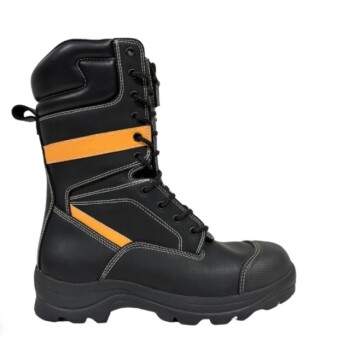
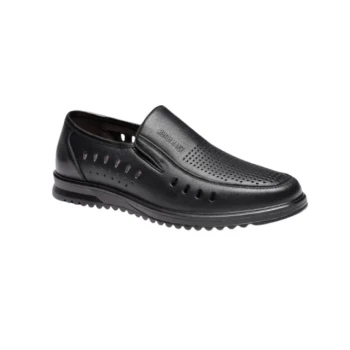
Disinfection spray equipment serves as the primary compliance mechanism for footwear logistics during epidemic prevention efforts. It utilizes physical coverage and chemical sterilization to sanitize footwear surfaces, production floors, and storage areas, directly neutralizing viral risks on packaging.
The core function of this equipment extends beyond sanitation; it is a tool for business continuity. By ensuring every item meets strict hygiene standards, it allows the supply chain to remain operational without violating health regulations.
The Mechanism of Compliance
To understand how this equipment ensures compliance, one must look at the specific areas it targets within the logistics framework.
Targeted Surface Sterilization
The equipment is mandated to perform sanitary sterilization on footwear surfaces.
This process uses chemical agents to physically cover the product. By treating the exterior of safety shoes and sneakers, the equipment ensures the goods themselves do not become vectors for disease.
Broad Environmental Control
Compliance is not limited to the product; it extends to the facility.
The equipment is utilized to sterilize production workshops and storage spaces. This creates a sanitized baseline environment, preventing re-contamination of goods before they enter the shipping channel.
Protecting the Supply Chain
The strategic role of disinfection equipment is to prevent the disruption of commerce due to health risks.
Interrupting Viral Transmission
The primary technical goal is blocking the risk of virus transmission via packaging surfaces.
Pathogens can survive on packaging materials, creating a hazard for handlers and customers. Spray equipment neutralizes this threat, creating a "safe passage" for goods moving through the logistics network.
Validating Consumer Safety
Regulatory bodies require proof that goods flowing to consumers meet strict hygiene and safety standards.
This equipment provides that validation. It ensures that every pair of shoes reaching the end-user has undergone the necessary processing to be deemed safe for handling and use.
Operational Considerations and Trade-offs
While essential for compliance, reliance on disinfection spray equipment introduces specific operational dynamics that must be managed.
The Requirement of Uniformity
For the protocol to work, every single pair of shoes must be treated.
Partial sterilization is effectively zero sterilization in the eyes of epidemic prevention. This requires a process that leaves no gaps, potentially influencing the speed of the production line.
Chemical Dependency
The system relies on chemical sterilization rather than purely physical barriers.
This necessitates the constant management of sterilization agents. The effectiveness of the compliance strategy is entirely dependent on the potency and correct application of these chemical inputs.
Ensuring Supply Chain Resilience
When integrating disinfection protocols into your logistics strategy, align your usage with your specific operational goals.
- If your primary focus is Regulatory Compliance: Prioritize the thorough physical coverage of all production and storage spaces to meet mandatory sanitary requirements.
- If your primary focus is Brand Trust: Emphasize the sterilization of packaging surfaces to guarantee that goods reaching the consumer are free from transmission risks.
Reliable disinfection is the bridge between a halted production line and a functioning, safe supply chain.
Summary Table:
| Compliance Function | Method of Action | Strategic Impact |
|---|---|---|
| Surface Sterilization | Chemical coverage of footwear & packaging | Neutralizes viral transmission risks |
| Environmental Control | Treatment of workshops & storage areas | Prevents cross-contamination in facilities |
| Supply Chain Security | Systematic disinfection protocols | Ensures operational continuity & brand trust |
| Safety Validation | Strict hygiene standard adherence | Meets regulatory requirements for end-users |
Secure Your Footwear Supply Chain with 3515
In an era where hygiene compliance is critical, 3515 provides more than just high-quality footwear; we provide peace of mind. As a large-scale manufacturer serving global distributors and brand owners, we implement rigorous safety protocols across our entire production line.
Whether you require our flagship Safety Shoes, tactical boots, or bulk orders of sneakers and dress shoes, our comprehensive manufacturing capabilities ensure every shipment meets the highest standards of safety and quality. Partner with a manufacturer that prioritizes your business continuity and consumer trust.
Ready to streamline your footwear sourcing? Contact 3515 Today to Discuss Your Requirements
References
- Stacia Reviany Mege, Farah Ula Nida. Sustainability of E Commerce Business through Logistic System in the COVID 19 Pandemic. DOI: 10.36346/sarjbm.2022.v04i03.005
This article is also based on technical information from 3515 Knowledge Base .
Related Products
- Lightweight Breathable Sneakers with Wet-Traction Grip for Wholesale & Private Label
- Wholesale Breathable Athletic Sneakers - Custom Lightweight Cushioned Footwear Manufacturer
- Wholesale Lightweight Cushioned Athletic Sneakers for Custom Bulk Production
- Durable Military Combat Boots with Water Drainage for Wholesale & OEM
- Wholesale Durable Safety Boots Manufacturer Customizable Steel Toe Work Boots
People Also Ask
- Why are breathable sneakers necessary for tropical commuting? Stay Cool and Dry in High Humidity
- What role do lightweight training shoes play in urban traffic? Boost Agility and Reaction for Safer City Navigation
- How do lightweight shoes provide support? The Science of Efficient Cushioning & Stability
- What are the style advantages of lightweight shoes? Sleek, Versatile & Modern Comfort
- How do lightweight shoes improve breathability? Discover the Science of Cool, Dry Feet