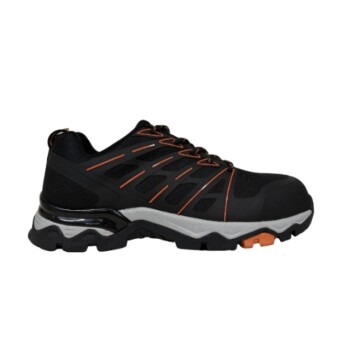
High-frame-rate 3D motion capture systems serve as the scientific backbone for footwear testing by quantifying the precise interaction between a wearer and their shoes. These systems utilize high-resolution cameras and reflective markers to convert physical movement into 3D coordinate data, capturing minute biomechanical changes at rates often exceeding 120Hz. This high-fidelity data allows researchers to evaluate how specific footwear designs—ranging from industrial safety boots to carbon-plated racing flats—influence joint angles, center-of-gravity displacement, and overall gait stability.
The primary role of these systems is to provide the objective, millimeter-level kinematic data necessary to validate a shoe's impact on human biomechanics. By capturing rapid movement sequences, they allow designers to see exactly how footwear materials and structures alter the body's natural motion.
Precision Kinematics and Movement Mapping
The Capture of High-Speed Biomechanics
High-frame-rate systems, often operating at frequencies like 120Hz, are essential for capturing events that happen too fast for the human eye or standard video. These systems record the time sequence from takeoff to peak during dynamic movements, ensuring that no critical phase of the gait cycle is missed.
3D Coordinate Transformation
By placing reflective markers on specific anatomical landmarks, the system converts complex body rotations into 3D coordinate data. This allows for the precise calculation of joint angle changes in the ankles, knees, and hips, revealing how a shoe's cushioning or support structures alter limb alignment.
Tracking Body Segment Coordination
Beyond the feet, these systems monitor the head, thorax, and pelvis to understand how footwear affects the entire kinetic chain. This holistic view is vital for determining if a shoe design introduces compensations or improves the coordination of body rotations during walking or running.
Quantifying Stability and Safety Performance
Center of Gravity and Mass Velocity
A critical role of motion capture in footwear testing is monitoring center-of-gravity (COG) displacement and center-of-mass velocity. These metrics are primary indicators of a shoe’s stability, especially when testing safety shoes designed to prevent falls or fatigue in industrial environments.
Foot Clearance and Trip Prevention
The system’s millimeter-level spatial precision allows researchers to measure foot clearance—the height the foot reaches during the swing phase. This data is crucial for evaluating whether a shoe’s outsole or weight profile increases the risk of tripping, providing essential safety validation.
Step Width and Vibrational Interference
Using overhead configurations, these systems can calculate step width variations with extreme accuracy. This is particularly useful when testing how footwear helps a subject maintain a stable gait when experiencing vibrational interference or uneven surfaces.
Evaluating Advanced Materials and Design
Assessing High-Performance Components
Motion capture is the definitive tool for measuring the subtle performance gains provided by materials like carbon fiber plates. By recording the precise displacement trajectory, researchers can quantify the "energy return" and efficiency gains these materials offer during the takeoff phase.
Validating Footwear Categorization
Different footwear types, such as training shoes versus safety shoes, impose different biomechanical demands. Motion capture provides the foundational data required for machine learning models to categorize and evaluate the performance of these distinct shoe types based on real-world movement patterns.
Understanding the Trade-offs
The Necessity of Controlled Environments
To ensure the reliability of 3D motion data, testing must occur in a controlled laboratory environment. While this eliminates external variables like wind or road surface changes, it may not perfectly replicate the unpredictable nature of "real-world" environments where the footwear will eventually be used.
Data Complexity and Processing Demands
The sheer volume of data generated by high-sampling-rate cameras requires significant computational power and expert analysis. While the precision is unmatched, the process of marker placement and data "cleaning" is time-consuming and sensitive to human error during the setup phase.
Making the Right Choice for Your Goal
When integrating 3D motion capture into footwear testing, the specific goals of the study should dictate the system configuration.
- If your primary focus is athlete performance: Prioritize high sampling rates (120Hz+) and millimeter precision to capture rapid takeoff trajectories and material energy return.
- If your primary focus is industrial safety: Emphasize center-of-gravity displacement and foot clearance metrics to ensure the footwear provides adequate stability and trip prevention.
- If your primary focus is gait consistency: Utilize overhead camera arrays to monitor step width variations and foundational trajectory data over long walking paths.
By leveraging the high-speed precision of 3D motion capture, footwear developers can move beyond subjective comfort and ground their designs in rigorous, objective biomechanical evidence.
Summary Table:
| Key Metric | Function in Footwear Testing | Importance for Industry |
|---|---|---|
| High-Speed Kinematics | Captures gait cycles at 120Hz+ frequencies. | Ensures no detail is missed during takeoff. |
| 3D Coordinate Data | Maps joint angles (ankle, knee, hip) via markers. | Validates cushioning and support alignment. |
| COG Displacement | Tracks Center of Gravity and Mass Velocity. | Critical for stability and fall prevention. |
| Foot Clearance | Measures millimeter-level swing phase height. | Essential for safety shoe trip-prevention. |
| Energy Return | Monitors displacement trajectory of plates/foams. | Quantifies performance gains in sneakers. |
Partner with 3515 for Biomechanically Validated Footwear Solutions
As a large-scale manufacturer serving global distributors and brand owners, 3515 leverages advanced production capabilities to ensure every shoe meets rigorous performance standards. Whether you require our flagship Safety Shoes engineered for stability, or high-performance sneakers, tactical boots, and dress shoes, we provide the manufacturing excellence needed to bring scientifically-backed designs to market.
Ready to elevate your product line with a trusted manufacturing partner?
Contact Us Today to discuss your bulk production requirements and discover the 3515 advantage.
References
- Tamaya Van Criekinge, Ann Hallemans. A full-body motion capture gait dataset of 138 able-bodied adults across the life span and 50 stroke survivors. DOI: 10.1038/s41597-023-02767-y
This article is also based on technical information from 3515 Knowledge Base .
Related Products
- Premium Suede Sport Safety Shoes for Wholesale & Bulk Orders
- Premium Lightweight Safety Shoes for Wholesale & Bulk Orders
- Wholesale Anti-Smash & Puncture-Proof Safety Shoes Custom Manufacturing for Brands
- Premium KPU Injection Athletic Style Safety Shoes
- Premium Safety Shoes with Rotating Buckle Safety Sneakers
People Also Ask
- What industries have specific OSHA footwear requirements? Ensure Compliance & Protect Your Workforce
- What are the primary functions of professional safety shoes? Maximize Safety in Water Supply Confined Spaces
- What role do specialized safety shoes play in preventing falls? Engineering Stability in Industrial Environments
- What core functions do professional safety shoes serve? Enhance Construction & Industrial Safety Standards
- How Specialized Footwear Impacts Side-Cutting Performance and Injury Risk Assessment