Advanced safety production equipment functions as the operational backbone of a modern Corporate Social Responsibility (CSR) strategy. By deploying high-standard protective hardware and automated monitoring systems, large manufacturing enterprises do more than just comply with regulations; they actively secure their human capital and establish a foundation for sustainable growth.
Investing in advanced safety technology is not merely an operational expense but a strategic resource. It simultaneously reduces workplace accidents to protect employees while creating competitive differentiation that drives long-term financial performance.
The Human Impact: Protecting the Workforce
Elevating the Working Environment
The primary role of advanced equipment is the immediate improvement of the physical workspace.
By integrating high-standard protective hardware, companies demonstrate a tangible commitment to employee well-being. This transforms the factory floor from a high-risk zone into a professional, secure environment.
Reducing Accident Rates
Automated monitoring systems shift safety protocols from reactive to proactive.
These technologies detect hazards before they result in injury, significantly lowering the frequency of workplace accidents. This direct reduction in incidents is the most measurable social benefit of safety investments.
The Business Impact: Strategic Differentiation
Creating Competitive Differentiation
Possessing "safe production resources" sets a manufacturer apart in the marketplace.
Clients and partners increasingly value ethical supply chains. A manufacturing enterprise with advanced safety infrastructure signals reliability and ethical governance, creating a distinct advantage over competitors with outdated safety practices.
Enhancing Financial Performance
There is a direct link between safety investments and long-term financial health.
Advanced equipment minimizes the substantial costs associated with accidents, such as legal liabilities, medical expenses, and production downtime. Over time, these savings contribute to a stronger bottom line, validating the equipment as a financial asset.
Challenges in Implementation
High Initial Capital Expenditure
The transition to advanced safety systems requires significant upfront capital.
High-end automation and protective hardware are expensive. Management must view this not as a sunk cost, but as an investment with a long amortization period to justify the short-term financial strain.
Integration and Training Demands
Deploying new technology brings operational complexity.
Automated systems must be integrated with existing workflows, often requiring specialized training for employees. Without proper adoption strategies, the equipment may fail to deliver its intended risk-reduction benefits.
Strategic Implementation for Your Enterprise
To maximize the value of safety equipment, align your investment with your specific corporate goals:
- If your primary focus is Employee Retention and Moral: Prioritize visible high-standard protective hardware to provide immediate, tangible reassurance to your workforce.
- If your primary focus is Operational Efficiency and ROI: Invest heavily in automated monitoring systems to prevent costly downtime and minimize liability risks through proactive hazard detection.
Ultimately, treating safety equipment as a strategic asset rather than a compliance cost is the hallmark of a mature, responsible, and profitable enterprise.
Summary Table:
| Strategic Pillar | Key Role of Advanced Safety Equipment | Core Benefit |
|---|---|---|
| Workforce Impact | High-standard protective hardware & environment upgrades | Enhanced employee morale & reduced injury rates |
| Strategic Advantage | Safe production as a competitive differentiator | Stronger brand reputation & ethical supply chain appeal |
| Financial Health | Proactive hazard detection & automated monitoring | Minimized downtime, legal costs, and liability risks |
| Operational Growth | Integration of high-end automation & smart systems | Long-term sustainability and operational resilience |
Partner with 3515 for Safe and Ethical Manufacturing Solutions
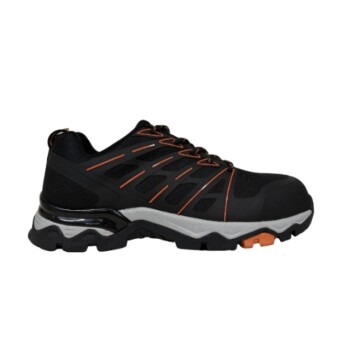
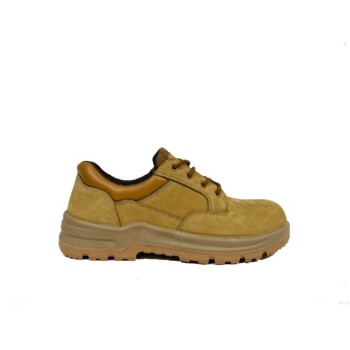
As a large-scale manufacturer serving global distributors and brand owners, 3515 understands that safety is the cornerstone of Corporate Social Responsibility. Our flagship Safety Shoes series is produced using advanced safety equipment to ensure the highest standards for your end-users.
We offer comprehensive production capabilities across all footwear types—from work and tactical boots to outdoor shoes, sneakers, and formal dress shoes. By choosing 3515, you leverage our high-standard manufacturing infrastructure to strengthen your supply chain reliability and brand integrity.
Ready to elevate your product line with a responsible manufacturing partner?
Contact Us Today to Discuss Your Bulk Requirements
References
- Jinan Shao, Yongyi Shou. Innovation as a Differentiation Strategy: Its Differential Substitution Effects on Corporate Social Responsibility. DOI: 10.1109/tem.2023.3260195
This article is also based on technical information from 3515 Knowledge Base .
Related Products
- Premium Suede Sport Safety Shoes for Wholesale & Bulk Orders
- Premium Lightweight Safety Shoes for Wholesale & Bulk Orders
- Wholesale Anti-Smash & Puncture-Proof Safety Shoes Custom Manufacturing for Brands
- Premium KPU Injection Athletic Style Safety Shoes
- Premium Safety Shoes with Rotating Buckle Safety Sneakers
People Also Ask
- What industries have specific OSHA footwear requirements? Ensure Compliance & Protect Your Workforce
- What are the primary functions of professional safety shoes? Maximize Safety in Water Supply Confined Spaces
- What role do specialized safety shoes play in preventing falls? Engineering Stability in Industrial Environments
- Why is barefoot walking used as a baseline in gait safety research? Unlocking Natural Biomechanics for Shoe Design
- Why should ergonomics and comfort be prioritized when selecting safety shoes? Boost Compliance & Worker Health