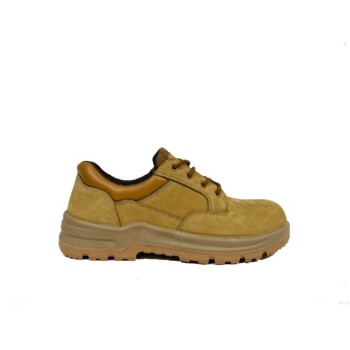
The clinical significance of a reinforced heel cup lies in its ability to mechanically stabilize the entire kinetic chain. By locking the heel into a precise anatomical position, these designs actively prevent excessive inward or outward rolling of the foot (over-pronation or supination). This stabilization at the foundation neutralizes the upward transmission of forces, directly preventing the misalignment of the knees, hips, and spine that leads to chronic structural issues.
Without proper heel stabilization, foot anomalies force the body to compensate mechanically, shifting alignment in the hips and back. A reinforced heel cup acts as the primary corrective mechanism to maintain kinetic alignment from the ground up, effectively eliminating the root cause of gait-induced spinal strain.
The Biomechanics of Alignment
To understand why a heel component affects the spine, one must view the body as a linked system.
Locking the Anatomy
The primary function of a reinforced cup is to lock the foot into a correct, neutral position.
Unlike softer heel counters, a reinforced design resists the foot's natural tendency to collapse or roll under load. This rigidity ensures the calcaneus (heel bone) remains vertical during the heel-strike phase of walking.
The Kinetic Chain Principle
The body operates as a connected unit known as the kinetic chain, comprising the feet, knees, hips, and spine.
When the heel is unstable, every joint above it must twist or shift to compensate. By stabilizing the first link in this chain (the foot), the reinforced cup enforces proper alignment sequentially up the leg and into the spinal column.
Clinical Interventions and Preventative Benefits
The structural support provided by these designs offers specific ergonomic interventions for spinal health.
Preventing Pelvic Tilt
Gait instability frequently forces the pelvis to tilt anteriorly or laterally to maintain the body's center of gravity.
Reinforced heel cups eliminate the erratic foot movement that necessitates this pelvic compensation. Keeping the pelvis neutral is critical for reducing strain on the lower back muscles and vertebrae.
Mitigating Lumbar Scoliosis Risks
Persistent asymmetry in walking mechanics can lead to curvature of the spine, known as lumbar scoliosis.
By preventing over-pronation or supination, the shoe ensures that both legs function symmetrically. This removes the foundational imbalance that can twist the lumbar spine over time.
Understanding the Trade-offs
While the clinical benefits are significant, reinforced designs introduce specific constraints that must be managed.
Reduced Flexibility
To provide necessary support, the heel cup must be rigid. This naturally reduces the flexibility of the rearfoot area, which some users may find restrictive compared to casual footwear.
Criticality of Fit
Because a reinforced cup does not mold to the foot as easily as soft leather, the initial fit must be precise.
An ill-fitting reinforced heel can lead to pressure points or blistering, as the shoe will not "give" to accommodate sizing errors.
Making the Right Choice for Your Goal
When selecting formal or administrative footwear, consider how the design supports your specific biomechanical needs.
- If your primary focus is preventing lower back pain: Prioritize shoes that explicitly claim to prevent pelvic tilt through kinetic chain alignment.
- If your primary focus is correcting gait abnormalities: Ensure the heel cup is rigid enough to physically stop over-pronation or supination during movement.
By securing the foot's foundation, you effectively protect the structural integrity of the entire spine.
Summary Table:
| Feature | Clinical Benefit | Impact on Spinal Health |
|---|---|---|
| Heel Locking | Prevents over-pronation & supination | Ensures neutral calcaneus alignment |
| Kinetic Chain Control | Stabilizes feet, knees, and hips | Reduces compensatory joint twisting |
| Pelvic Stabilization | Eliminates erratic foot movement | Prevents anterior/lateral pelvic tilt |
| Symmetry Promotion | Balances bilateral leg function | Mitigates risks of lumbar scoliosis |
Partner with 3515 for Precision-Engineered Footwear Solutions
As a leading large-scale manufacturer serving global distributors and brand owners, 3515 leverages advanced biomechanical engineering to deliver superior foot health outcomes. Our flagship Safety Shoes and comprehensive range of Dress & Formal shoes incorporate reinforced heel cup technology to provide your customers with maximum spinal protection and durability.
Whether you need tactical boots, outdoor shoes, or administrative footwear, 3515 offers the production capacity and technical expertise to meet your bulk requirements. Contact us today to enhance your product line with our clinical-grade designs.
References
- Martha Sri Astuti. ANALISIS PREVALENSI LOW BACK PAIN PADA PERAWAT DI DUNIA : LITERATURE REVIEW. DOI: 10.54040/jpk.v12i1.230
This article is also based on technical information from 3515 Knowledge Base .
Related Products
- Advanced KPU Athletic Safety Shoe with Steel Toe Cap Anti-Slip Rotary Lacing System
- Premium Safety Shoes with Rotating Buckle Safety Sneakers
- Premium Suede Sport Safety Shoes for Wholesale & Bulk Orders
- Premium Lightweight Safety Shoes for Wholesale & Bulk Orders
- Durable Steel Toe Safety Boots Wholesale & Custom Manufacturing
People Also Ask
- What are the key differences between steel toe and composite toe caps? Choose the Right Safety for Your Job
- What impact do steel toe caps have on toe skin health? Prevent Friction and Pressure in Your Safety Shoes
- What are the primary protective functions of safety shoes with steel toes in the automotive repair industry?
- What type of safety shoe is recommended for workers exposed to heavy machinery? Steel Toe Boots for Ultimate Protection
- How does defining specific friction interface models in FEA assist in predicting safety shoe toe cap failure modes?