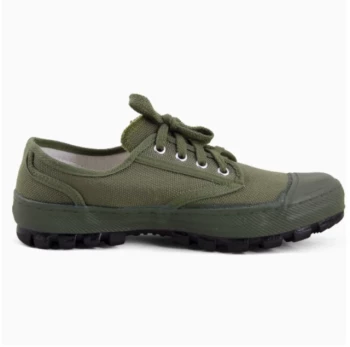
The technical profile of crepe rubber is defined by its natural origin and unique physical elasticity. As a natural latex material—often termed plantation rubber—crepe offers unparalleled softness and a "slipper-like" cushioned feel that synthetic materials struggle to replicate. However, its performance is highly contingent on environmental factors, as it lacks the chemical stability of vulcanized rubber and is prone to temperature-induced deformation.
While crepe rubber provides a premium, "bouncy" aesthetic and superior natural shock absorption, its porous nature and sensitivity to temperature make it a specialized choice that requires careful brand positioning regarding climate and usage.
Technical Advantages for Brand Differentiation
Superior Natural Cushioning and Elasticity
Crepe rubber is prized for its extreme softness and flexibility, providing immediate comfort out of the box. The material acts as a natural shock absorber, effectively alleviating foot fatigue during daily commuting or casual wear.
Eco-Friendly Heritage and Marketability
For brands targeting the "green" consumer, crepe is a biodegradable and sustainably sourced material. Derived from rubber trees without harvesting the timber, it supports a narrative of environmental responsibility and high-quality "plantation rubber" heritage.
High Traction in Dry Conditions
The unique, textured surface of crepe rubber provides a firm grip and excellent traction on dry, flat surfaces. This makes it an ideal choice for premium trainers and heritage boots where a distinctive, rugged look is desired.
Technical Limitations and Operational Challenges
Temperature Sensitivity and Deformation
Crepe is technically "unprocessed" compared to vulcanized rubber, making it highly sensitive to heat and cold. It can become dangerously rigid in freezing temperatures and may lose structural integrity or become sticky when exposed to hot asphalt.
Porosity and Environmental Absorption
The material’s porous texture acts like a sponge, attracting and embedding dirt, debris, and moisture. Once stained, crepe soles are notoriously difficult to clean, which can impact the long-term aesthetic value of the footwear for the end-user.
Lack of Structural Stability
While flexible, crepe lacks the arch support and lateral stability found in rigid synthetic outsoles. For performance-oriented or orthopedic footwear, this lack of support can lead to discomfort during extended periods of walking.
Understanding the Trade-offs in Large-Scale Production
Quality Variance vs. Consistency
Unlike injection-molded polyurethane, natural crepe can exhibit greater quality variance between batches. Working with an established manufacturer with deep heritage since 1951 is essential to ensure consistent density and performance across massive production volumes.
Weight and Wear Resistance
While some consider it lightweight, crepe is often heavier than modern synthetic alternatives like EVA. Furthermore, its abrasion resistance is lower than specialized industrial rubber, meaning it may wear down faster on abrasive urban surfaces.
Slip Resistance in Wet Conditions
A critical technical drawback is its performance in the rain; crepe can become slippery and absorbent when wet. This limits its utility for safety footwear or rain-specific boots, where vulcanized rubber outsoles remain the industry standard.
Making the Right Choice for Your Product Line
Strategic selection of sole materials depends on your brand's target demographic and the intended environment of the footwear. As a high-volume distributor or brand owner, consider the following technical alignments:
- If your primary focus is Premium Heritage or Casual Comfort: Utilize crepe rubber for its distinctive "bounce" and natural aesthetic, positioning the product for dry, temperate urban environments.
- If your primary focus is Performance or All-Weather Durability: Opt for vulcanized rubber outsoles, which offer superior slip resistance, thermal stability, and chemical protection for work and outdoor applications.
- If your primary focus is Sustainability and OEM Scalability: Leverage the eco-friendly profile of natural rubber while ensuring your supply chain partner provides the necessary international certifications and large-scale delivery stability.
By balancing the undeniable comfort of crepe with an awareness of its environmental limits, brands can build high-value collections that meet specific consumer needs without compromising on quality.
Summary Table:
| Feature | Advantages (Pros) | Disadvantages (Cons) |
|---|---|---|
| Comfort | Natural shock absorption & extreme softness | Lacks lateral stability and arch support |
| Environment | Sustainable, biodegradable natural latex | Highly sensitive to heat and freezing cold |
| Aesthetics | Unique "bouncy" look & premium heritage feel | Porous texture easily attracts dirt/stains |
| Performance | High traction on dry, flat surfaces | Becomes slippery and heavy when wet |
| Durability | Flexible for immediate break-in comfort | Lower abrasion resistance than vulcanized rubber |
Scale Your Footwear Production with a Trusted Manufacturing Partner
Choosing between natural crepe and high-performance vulcanized rubber is critical for your brand's success. 3515, a premier large-scale manufacturer since 1951, provides the technical expertise and massive production scale needed to bring your footwear vision to life.
As a strategic partner for distributors, brand owners, and B2B resellers, we offer:
- Comprehensive Capabilities: From our flagship Safety Shoes to tactical boots, outdoor gear, and formal dress shoes.
- Unmatched Stability: Robust supply chain and consistent large-volume delivery backed by state-of-the-art equipment.
- Premium OEM/ODM Support: Tailored solutions with international certifications to ensure global market compliance and high profit margins.
Ready to elevate your product line with superior manufacturing strength?
Contact 3515 Today for Bulk Inquiries & Custom Solutions
Related Products
- Durable Rubber Sole Outdoor Shoes Wholesale & Custom Manufacturing
- Durable Rubber-Soled Utility Shoes for Wholesale & Custom Brand Manufacturing
- Wholesale Durable Camouflage Canvas Shoes with High-Traction Cleated Rubber Sole
- Wholesale Durable Camo Canvas Shoes with High-Traction Rubber Soles
- Durable Canvas Work Shoes with Rubber Lug Sole | Wholesale Manufacturer
People Also Ask
- What is the function of the sole in outdoor shoes? Find the Perfect Grip and Support
- What role do outdoor shoes and sneakers play in navigating external terrains? Engineered Stability for Every Surface
- How is AI utilized in the design of outdoor and safety footwear? Harnessing Big Data for Market-Driven Shoe Innovation
- Why is durability important when selecting outdoor shoes? A Guide to Safety & Long-Term Value
- What are the key components of outdoor shoes that affect comfort and sturdiness? A Guide to Durable, High-Performance Footwear