
First and foremost, selecting the right women's wellies involves looking beyond color and style to prioritize their intended use. Key considerations include the boot's material, its height and fit around the calf, the level of insulation required for your climate, and the durability of the outsole for the terrain you'll be navigating.
The most critical factor in choosing wellies is aligning the boot's features with your primary activity. A boot designed for a muddy festival is fundamentally different from one built for daily farm work, and making the right choice hinges on this distinction.
Start with Your Primary Use Case
The context in which you'll wear your wellies should dictate every other decision. A boot's features must match the demands of the environment.
For Light Gardening and Casual Wear
For infrequent use in less demanding conditions, your focus can be on basic waterproofing and comfort. Ankle-height boots are often sufficient and easier to slip on and off.
Material quality is still important, but you may not need features like reinforced soles or heavy-duty insulation.
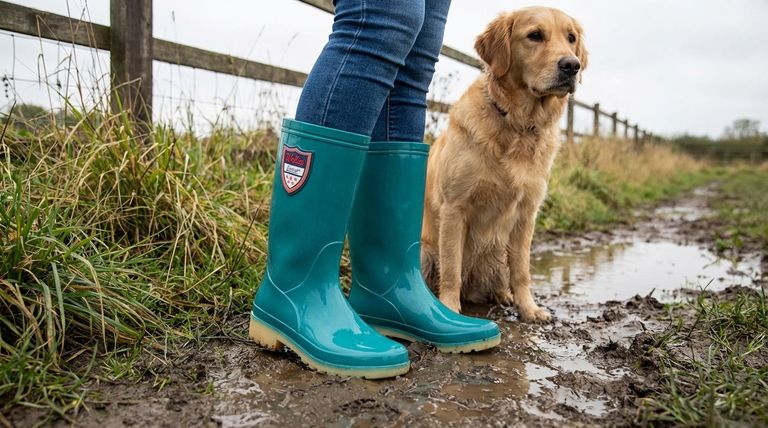
For Regular Dog Walks and Festivals
This usage level requires a significant step up in durability and comfort. Look for boots with a more rugged, slip-resistant outsole to handle varied and unpredictable terrain.
A comfortable footbed is essential for longer walks. Consider the boot's weight, as a lighter boot will reduce fatigue over several hours of wear.
For Demanding Outdoor or Agricultural Work
When wellies are a daily tool, technical performance is paramount. Prioritize durable construction and high-quality, natural rubber that resists cracking.
Features like a reinforced toe, a steel shank for arch support, and shock-absorbing technology become critical for safety and all-day comfort.
Deconstructing the Boot: Key Features to Scrutinize
Understanding the components of a welly empowers you to make an informed choice based on performance, not just appearance.
Material: Rubber vs. Leather
While most wellies are rubber, the quality varies significantly. Cheaper plastics can be stiff and prone to splitting. High-quality natural rubber offers superior flexibility and durability.
Leather wellies offer a classic look and exceptional durability but require more maintenance to retain their waterproof qualities.
Fit and Height
A proper fit is non-negotiable. You should have a little room between your toes and the end of the boot to accommodate thicker socks.
The calf fit is equally important. Ensure there is enough room to comfortably tuck in trousers or jeans if that is how you intend to wear them.
Full-length boots offer maximum protection from water and mud, while ankle boots provide greater flexibility and are often more stylish for casual use.
The Outsole and Traction
The outsole, or the bottom of the boot, determines your stability. For anything beyond a flat, paved surface, look for deep lugs and a design that provides reliable grip on wet and muddy ground.
Insulation and Liners
If you plan to wear your wellies in cold weather, insulation is crucial. Many boots come with built-in neoprene or fleece liners that provide warmth.
For year-round versatility, consider a non-insulated boot and purchase separate insulation liners or thermal socks to use when needed.
Avoiding Common Pitfalls
Many people are dissatisfied with their wellies because they overlook a few fundamental issues during the selection process.
The Trap of a Poor Fit
Buying ill-fitting wellies is the most common mistake. Boots that are too tight will be painful, while boots that are too loose will cause blisters and lack support. Always try boots on, preferably at the end of the day when your feet are slightly swollen.
Ignoring Material Quality
Opting for the cheapest option often leads to disappointment. Low-quality materials can crack, leak, and offer poor support, requiring a replacement much sooner than a well-made pair.
Overlooking Weather-Resistance Features
True functionality comes from features like sealed seams and waterproofing membranes. These ensure your feet stay dry and comfortable, while breathable fabrics help prevent irritation during prolonged wear.
Making the Right Choice for Your Goal
Your final decision should be a calculated balance between your primary need, key features, and budget.
- If your primary focus is fashion for casual use: You can prioritize style, color, and a shorter boot height, but don't compromise entirely on a comfortable fit.
- If your primary focus is all-day comfort for walking: Prioritize a supportive footbed, a slip-resistant outsole, and a lightweight-yet-durable construction.
- If your primary focus is maximum durability for work: Invest in high-quality natural rubber, reinforced components, and a fit that allows for heavy socks.
Ultimately, choosing the right wellies is about selecting the right tool for the job to keep you comfortable, safe, and dry.
Summary Table:
| Primary Use Case | Key Features to Prioritize |
|---|---|
| Light Gardening & Casual Wear | Basic waterproofing, ankle height, comfort |
| Dog Walks & Festivals | Slip-resistant outsole, comfortable footbed, lightweight |
| Outdoor/Agricultural Work | Natural rubber, reinforced toe, steel shank, shock absorption |
Need durable, high-performance wellies for your customers or brand? As a large-scale manufacturer, 3515 produces a comprehensive range of footwear for distributors, brand owners, and bulk clients. Our production capabilities encompass all types of women's wellies, from fashion-forward casual styles to heavy-duty work boots with features like reinforced soles and superior waterproofing. Let us help you source the perfect boot for your market. Contact our team today to discuss your production needs!
Visual Guide

Related Products
- Wholesale Women's Leather Derby Shoes Custom Factory Production
- Wholesale Classic Leather Lace-Up Ankle Boots for Brand Manufacturing
- Durable Waterproof Rain Boots | Custom Manufacturer for Wholesale & Brands
People Also Ask
- How do Derby shoes fit into business casual attire? Master the Perfect Balance of Professional Style
- What are the features and appropriate occasions for wearing derby shoes? A Guide to Versatile Style
- What is the main difference between Derby Shoes and Oxford Shoes? It's All in the Lacing.
- What historical figure is associated with the Derby shoe? The Earl of Derby's Comfort Revolution
- How do Derby shoes differ from Oxford shoes? A Guide to Formality, Fit & Style


