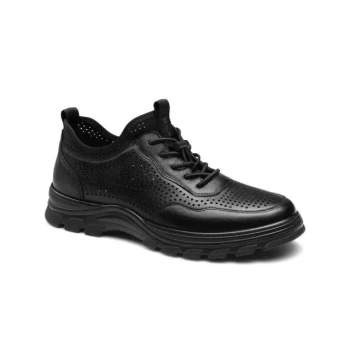
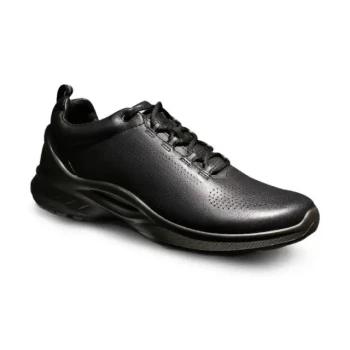
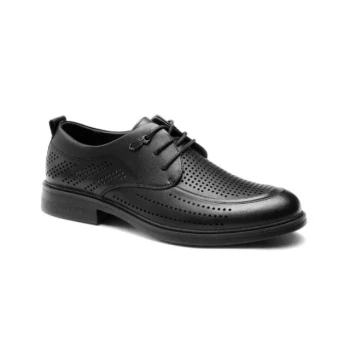
Optimized closure systems and reinforced heel structures are the primary design specifications that address balance challenges during the dressing process. By stabilizing the foot during the vulnerable single-leg support phase, these shoe categories minimize fall risks and provide the necessary structural integrity for users with reduced dynamic balance.
Effective footwear design for balance-compromised users centers on reducing the time spent in unstable positions. Industrial-grade manufacturing ensures that even high-fashion or high-performance shoes maintain the internal architecture required to support a user’s weight during the transition of putting them on.
Engineering Stability Across Shoe Categories
Training Shoes: Lateral Support and Rapid Entry
In training footwear, a wide outsole base provides a stable platform that prevents tipping while the user is standing on one foot to adjust the other.
High-volume production lines now integrate advanced heel counters and "slip-in" technologies that allow the foot to slide into the shoe without the need for excessive bending or force.
Our state-of-the-art equipment ensures these training models maintain a consistent tension in the upper material, preventing the shoe from collapsing under the heel during entry.
Outdoor Shoes: Torsion Control and Rugged Closure
Outdoor shoes address balance through high-tensile materials and midsole shanks that provide rigid torsion control, essential for users dressing on uneven surfaces.
Advanced closure systems, such as speed-lacing or heavy-duty hooks, allow for one-handed adjustments, reducing the duration of the "dressing window" where balance is most tested.
Premium OEM/ODM capabilities allow for the integration of these heavy-duty components without adding excessive weight, which could otherwise fatigue a user and lead to trips.
Dress Shoes: Internal Support in a Formal Frame
The challenge with dress shoes is maintaining a sleek profile while embedding the industrial-grade stiffeners necessary for stability.
Traditional dress shoe manufacturing often sacrifices support for aesthetics, but a heritage-driven approach (since 1951) utilizes internal molding that reinforces the medial and lateral arches.
By employing precision molding, dress shoes can offer a firm heel grip that acts as a lever, helping the user guide their foot into the shoe without losing their center of gravity.
Industrial-Grade Manufacturing for Enhanced Balance
Precision Molding and Consistent Heel Integrity
Reliable balance begins with the heel counter, the internal plastic or composite piece that provides the shoe's shape and rear-foot stability.
In massive production environments, maintaining the consistency of these counters is critical; a single millimeter of deviation can lead to a "soft" heel that fails to support a user during dressing.
Our robust supply chain ensures that the high-grade resins and composites used in these components are uniform across every batch, from the first pair to the millionth.
The Role of Advanced Closure Integration
Modern B2B footwear solutions prioritize "easy-access" closures like magnetic snaps or elasticized lacing systems that mimic the look of traditional fasteners.
These systems are engineered to withstand thousands of cycles, ensuring that the shoe remains easy to put on throughout its entire lifecycle.
For brand owners, this level of technical detail in the closure system is a key differentiator that adds significant value for the end consumer.
Understanding the Trade-offs
Weight vs. Structural Stability
The primary trade-off in balance-oriented design is the weight added by reinforcement materials like steel shanks or rigid heel cups.
While these components provide the "industrial-grade" stability required to prevent falls, they can increase the weight of the shoe, potentially impacting gait.
Finding the balance requires utilizing high-cost, lightweight composites—a capability typically reserved for manufacturers with extensive R&D backgrounds and state-of-the-art equipment.
Aesthetics vs. Ease of Entry
Designers often face the "medical look" pitfall, where high-stability shoes lose their commercial appeal.
The challenge for wholesalers and brand owners is sourcing footwear that hides its functional stability features within a contemporary silhouette.
Premium OEM services solve this by using internal reinforcements that are invisible to the eye but provide the necessary tactile support during the dressing process.
Strategic Selection for Your Distribution Channel
Making the Right Choice for Your Goal
- If your primary focus is High-Volume Retail: Prioritize training shoes with elasticized entry systems, as these offer the broadest appeal and satisfy the need for quick, stable dressing.
- If your primary focus is Premium Brand Positioning: Invest in dress shoes that feature hidden internal shanks and reinforced counters, blending 1951-era craftsmanship with modern stability.
- If your primary focus is Specialized Outdoor Markets: Select models with high-tension torsion control and "set-and-forget" lacing systems to ensure maximum safety in rugged environments.
By integrating these technical specifications into your product line, you provide a safer, more reliable product that addresses the fundamental need for stability in every step of the user's day.
Summary Table:
| Shoe Category | Key Design Specification | Balance & Stability Benefit |
|---|---|---|
| Training Shoes | Wide outsoles & heel counters | Provides a stable platform; prevents tipping during single-leg entry. |
| Outdoor Shoes | Midsole shanks & speed-lacing | Rigid torsion control for uneven surfaces; reduces dressing time. |
| Dress Shoes | Internal molding & arch support | Maintains a sleek profile while offering firm heel grip and leverage. |
| All Categories | Precision-molded heel counters | Ensures structural integrity to support user weight during transitions. |
Partner with a Heritage Manufacturer for Your Bulk Footwear Needs
As a large-scale manufacturer serving distributors and brand owners since 1951, 3515 offers comprehensive production capabilities across all footwear types. Our flagship Safety Shoes series sets the standard for industrial-grade stability, a quality we integrate into our entire portfolio—including work and tactical boots, outdoor shoes, training shoes, sneakers, and formal dress shoes.
For distributors and B2B resellers, we provide:
- Massive Production Scale: Robust supply chain stability for consistent, large-volume delivery.
- Premium OEM/ODM Capabilities: Tailored designs that balance aesthetics with functional stability.
- International Certifications: State-of-the-art equipment ensuring every pair meets global safety and quality standards.
Enhance your product line with footwear engineered for safety and performance. Contact us today to discuss your requirements!
References
- Roslyn Aclan, Kate Laver. Common home hazards among healthy older aged adults and potential modifications required for age‐friendly housing. DOI: 10.1111/1440-1630.12918
This article is also based on technical information from 3515 Knowledge Base .
Related Products
- Wholesale Durable Camouflage Canvas Shoes with High-Traction Cleated Rubber Sole
- Wholesale Breathable Perforated Leather Derby Shoes with Modern Comfort Sole
- Wholesale Modern Perforated Leather Derby Shoes with Chunky Sole for Custom Branding
- Wholesale Breathable Training Shoes Custom Athletic Footwear Manufacturer
- Wholesale Modern Comfort Shoes with Dial Closure for Private Label & Bulk Orders
People Also Ask
- Why is the selection of high-strength fabric materials necessary in the production of canvas shoes and training shoes?
- What are the properties of canvas as a shoe material? A Guide to Lightweight Comfort & Style
- Can canvas shoes be worn in rainy conditions? The Truth About Water Resistance
- What are some examples of vulcanized shoes? Discover the Flexibility and Board Feel of Classic Sneakers
- What are the characteristics of canvas as a shoe material? A Guide to Lightweight, Breathable Footwear