Social media platforms have fundamentally shifted the fashion purchasing process by evolving from simple communication tools into the central engines of social commerce. By integrating influence, discovery, and transaction into a single interface, these platforms significantly shorten the distance between finding a product and buying it.
Social media compresses the traditional consumer journey by leveraging Key Opinion Leaders (KOLs) and digital marketing tools to drive both planned and impulsive purchasing decisions.
The Compression of the Consumer Journey
Accelerating From Discovery to Conversion
In the traditional retail model, product discovery and the final purchase were often separated by time and location.
Social media platforms have collapsed this timeline. They act as "core engines" where the initial spark of interest can lead immediately to a transaction, removing friction from the process.
The Role of Key Opinion Leaders (KOLs)
Fashion brands now rely heavily on the influence of Key Opinion Leaders.
These influencers act as trusted intermediaries, curating trends and validating products for their followers. Their endorsement serves as a powerful accelerator, moving consumers quickly from awareness to consideration.
Validating Through User Reviews
Beyond professional influencers, the ecosystem thrives on user-generated content.
Real-time reviews and feedback from other users provide the social proof necessary to build confidence. This transparency helps mitigate the hesitation often associated with buying fashion items online.
Mechanisms of Digital Influence
Targeted Digital Marketing
The transformation of the purchasing process is underpinned by sophisticated digital marketing tools.
Brands utilize these tools to deliver highly targeted advertising based on user behavior and preferences. This ensures that products are presented to the specific consumers most likely to buy them.
Driving Impulsive and Planned Behavior
The immersive nature of social media interactions caters to two distinct types of shopping behaviors.
For the planned shopper, platforms provide deep information and validation to confirm their choice. Conversely, the visual immediacy of the platform effectively triggers impulsive purchasing, capitalizing on the user's immediate emotional response to visual content.
Understanding the Trade-offs
The Impulse Buy vs. Long-Term Value
While shortening the consumer journey increases sales volume, it heavily incentivizes impulsive behavior.
Rapid conversions driven by immersive visuals can sometimes lead to purchase regret if the decision was based on hype rather than need. Consumers must differentiate between genuine product value and the excitement generated by a KOL's endorsement.
Saturation of Influence
As platforms become crowded with sponsored content, the distinction between organic recommendation and paid promotion blurs.
An over-reliance on aggressive digital marketing tools can lead to consumer fatigue. When every interaction feels like a sales pitch, the authenticity that originally gave social media its power can be compromised.
Making the Right Choice for Your Goals
Whether you are a consumer navigating these platforms or a brand strategist, understanding these dynamics is essential.
- If your primary focus is rapid market penetration: Leverage Key Opinion Leaders (KOLs) to instantly validate your product and shorten the discovery phase.
- If your primary focus is building long-term trust: Encourage and showcase authentic user-generated reviews to balance the polish of targeted advertising.
- If your primary focus is managing spending behavior: Recognize the platform's design to trigger impulse buys and intentionally slow down your own checkout process.
The power of social media in fashion lies in its ability to turn a moment of inspiration into an immediate commercial reality.
Summary Table:
| Aspect of Purchasing | Social Media's Transformation |
|---|---|
| Consumer Journey | Compressed; immediate discovery to transaction |
| Product Discovery | Faster via KOLs & targeted ads; often impulsive |
| Influence & Trust | Driven by KOLs & user-generated content (reviews) |
| Marketing Strategy | Highly targeted; personalized ads based on behavior |
| Shopping Behavior | Accelerates both planned validation & impulsive buys |
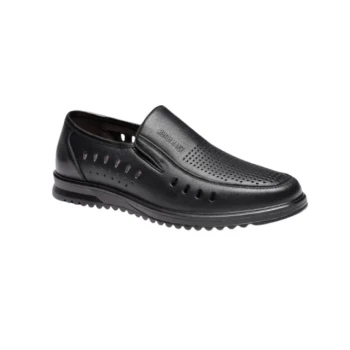
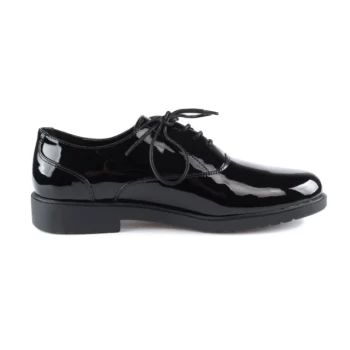
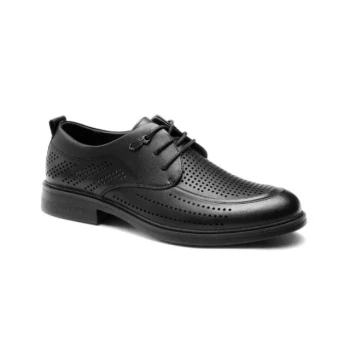
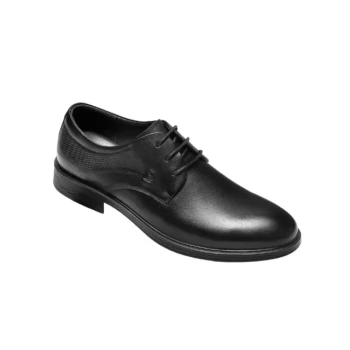
Are you a distributor or brand owner looking to meet diverse bulk footwear requirements? As a large-scale manufacturer, 3515 offers comprehensive production capabilities for all footwear types, anchored by our flagship Safety Shoes series. Our extensive portfolio covers work and tactical boots, outdoor shoes, training shoes, and sneakers, as well as Dress & Formal shoes. Partner with 3515 to ensure reliable production and exceptional quality for your brand. Contact us today to discuss your manufacturing needs and elevate your product line! Get a custom quote now
References
- Suzana Demyen. The Online Shopping Experience During the Pandemic and After—A Turning Point for Sustainable Fashion Business Management?. DOI: 10.3390/jtaer19040176
This article is also based on technical information from 3515 Knowledge Base .
Related Products
- Wholesale Modern Perforated Leather Derby Shoes with Chunky Sole for Custom Branding
- Wholesale Breathable Perforated Leather Derby Dress Shoes for Custom Brands
- Wholesale Durable Camouflage Canvas Shoes with High-Traction Cleated Rubber Sole
- Wholesale Comfort Dress Shoes with Dial Closure for Custom Manufacturing
- Wholesale Perforated Comfort Dress Shoes | Custom Derby Shoe Manufacturer
People Also Ask
- What historical figure is associated with the Derby shoe? The Earl of Derby's Comfort Revolution
- How do Derby shoes fit into business casual attire? Master the Perfect Balance of Professional Style
- What is the main difference between Derby Shoes and Oxford Shoes? It's All in the Lacing.
- What are the features and appropriate occasions for wearing derby shoes? A Guide to Versatile Style
- What are Derbies and how do they differ from Oxfords? A Guide to Lacing and Formality