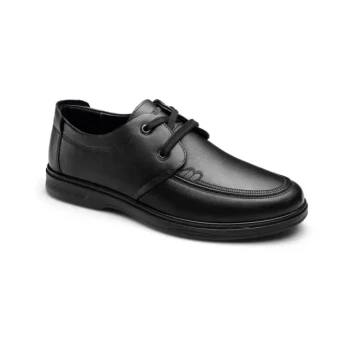
High-precision Digital Cutting Systems drive the green transformation of footwear manufacturing by fundamentally changing how raw materials are utilized. Through the integration of optimized layout algorithms, these systems calculate the most efficient cutting paths for leather and synthetic materials, significantly outperforming traditional manual or die-press methods in minimizing scrap.
The core value of these systems lies in their ability to treat material waste as a preventible calculation error rather than an inevitable byproduct. by maximizing yield per square foot, they serve as the critical hardware foundation for achieving industry zero-waste goals.
The Mechanics of Material Optimization
Algorithmic Layout Planning
The primary driver of waste reduction in these systems is software-driven nesting. Unlike human operators, who rely on estimation, digital systems use algorithms to arrange pattern pieces in the tightest possible configuration.
This process ensures that the maximum amount of usable surface area is captured from every hide or sheet.
Precision Path Execution
Once the layout is established, the system executes the cut with micron-level accuracy. This precision eliminates the need for large "safety margins" often required in manual cutting to account for human error.
By tightening the spacing between parts, manufacturers can extract more product from the same amount of raw material.
Reducing Waste at the Source
Traditional manufacturing often addresses waste after it is created. Digital cutting shifts the focus to source reduction.
By preventing unnecessary scrap generation at the very beginning of the production line, these systems reduce the total volume of material that must be recycled or sent to landfills.
Understanding the Trade-offs
Initial Capital Investment
While the material savings are significant, high-precision digital cutters represent a substantial upfront cost compared to traditional die presses.
Manufacturers must calculate the Return on Investment (ROI) based on long-term material savings rather than immediate operational costs.
Integration Requirements
Adopting these systems requires a shift in workflow. It demands high-quality digital assets (CAD files) and operators skilled in managing software, rather than just mechanical operation.
Without a fully digitized design process, the efficiency gains of the hardware cannot be fully realized.
Making the Right Choice for Your Goal
To determine if high-precision digital cutting aligns with your sustainability targets, consider your specific operational needs:
- If your primary focus is Raw Material Cost Reduction: Focus on the system's nesting algorithm capabilities, as this directly dictates yield improvements over manual cutting.
- If your primary focus is Corporate Sustainability Certification: Leverage the system's data tracking to provide verifiable metrics on scrap reduction for environmental reporting.
Digital cutting is not just a tool for speed; it is the architectural shift required to move from high-waste heritage methods to a precision-based, sustainable future.
Summary Table:
| Key Feature | Green Impact Contribution | Primary Benefit |
|---|---|---|
| Algorithmic Nesting | Maximizes material yield per square foot | Significant scrap reduction |
| Micron-level Accuracy | Eliminates large safety margins & errors | Precision path execution |
| Source Reduction | Prevents waste before it is created | Lower landfill & recycling costs |
| Data Tracking | Provides verifiable sustainability metrics | Easier ESG & Green certification |
Partner with 3515 for Sustainable Footwear Manufacturing
As a large-scale manufacturer serving global distributors and brand owners, 3515 leverages high-precision digital cutting technology to deliver superior material efficiency across our entire product range. Whether you require our flagship Safety Shoes series, tactical boots, outdoor sneakers, or formal dress shoes, our comprehensive production capabilities ensure we meet your bulk requirements with minimal environmental impact.
Ready to enhance your product line with sustainable, precision-made footwear? Contact us today to discuss your manufacturing needs and discover how our expertise adds value to your brand.
References
- Kamil AHAT. Geleneksel Ayakkabı Endüstrisi için Yeşil ve Dijital Dönüşüm Yetkinliklerinin Tespiti: Mesleki Yeterlik Kurumu (MYK) Meslek Tanımlarına Yönelik İçerik Analizi. DOI: 10.52096/usbd.8.33.41
This article is also based on technical information from 3515 Knowledge Base .
Related Products
- Wholesale Modern Business Shoes with Dial Closure System for Bulk Orders
- Dial Closure Leather Business Casual Shoes for Wholesale & Private Label
- Wholesale Smart Casual Sneakers with Dial Closure | Factory Direct Manufacturing
- Wholesale Comfort Dress Shoes with Dial Closure for Custom Manufacturing
- Wholesale Training Shoes with Dial Lacing System Custom OEM Manufacturing
People Also Ask
- What kind of shoes do businessmen wear? Master the Dress Code for Professional Success
- What are the essential business shoes every man should own? Build a Professional Wardrobe Foundation
- What are the key considerations when choosing professional business shoes? Elevate Your Professional Image
- How does wearing the right shoes benefit overall health? Protect Your Joints, Posture, and Mobility
- Why do quality shoes boost confidence? Unleash Your Potential with the Right Footwear