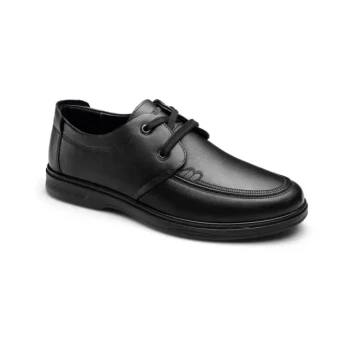
The production process of Slow Fashion differs fundamentally from the Fast Fashion model by prioritizing longevity and ethics over speed and volume. While Fast Fashion operates on high-frequency production cycles to capture fleeting trends, Slow Fashion utilizes a low-output model focused on material durability, high craftsmanship, and long-term design utility.
The core distinction lies in the objective: Fast Fashion is designed for rapid turnover and consumption, whereas Slow Fashion adheres to circular economy principles to extend product lifespans and minimize resource depletion.
The Philosophy of Output and Design
Moving from High-Frequency to Low-Output
Fast Fashion relies on high-frequency production cycles to flood the market with new styles.
In contrast, Slow Fashion deliberately limits output. This reduction in volume allows for stricter quality control and a focus on the intrinsic value of each individual product.
Design for Long-Term Utility
The design phase in Slow Fashion is not driven by the current week's micro-trends.
Instead, the process prioritizes long-term design utility. The goal is to create footwear that remains functional and aesthetically relevant for years, rather than weeks.
Material and Manufacturing Standards
Prioritizing Durability
A critical component of the Slow Fashion process is the selection of materials.
Manufacturers focus on material durability to ensure the footwear can withstand extended use. This directly opposes the planned obsolescence often found in mass-market alternatives.
Ethical Manufacturing
The production process is inextricably linked to ethical manufacturing standards.
This ensures that the creation of the footwear respects both the labor force and the environment. It shifts the focus from cutting costs to preserving human and ecological capital.
Reducing Waste and Resources
By increasing the craftsmanship value of the product, Slow Fashion extends its usable lifespan.
This approach aligns with circular economy principles, significantly reducing resource consumption and waste generation compared to the disposable nature of Fast Fashion.
Understanding the Trade-offs
The Cost of Craftsmanship
Because Slow Fashion prioritizes high quality and ethical standards, the production costs are inherently higher.
This often results in a higher retail price point compared to Fast Fashion goods. It requires viewing the purchase as a long-term investment rather than a disposable commodity.
Speed to Market
The focus on "low output" and careful design means this model cannot react instantly to viral trends.
If immediate access to the latest fad is required, the Slow Fashion production cycle is generally too deliberate to compete with the speed of Fast Fashion supply chains.
Making the Right Choice for Your Goal
When evaluating footwear sourcing or purchasing strategies, consider your primary objectives:
- If your primary focus is Sustainability: Prioritize Slow Fashion for its alignment with circular economy principles and reduced waste generation.
- If your primary focus is Product Longevity: Choose Slow Fashion for its emphasis on material durability and high craftsmanship value.
- If your primary focus is Trend Responsiveness: Recognize that Fast Fashion offers speed, but at the cost of higher resource consumption and lower quality.
By choosing the Slow Fashion model, you are opting for a production system that values the future of the product as much as its present appeal.
Summary Table:
| Feature | Fast Fashion Model | Slow Fashion Model |
|---|---|---|
| Production Speed | High-frequency/Rapid cycles | Deliberate/Low-output |
| Design Focus | Fleeting micro-trends | Long-term utility & aesthetics |
| Material Quality | Low-cost/Disposable | High durability & longevity |
| Ethical Standards | Cost-driven optimization | Human & ecological capital focus |
| Environmental Impact | High waste & resource use | Circular economy & waste reduction |
| Product Lifespan | Short-term/Obsolescence | Multi-year investment |
Partner with 3515 for High-Quality, Ethical Footwear Manufacturing
As a large-scale manufacturer serving distributors and brand owners, 3515 offers comprehensive production capabilities for all footwear types, anchored by our flagship Safety Shoes series. Our extensive portfolio covers work and tactical boots, outdoor shoes, training shoes, and sneakers, as well as Dress & Formal shoes to meet diverse bulk requirements.
Whether you are looking to source durable, long-lasting products that align with Slow Fashion principles or require robust technical performance for industrial use, we bring the craftsmanship and ethical manufacturing standards your brand deserves.
Ready to elevate your product line with a trusted manufacturing partner?
Contact Us Today to Discuss Your Bulk Requirements
References
- Slađana Starčević, Ana Vjetrov. Barriers to sustainable development in the fashion industry: Supply chain complexity and consumers' attitude-behavior gap. DOI: 10.5937/skolbiz1-35074
This article is also based on technical information from 3515 Knowledge Base .
Related Products
- Wholesale Mesh Steel Toe Safety Shoes with Dial Closure Factory Production
- Wholesale Breathable & Cushioned Training Shoes Custom Factory Production
- Wholesale Leather Apron Toe Derby Shoes Custom Factory Production
- Lightweight Breathable Training Shoes for Wholesale & Custom OEM Manufacturing
- Wholesale Lightweight Cushioned Athletic Sneakers for Custom Bulk Production
People Also Ask
- What type of safety shoe is recommended for workers exposed to heavy machinery? Steel Toe Boots for Ultimate Protection
- Why is it mandatory to wear safety shoes with steel toe protection during metal loading? Prevent Crushing Injuries
- What are the main materials used in steel toe safety shoes? A Guide to Protective Footwear Construction
- Why are steel toes popular in safety footwear? The Ultimate Guide to Heavy-Duty Protection
- What are the recommended uses for steel toe safety shoes? Essential Protection for High-Risk Industries